

SnapShot Press Release | Uniting Each Voice [Milwaukee Film Festival 2026]
/
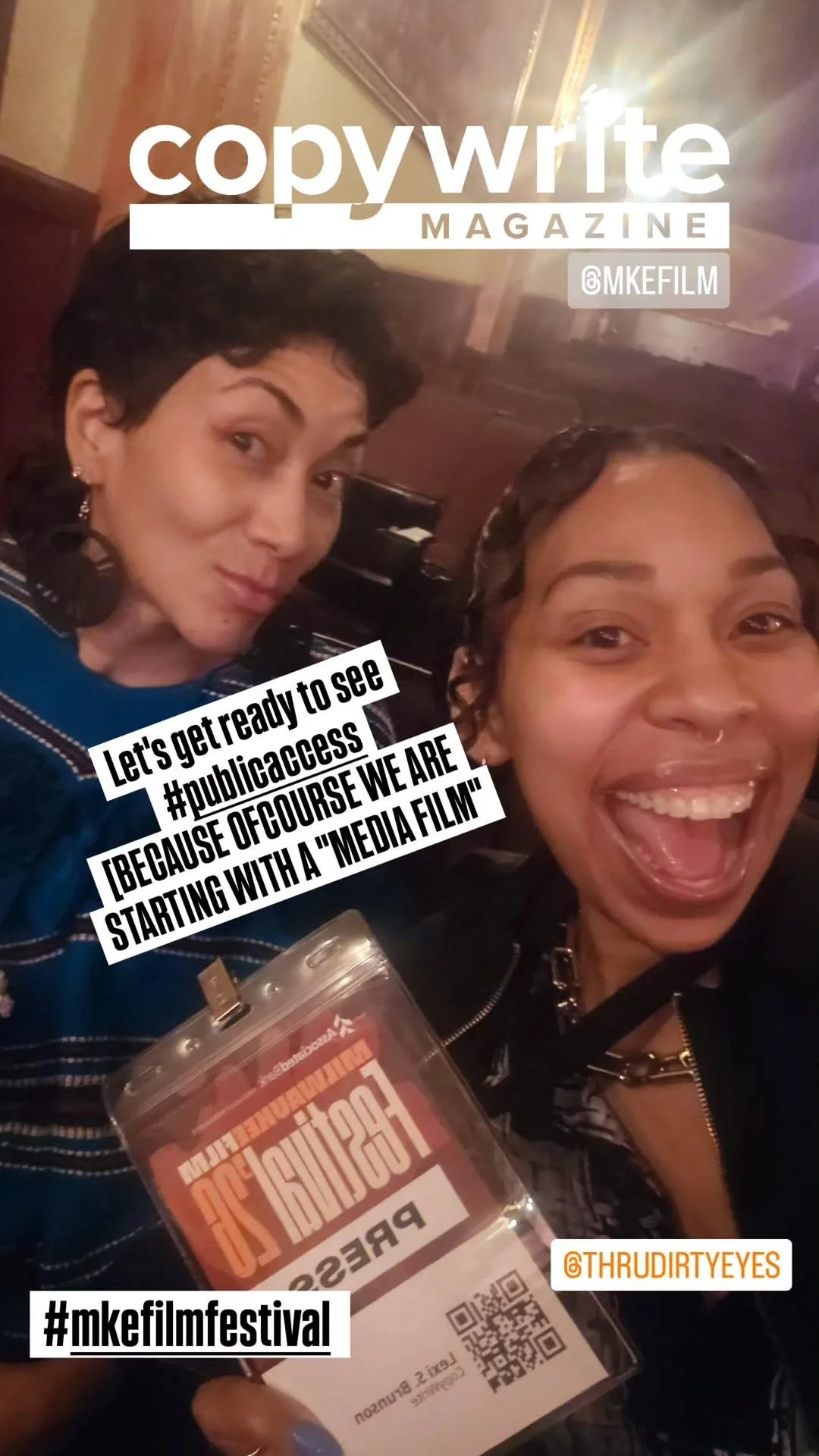
Tucked into a 22” x 20” [I’m guesstimating] movie seat, beneath the dimmed lights and flickers of projection, you can find me insainly jotting down illegible notes in the hope of remembering everything. As a press pass–holding journalist, I arrived with deadlines hissing in the back of my mind, personal burdens buzzing through my phone [DND me please], and a strong need to find reciprocity for me and the screen. But somewhere between the marquee’s glow and the 10 boxes of teeth sticking candy [I may or may not be over exaggerating], those concerns loosened their grip. What remained was a rare permission to sit still, to look closely, and to let the stories, the art, the whatever, reflect something truer than the noise I’d left outside.
Milwaukee Film Festival’s 2026 coverage from CopyWrite is a collection of reflections from the periphery. The type that tends to form and linger, offering nuanced perspectives that trace the emotional residue films leave behind. What follows leans into the quiet joys of simply existing alongside these films: noticing, wondering, and occasionally delighting in the unexpected. There’s room here for curiosity and a touch of whimsy, but it’s the kind that feels earned rather than ornamental [because once you're exposed to real, you are supposed to hate lame]. What impressions are left after the credits roll? What can we sit with, why does it matter, and who said so? From panels, parties, to the big screen, unity was at the forefront for both the audience and filmmakers. We recognize that uniting voices would be the unspoken theme waiting to be discovered.
With coverage from Lexi S. Brunson [Owner/Editor-in-Chief], and Desriana Gilbert [Entertainment & Social Journalist for /CW].
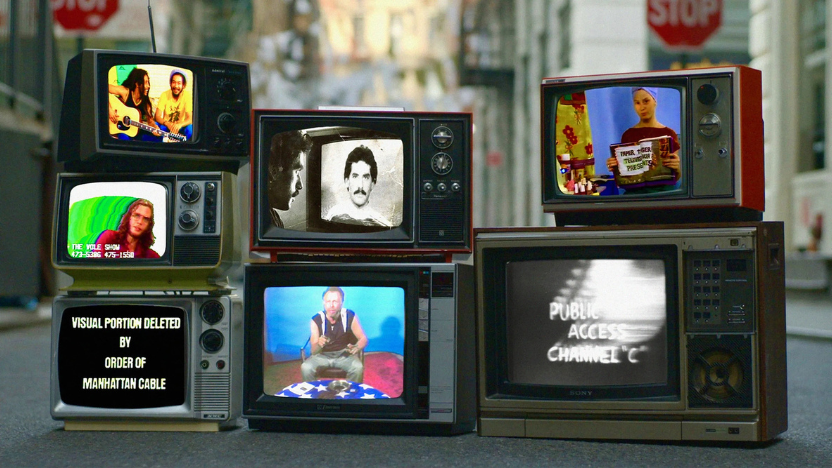
PUBLIC ACCESS [Director: David Shadrack Smith]
I live for a good media archive & by all measures of the sentiment, PUBLIC ACCESS is the holy grail. Originating in New Your City [go figure] in the 1970’s, Public access TV, was a non-commercial, community-produced cable television designed for public expression.
& it was WILD!
This film shows us all the complexity that comes with the rise of new mediated platforms, the pros, cons, and WTF of it all. It’s a timely dialogue of access and agency, the same contemporary battle that exists in what we now consider social media…but was this not the first of its form?
The platform itself had no programming standard, which meant you could do what you wanted. So what do people do with free will? They will it, LOL. There is a quasi-understanding of what is meant for public consumption, especially considering that we all have different thresholds of acceptability. Where some public access originators thought that “presenting alternative culture could be a strength”, alternative culture was & is not one note. Where it lives on the spectrum digs into intimacy versus spectacle. The film shows us that dichotomy in depth.
Director David Shadrack Smith, shows us archival footage of cultural legends as they participate in the space of pubic acess TV, including members of the band Blondie [Debbie Harry & Chris Stein], Musician & Activist Bob Marley [on Rockers TV, the first reggae music television series], and Artist Jean-Michel Basquiat [who was shown using the typed character generator] as a frequent guest & crew member of a public access show TV Party. Having the footage of these icons being very much off script seems like a win for a cultural critic like myself.
However, that wasn't the only thing off script being shown. For example, The Grube Tube, hosted by Steve Gruberg, was literally him sitting at a desk with a phone [phone number floated across the screen, and he would request people call in to talk about anything & everything. . .LIVE! Just imagine the real-time sense of discernment [Ha! There wasn't any]. Or the number of times someone was called a cunt [every episode from what was shown in the film]. Or why the hell were random people calling in to talk to a belligerent stranger? [Well, that happens all the time on podcast & talk radio. . . Y'all be bored & like people in your business]. For a $25 an hour studio rental, you could be on TV and do what you want and nobody was stopping you.
On the other end of this, there was footage that was recorded and sent in. With the invention of the Portapak video camera, you could capture anything from anywhere. So here we have footage of Nadya pushing a baby out of her vagina up close and personal, [and depending on who you are], a more or less visceral scene filmed by artist Anton Perich with the hemorrhoid screw concept of sticking a lightbulb up the TV repairman's butt, where a need for censorship was called into question. This is followed by a growth in pornographic content on Public Access, including content that grasps the intersectionality of identity, like Emerald City [the first Gay television show].
Beyond the titillating erotica [that's a first for me at the fest!], this mediated experience really captured the contemporary origin story of content creation. Where we champion YouTube & MySpace for their contributions to user-based content, this archive shows that the true relic of DIY media is Public Access. As we still live in a society that challenges who can take up space, what is worthy of public consumption, and what is “doing to much” versus human expression, we should be mindful of who broke the mold.
So for the Art, the Sex, the Nerdy, and the Niche . . . SHOULD IT BE PUBLIC?
Lexi for /CW
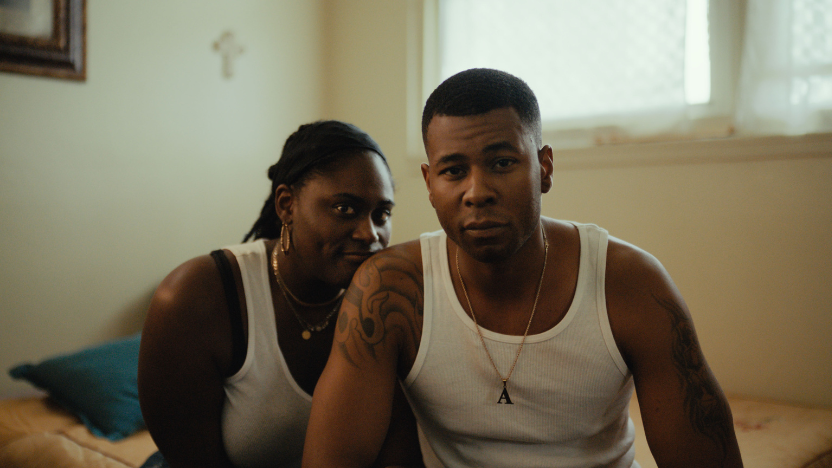
IF I GO WILL THEY MISS ME [Director: Walter Thompson-Hernandez]
Greek mythology goes beyond the surface of sculptures in high-end art galleries and historical museums. There are several similarities between African-American families and Greek mythology, including family dynamics and personal struggles. If I Go Will They Miss Me is an authentic and eye-opening embodiment that displays those similarities to a T.
Now, I know hundreds of daddy’s girls; I’ll be the first to admit that was my first title in life. Each scene caused a different type of tear to fall, but as I looked to my left and right while in the audience, I knew this tear-jerker was intentional and uncensored. You know the saying, “It doesn’t hit the same”? That’s the feeling Lil Ant felt after witnessing a young boy admiring his father as a god in the media, which was taboo.
Twelve-year-old Lil Ant viewed his father as a Greek god, Poseidon, a larger-than-life human being who was stronger, smarter, and more beloved than anyone else. Despite his knowledge of his father’s struggles with incarceration and instability, Lil Ant only replayed the pleasant memories and used those as ammunition to accomplish change, which was praised and acknowledged by everyone but his father. He felt invisible, like nothing he did ever pleased his Poseidon. Not only was this strain confusing to him, but also to the matriarch, Lozita. Out of each of her children, Lil Ant was the one who believed his father could do no wrong and tried with all his power to be exactly like him—solidifying the only image he knew his father to be: his hero.
The excitement and admiration he felt after learning that Big Ant was returning home could not be contained. Unfortunately, Lil Ant and I, sitting in the audience, did not expect the strain and disappointment that soon followed after his hero’s release.
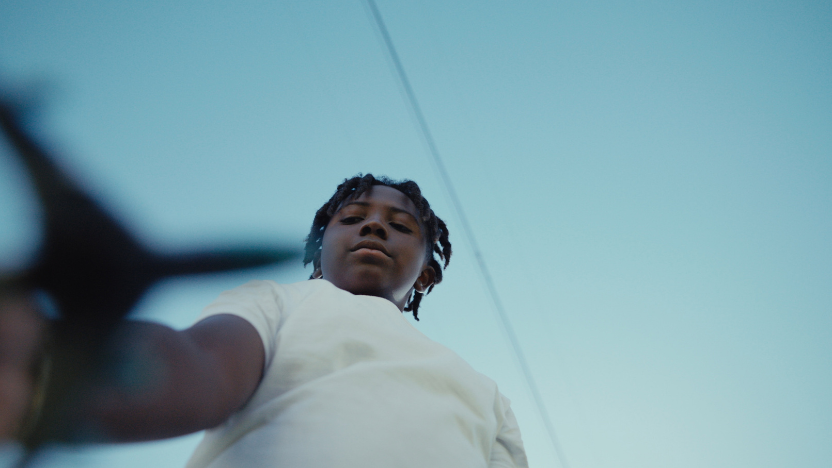
Violent person, he was not.
He attempted suicide after feeling the disconnect between him and his father and feeling unseen. It didn’t matter how many profound drawings he created of Big Ant or how many fights he won in school; the validation Lil Ant sought from his father was never fulfilled.
The main mystery behind this cinematic masterpiece is why this father-son relationship plummeted when it was once angelic. I could not help but want to jump into the screen and stand up for Lil Ant. Director Water Thompson-Hernandez must’ve had the gift of mind-reading when creating the film because it seemed like just as I was about to lose my marbles over why this admired father was not reciprocating loving energy to his seed, the flashbacks began rolling in. As the audience witnessed Big Ant’s upbringing and the mistakes that laid the foundation for the trajectory of his adult life, his actions after being released from prison became crystal clear.
After a traumatic experience in his teenhood, Big Ant always felt different, but nobody ever noticed. Being labeled as the “tough guy” and “untouchable” is a hard opening to any discussion about feeling out of place or having unique experiences, especially in Los Angeles. He treated his son differently once he was released from prison so that Lil Ant would stop paying attention to every detail about his dad. Big Ant was afraid that if his son looked too hard, he would learn just how different he really was, along with both his past and present mistakes. Fatherhood instilled fear inside of him because it was brand new; for most of Lil Ant’s childhood, he was not physically there to learn how to be an active father.
With deep reflection, Big Ant discovered a love for aircraft, and Lil Ant’s artistry would draw the two closer together, but this didn’t solve the exhaustion his wifey, Lozita, faced while feeling alone in their relationship and as if she were the only parent pouring into her children both internally and externally. Yes, we all became crybabies throughout the entire duration of the screening, but I quickly realized there were several different pain points each of us identified with.
[THIS WAS A MIRROR WE WERE NOT READY TO HOLD UP].
While, for some, the simple fact that they are empaths and feel everything around them hit home, for others, it was the familiarity of family not seeing or valuing you the way you value them. And for some, it was clinging to the question of what life would be like for people if they left this world on their own terms. Although the pictorial buffet concluded with Big Ant losing everyone who means the world to him after they moved out of their family home, an unbreakable bond is restored between a son who always wanted nothing more than to feel seen and valued by the father he graciously admired.
Desriana for /CW
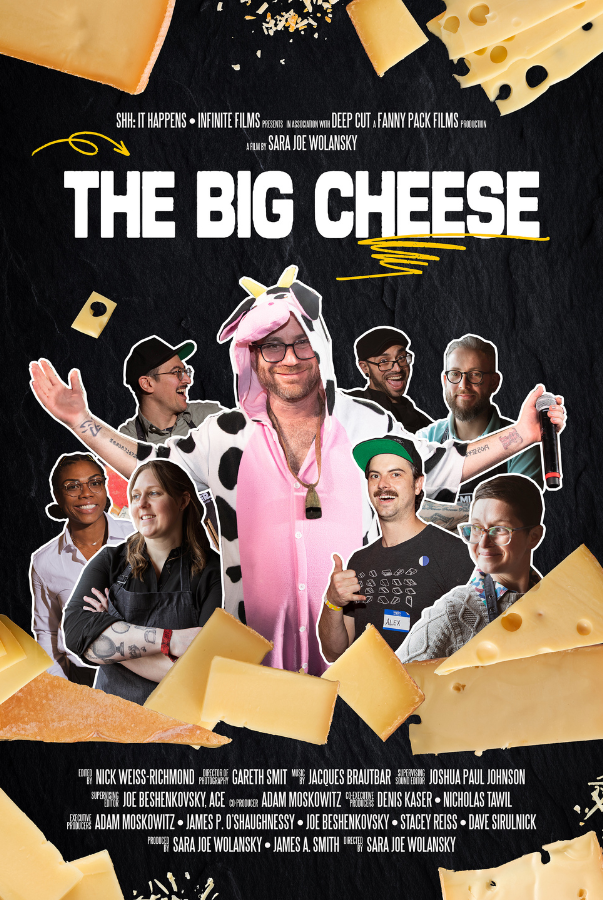
THE BIG CHEESE [Director: Sara Joe Wolansky]
The F*ck is a Cheesemonger?!?
For those of you who don’t know [like I didn’t], a cheesemonger is a highly trained curator of dairy-based joy; part food expert, part matchmaker, part flavor hustler. They know which cheese will change your life, which one pairs with wine, and which one smells like it’s been sitting too long next to a dumpster but somehow tastes amazing. Think of them as the sommeliers of cheese who age it, study it, slice it, sell it, and gently judge you when you ask for the basic cheddar from the grocery store.
As a Wisconsinite [The Cheese State Baaaabbbbyyy!], I am thoroughly ashamed of myself for not knowing that there was this wonderfully outlandish subculture/career that is obsessed with cheese in all the right ways. I mean, from the competitions, to the study sessions [sniffing, tasting, analysing origins], and designing out those lavish cheese “plate” presentations. . . I mean the commitment is top-tier. Director Sara Joe Wolansky increased our cheese culture lexicon by taking us on a journey of redemption where our main character, Adam Moskowittook [Mr. Moo himself] prepares a group of American Cheesemongers to win the Mondial du Fromage competition in France. As the world-class cheese “gurus” question what an American could even know about cheese [because we globally lack cultural expertise, hahah, but our collective egos tend to minimize that perspective], here is a man willing to propel his peers into the ooey gooey of it all to claim that honor and prestige.
Side note: Did you know that the Wisconsin dairy industry contributes $52.8 billion annually to the state's economy? That’s a lot of cheese!
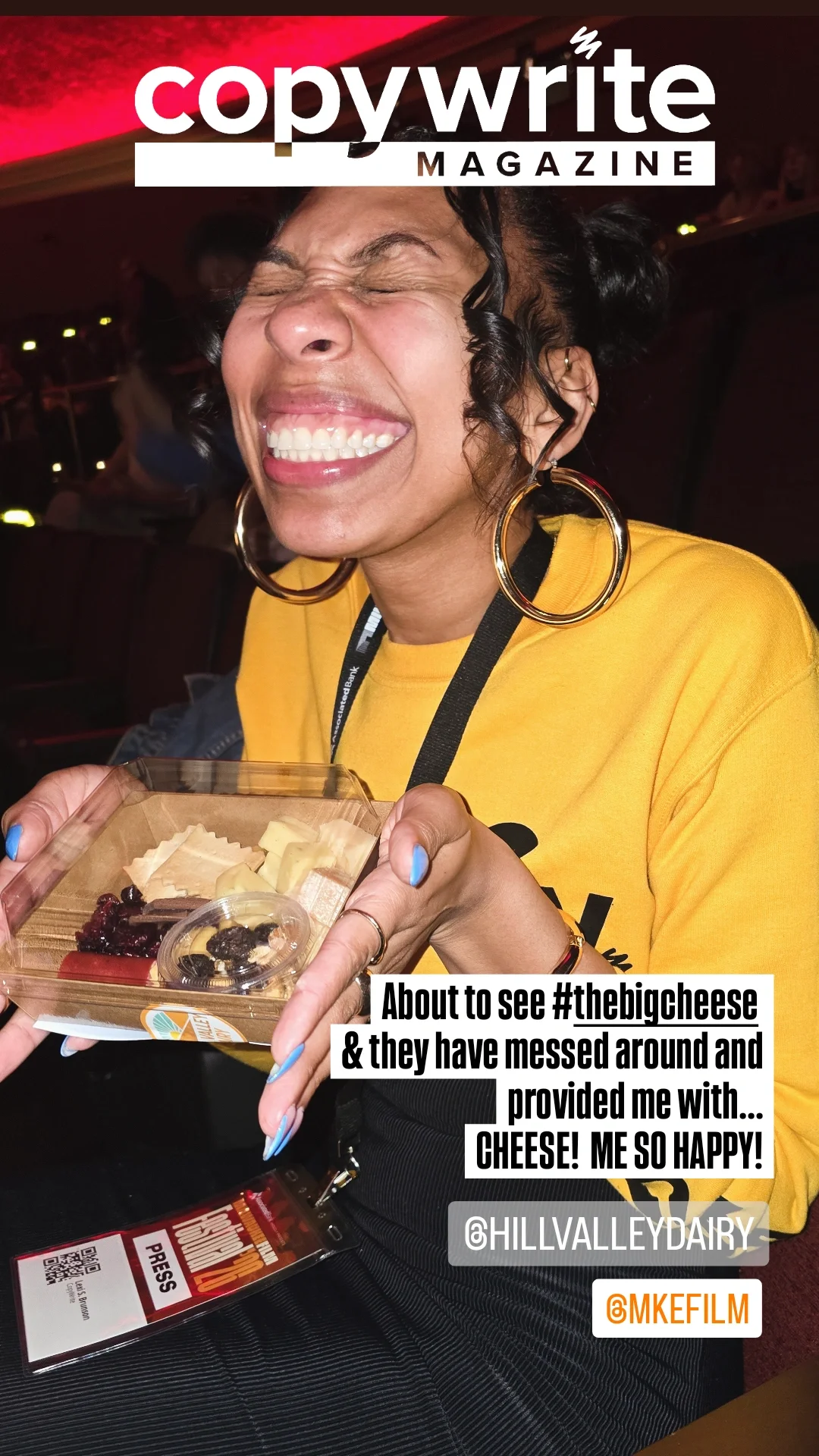
What I found fascinating about watching this film was how the entire audience seemed to be invested in watching Adam and his team prep Courtney Johnson & Sam Rollins, to take on their international rivals as we gnaw on the delectable cheese tasting box, provided by Hill Valley Dairy, Sartori Cheese, and Roth in the dim light of the movie projection [I now have the flavor tasting wheel on my refrigerator so I too can sound scholarly in my identification of cheese flavor profiles].
“It's giving notes on barnyard, stone fruit, and whey.”
We don’t know these people, yet we are invested in the idea that there is privilege in practice, and even though we have only had a real cheese industry in the United States for 150 years, [nothing in comparison to our Europian counter parts], watching someone cut and eyeball a chunk of cheese by the ounce like a street pharmacist is fascinating stuff. Adam, and his big personality, let us see the intimacy of believing in something [though niche] that is bigger than you. He shows us how even the most chaotic of human experiences can be comforted by a good piece of cheese.
And here is the thing… I’m not sure if it's because I was raised to love cheese or conditioned to root for the underdog, but there is a non-romantic love story that lives within every second of this film that was pleasantly heart-warming.
Ummm, but MKE Film, you don’t have to wait for a cheese-themed movie to slide us over cheese samples. We will take those anytime LOL
Lexi for /CW
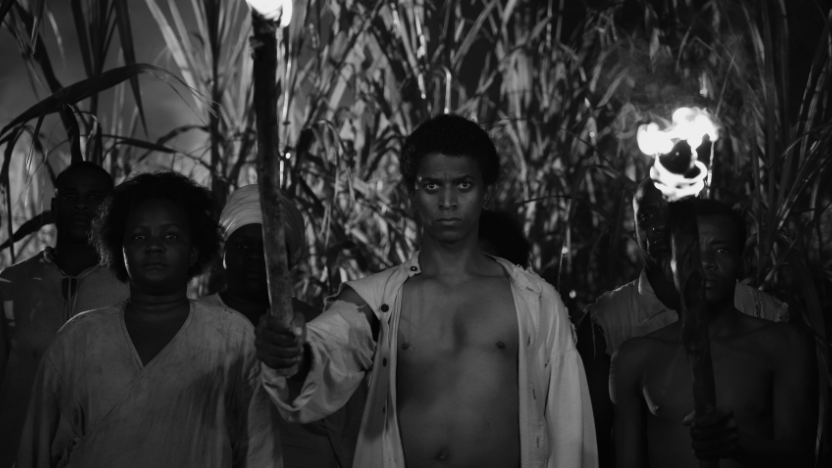
BLACK ZOMBIE [Director: Maya Annik Bedward]
Turning someone into a Zombie is like putting them back in slavery forever.
We know it happened. We know it still happens. We know that the media has bastardized the truth, lived realities, and minimized any origin story that shows the actual villainy that came with colonization of the Black body. Well, just imagine if the concept of a Zombie actually comes from a narrative that raises questions about autonomy and agency? What if you further discovered that this canon of thought really comes from the Isles of Hati and has been misconstrued into the soulless grotesque versus the traumatized lost?
Maya Annik Bedward challenges us to see beyond the horror genre of the fetishes of the zombie and into the cultural dialogue of a people who have fought for their survival, spiritual freedom, and the totality of their existence. There is a beautiful juxtaposition between the interpretation of a slave person becoming a Zombie [then how they snap out this forced trance, and become free by revolting against their capture] and the impact of the Haitian Revolution. It is filmed in what I would call a Black & White dream state, but it contrasts Haitian people in living color, discussing the misinterpretation of Voodoo, and media experts' criticism of the contemporary zombie trope.
Where it gives us a name to blame, William Seabrook, [call that fool out] from his travelogue, The Magic Island, where he claims to have witnessed, “soulless, dead bodies reanimated by voodoo sorcery to work as slaves”. His lack of sophistication in Haitian cultural competency & the erks of colonization [I SAID WHAT I SAID], creates this idea that it is the act of Voodoo that made these Black laborers soulless. But the truth is, it was being taken from Africa and disrupting one's passage to Ginen [considered a sacred place where spirits & souls return], the trauma of being forced to do this labor, that really created the Zombie.
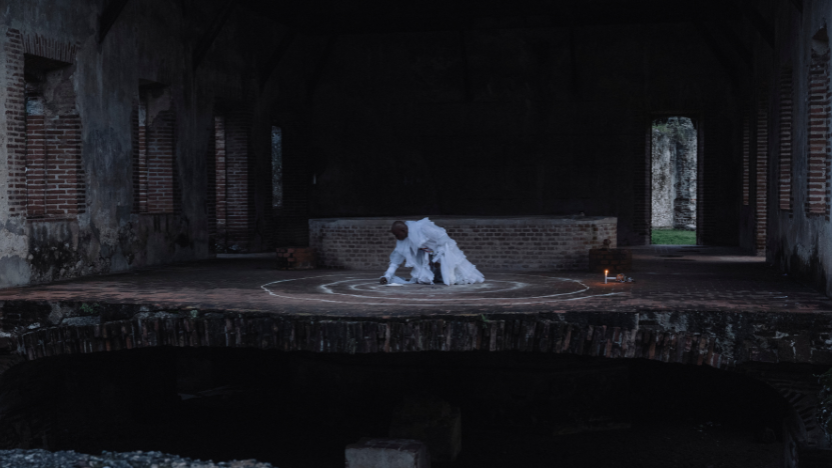
It's complex. But it's the white gaze of anything unwesternized that really makes it unsettling. Do you remember when the United States of America occupied Haiti from 1915 to 1934? Yurp! That happened for what was claimed to be in the US economic interest, that “underlay racist stereotypes of Haitians as ignorant people incapable of governing themselves”.
But then we question why Haitian refugees have been vilified. Tuh!
It is this Western fascination with the “other” that has given us The Night of the Living Dead, World War Z, and The Walking Dead. However, it is on the pain of real people who have been exploited. Black Zombie is a reminder that even in the mystic unknown their is a legacy to uncover, and truth that will always come to the light.
So if anything is eating at your flesh, let it be the truth: slavery never ended cleanly for Haiti. It just changed uniforms, flags, and languages. Colonizers tried to break a people who dared to free themselves first. They occupied the land, demonized the spirit, mocked the rituals, and turned sacred Black survival into horror for entertainment. But Haiti still breathes. Still sings. Still dances in their Blackness. Because what they could never understand is that Haitian culture is not a costume, not a performance, not a trend for outsiders to imitate and consume. It is an ancestral memory. It is spirit tied to spirit.
And no matter how hard the white gaze tries to study it, market it, fear it, or flatten it into fiction, there will always be a part of it inaccessible to those who have never had to survive through it. Haiti exists beyond their understanding, bright, bold, and ironically alive.
Lexi for /CW
THE MILWAUKEE YOUTH SHOW PRESENTS:
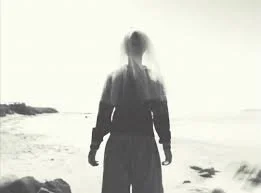
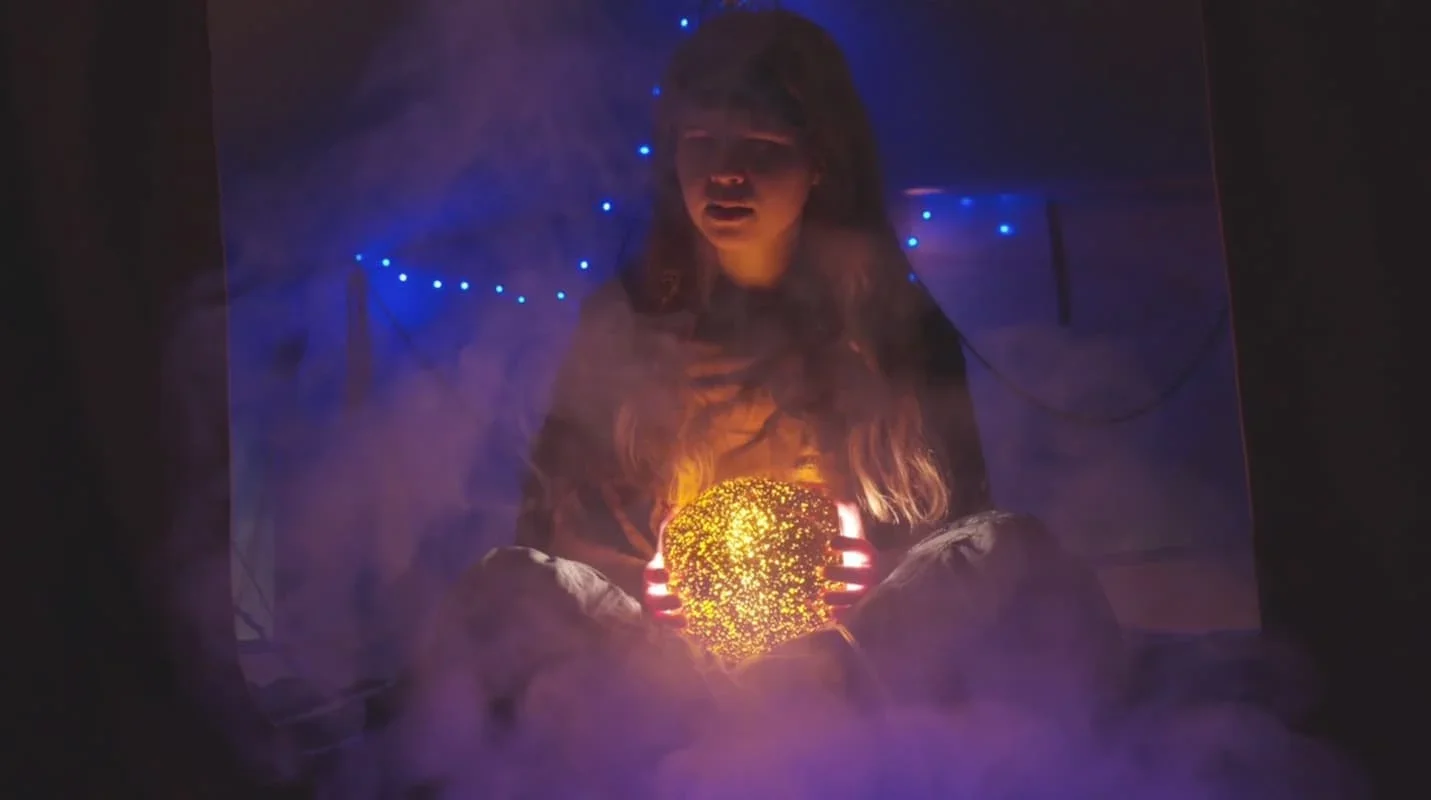
ALIVE AND FINE | Diego Villafuerte
FACADE | Sam Slowik
GRAVEDIGGER | Joseph Tzougros, Anika Oakland, Zoe Oakland
HOLD CLOSE | Milwaukee Visionaries Project participants Nannerl’s Kügel | Lola Milanovic
THE WEB | Erin Browning
TOO MANY ANIKAS | Zoe Oakland
WHO ARE YOU | Katie Hyde
Film is always evolving, shifting, and outdoing itself. One of the main reasons behind this artistic phenomenon is that filmmaking has little to no restrictions. Making your own rules, amplifying your voice creatively, and creating a purposeful statement are what make CopyWrite want to bring our pen and voice to the media. Youth filmmakers are living proof that it is never too early to breathe life into your visions and magnify their stories on the big screen.
The Milwaukee Youth Show exemplified not just a cultural array of youth filmmakers but also emphasized how large the film tray is, pertaining to how many different styles of storytelling there are. With every turn, the next generation of artists in our community is showing that they have the stuff to tell their stories, make people laugh, and enact change. This showcase of Milwaukee's young filmmakers proves that they are carrying the torch to bring light to our city. True passion and enjoyment were vibrantly displayed by all the youth filmmakers selected to be a part of the festival. Many of their ideas stemmed from school projects, a teacher seeing what they’re capable of, or an attempt to bring their friends closer together. I loved how, while watching the Milwaukee Youth Show, I was constantly on my toes and did not know what would fill my eyes next. Each youth filmmaker drew out different emotions, questions, and inspiration as they guided the audience on how the final product was carefully created.
To my surprise, I left the theatre with the knowledge that there once was a female Mozart who was just as talented as her brother, who has been internationally known for centuries, but because of her gender, Nannerl Mozart was never acknowledged for her talents and pure intelligence. [Yes, you read it right. Mozart had a sister who was just as musical-genius as he was but was never given the opportunities, nor recognition, because of something she was not in control of: her gender.]
I felt as if I was traveling right along with director, Lola Milanovic, just because of how intimate, genuine, and insightful each scene of her documentary was. Milanovic, just like the other filmmakers, poured much dedication, editing marathons, and fiery enthusiasm into telling their stories.
Witnessing not only the talented directors’ family and friends immediately gift a standing
ovation to them, but also the teachers and mentors who were with them from the time the film was a rough draft script, was a full-circle moment. The Q&A panel held after the cinematic sensation was presented opened my mind to view filmmakers in an entirely new way. Every one of them has a unique story, outlet, and access to resources to share their form of storytelling, but age plays no role in filmmaking because their passion all remains the same.
Desriana for /CW
Powwow People [Director: Sky Hopinka]
It’s the drums for me.
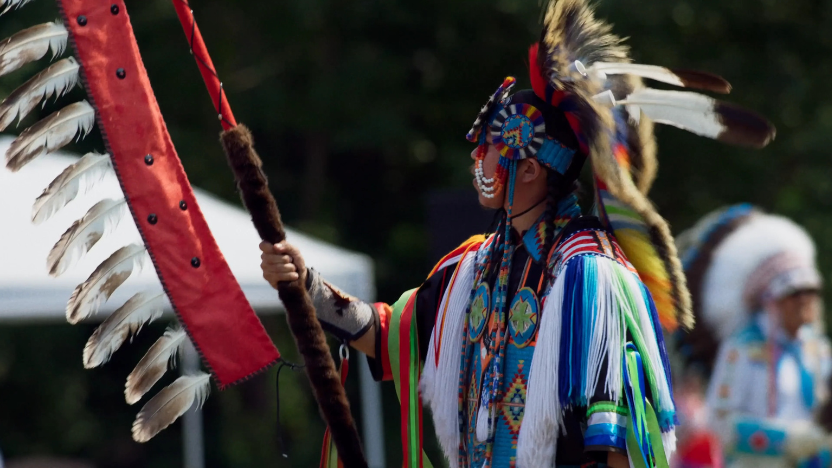
As a multi-ethinic women who has Choctaw, Blackfoot, and Cherokee ancestry, there is this part of me that gets overly emotional when I get to experience the intimacy of Native culture. Growing up, the only access I had to that piece of me was attending Powwows. Where I didn't have the words before, I now realize it as this magical culmination of tradition, celebration, and communal gathering, adorned in the intricacy of history & modernity.
“Why am I tearing up?”
Sky Hopinka curated not just a documentary film experience but the actual Powwow that shows the nuance of intertribal care & inclusivity. This 3-day event showed us multiple perspectives of who the “Powwow People” are. The planners, the drummers, the singers, the dancers, the elders, the youth, they are all threads of this way of life. It showed parts I had never seen before like the construction of a teepee [one pole at a time], and the discussion of the Powwow “Circuit” [a network of annual Native American social gatherings and competitions spanning North America that many drummers and singers travel to as a part of their vocation].
It’s something about the bounce.
What I found myself centered on in this film was the multiplicity of ways that one is present in their culture. The men's traditional foot slide dance had this aura to it; I just could not explain [that foot work goes crazy]. Jamie John, a non-binary dancer, reflected on identity via past practices, present participation, and what the future of these traditions may be, which reverberated an interdisciplinary dialogue that is often overlooked in mainstream media. Then we have the Master of Cermamony, Ruben Littlehead, who brought the natural satirical & comedic relief that held it together, the “OLD WAY”:
“Sky, this is where we turn the cameras off, or it's going to look like National Geographic.“
But the magic is in the filming of the ending dance special, where Sky films the dancers from the middle of it all, which shows the detail, the drama, and the discipline in a proximity that only another dancer ever really gets. Again, it feels like a sacred intimacy that is shared and a piece of existence I wish took up more space in the world [as it was meant to].
Powwow People is a reminder that Native American culture is not on the periphery of existence for all people. For some, this IS life.
Lexi for /CW
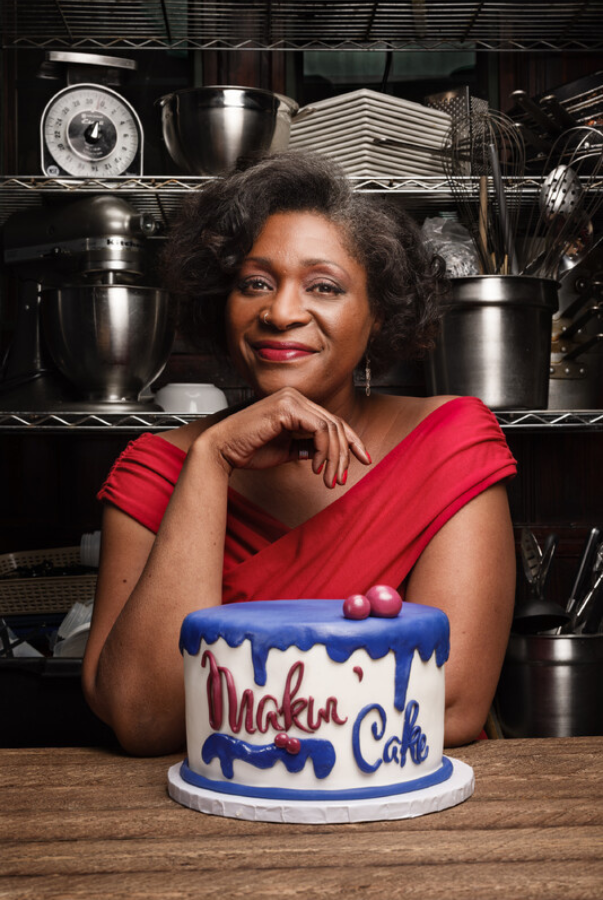
MAKIN’ CAKE [Director: Dasha Kelly]
Now I know what you’re thinking. Yes...The title alone was more than enough for me to sprint to
the Oriental Theatre and tune in. I mean, think about it, from weddings, birthdays, to anniversaries, cake is always placed at the very top of the sweets hierarchy and assigned as the celebratory dessert. The confectionery ensemble often symbolizes unity, abundance, joy, and celebration. Hence, much significance and excitement are shed on the sweet treat! Surprisingly, within the first five minutes of the intriguing documentary, I quickly learned that the impact the delectable delight held was far more than I’d ever imagined.
What struck me first, while my eyes were glued to the screen, was that my ideology of cake, just like many Americans, has been linear and consistent since the time I indulged in my first bite of cake. Bold, creative change agent, Dasha Kelly daringly unpacked how the true layers of cake aren’t just different moist frosting types, but they are, in fact, classism, racism, and privilege. The inviting scenes of Kelly attempting to bake her personal favorite, carrot cake, while simultaneously emphasizing that she was not a baker, were not only filled with comforting childhood memories reimagined but also the cut-throat origins of cake and the immense role it played during several of the harsh and unjust time periods we know to date.
Throughout the electrifying screening, Kelly invited a layered assortment of highly educated Wisconsin professors and historians to explain how being able to make the sugary ensemble was a direct reflection of how much money, access, inheritance, and the education you had back in the 20th century. Although the basic ingredients of crafting the confectionery treat seem affordable and a steal today, for many Americans 80 years ago, buying ingredients to make a cake meant their dollar couldn’t be stretched out as much as they intended.
Makin’ Cake surpassed the candied imagery I fantasized in my mind before entering the theatre doors. Whipped frosting, behind the scenes of some of the world’s most trophied bakers, and the rising of cake inside the oven were not the only moving parts that told the hidden story of how cake and power went hand in hand many specialty ovens ago! She quickly transitioned into showing the journey of her stage play, Makin’ Cake, which has made its way to the big stages all around the U.S, explaining to anyone and everyone the negative emotions cake once created.
The brilliant stage play deeply paints the picture that just as easily as cake can bring a family, group of friends, or couples together, it was an even easier cakewalk, causing rifts in society and the game of power. Yes...You guessed correctly again that my mouth was craving a taste of any cake in sight as I watched Kelly’s magic. However, as the red velvet curtains closed, I left with more insight into the access many of us have today to step into the kitchen with our families and bake a buffet of sweet treats. Decades ago, roughly ⅓ of Americans could attend home agent school learning the process of baking, while on the other hand, more than 50% of them could only afford to purchase one of the several ingredients. Writer and performing artist, Dasha Kelly, expanded my mind that unjust and unequal opportunities are not always black and white. This is why you have to dive deep into the research of your history and make change one bite at a time!
Desriana for /CW
#WHILEBLACK [Director: Sidney Fussell & Jennifer Holness]
The world has been marketing moments of Black pain for centuries. However, the introduction of social media to the masses has heightened this phenomenon tenfold.
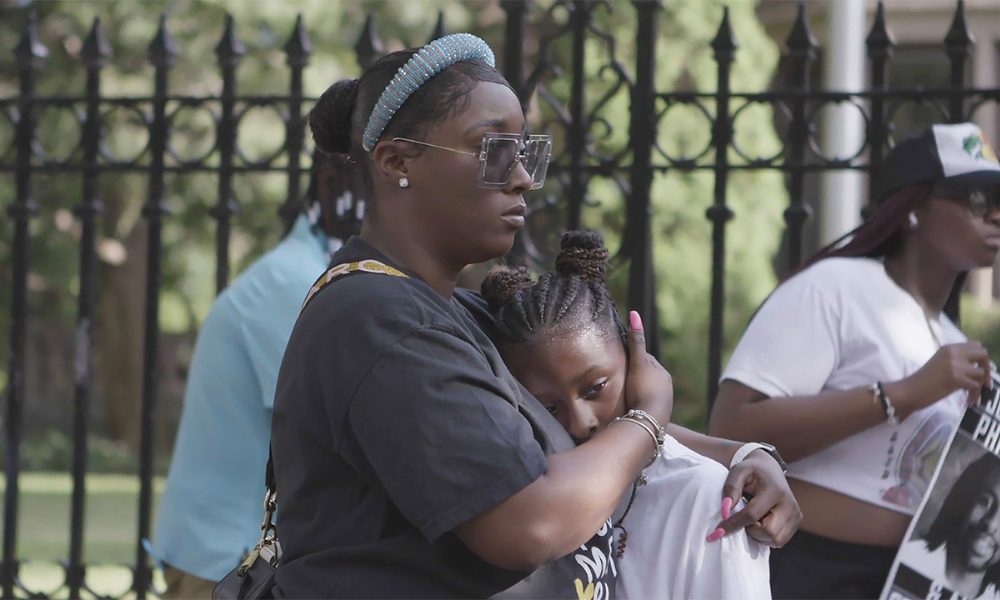
In this film, we encounter the realities of the virality of police violence toward the Black community, highlighting the act of witnessing the murder of George Floyd and Philando Castile. Both of these deaths were witnessed in the flesh, and documented through video technology [one a social media post & the other on Facebook Live].
As a society, we have collectively been grappling with a pain that was not personally our own but felt like a familiarity [it could have been us]. Where this is a normal response [that counters our desensitized reality], we are still not the first-hand witness.
The way directors Sidney Fussell & Jennifer Holnes championed the perspectives of Darnella Frazier, who posted the original video of Floyd’s death, and Diamond Reynolds, the girlfriend who was in the car with her daughter when Castile was shot, is vital. It shows the different treatment of this woman [Frazier, who was a teen at the time] and how the security, safety, and care for witnesses reverberate via their lived trauma every time a video is replayed.
Reynolds noted, “Nobody wants to hear trauma from a widow who is not a widow.” This calls into question who has agency over the act of mourning. Why does someone's legal marital status define their very apparent proximity to someone they cared for [this hits me on a personal level as someone who is not legally married but very much in a public & deeply rooted soul tie with my “husband”]. On top of this their is nothing natural about witnessing a violent death. Meta earned a projected $16 billion on impressions, "high-risk" or "violating” content around George Floyd's death. This sickening number notes that the tech industry [amongst others] is profiting off trauma. Owning the rights to something and sharing it far and wide is challenged by the fine print that many scroll past just to have access to an online community.
But here is the real tea: where Diamond Reynolds has been fighting to get her video removed from the web [that includes her daughter's likeness], Darnella Frazier was awarded a Pulitzer Prize for her recording as a citizen journalist that sparked protests around the world and vocalized how that Pulitzer means nothing in the grand scheme of things because well. . . a man is dead.
Without getting into the thick of it [because you know this will never not be an important conversation], I think #WHILEBLACK shows that no matter how far we come, we still have to challenge how we take ownership of narratives that affect us, even if their existence mocks the value of Black life.
Lexi for /CW
In the end, this year’s Milwaukee Film Festival felt less like an escape from reality and more like a return to it, with more care and somehow easier to hold. Across every screening, there remained a shared impulse to stay open: to each other, to discomfort, to joy, and to the small realizations that only emerge when we allow ourselves to truly look. Hopefully, that’s enough to keep building for whatever possibilities are to come together.
Love & All Things Urban,
/CW Fam


