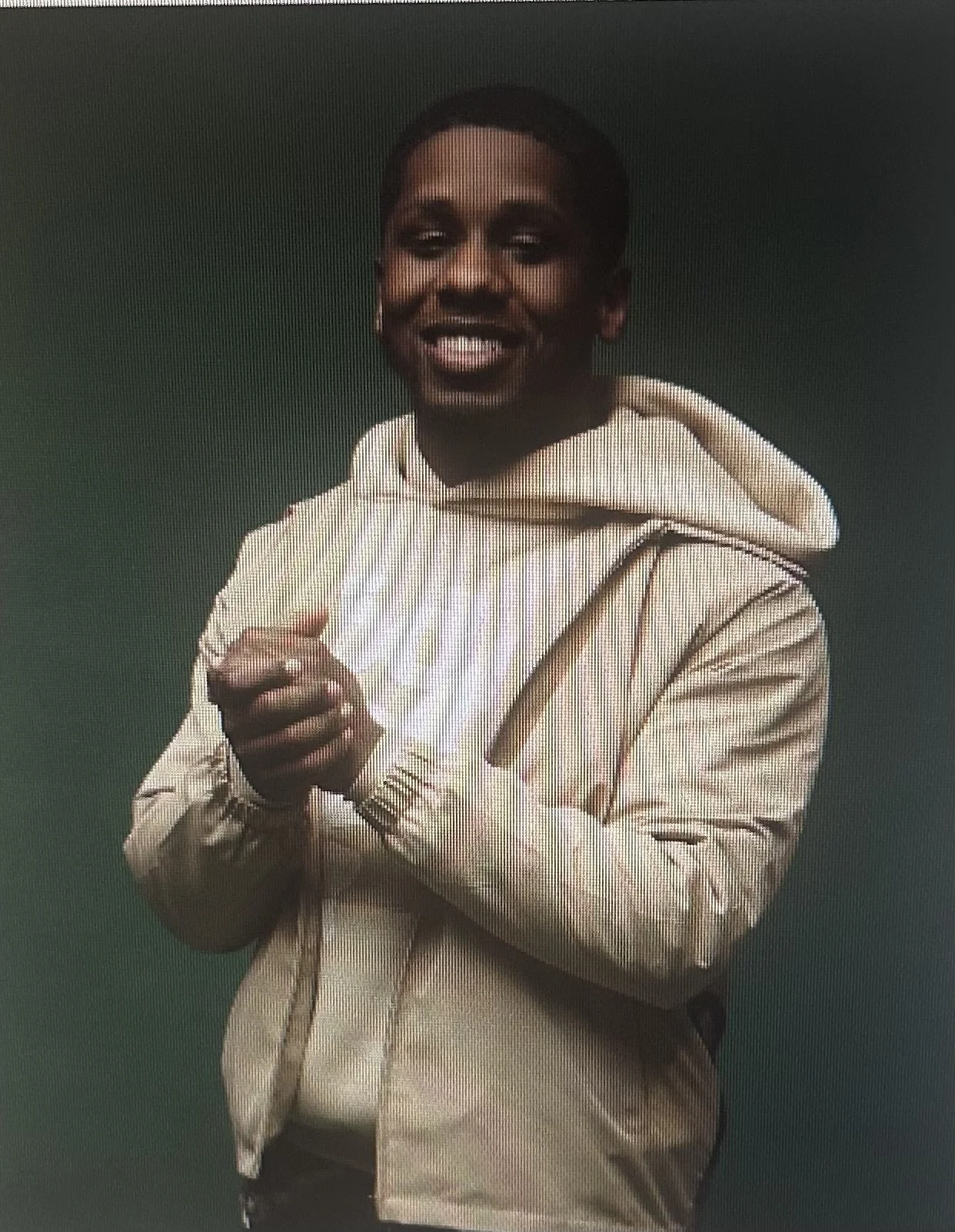
VOTE Vedale Hill to Be The People’s Artist | ONLY 1 DAY LEFT

Art isn’t just something you hang on a wall or scroll past online. Real art is lived. It is carried through pain, love, family, struggle, and hope. It is shaped by experience and shared with the world so others can feel less alone, more inspired, and more connected.

That’s exactly why Vedale Hill deserves your vote for The People’s Artist.

Vedale represents the kind of creative spirit our communities need more of — an artist who doesn’t simply create for attention or trends, but because creating is part of who they are. Every piece, every idea, every expression comes from an “endless well of thoughts” built through real-life experiences and an unwavering belief that art should mean something.

“I create because I can, and I can and do because I have an endless well of thoughts that are generated by my life’s amazing experiences.”

That mindset is what separates artists from creators of content. Honest art comes from lived experience. It comes from being willing to feel deeply, reflect honestly, and turn life into something meaningful that others can connect with.

For Vedale, inspiration doesn’t come from imitation. It comes from Pain, Love, Family, Life lived, and desired.

& that honesty matters. It also comes with an active pursuit to right his wrongs and create something that actively contradicts what he grew up thinking was his only option.

Too often, artists are expected to just“make art” while the world overlooks the deeper role creatives play in our communities. Artists teach. They share. They encourage. They build culture. They transform difficult experiences into something beautiful and human. They remind people that creativity still matters in a world that can sometimes feel disconnected.

Supporting local creatives like Vedale Hill means supporting people who live their art every single day not just when the spotlight is on. He has shown this with his work as an advocate for the creative community with CopyWrite, with his non-profit Jazale’s Art Studio, and with his adjunct professorship at MIAD.

What makes Vedale especially deserving of this recognition is the authenticity behind the work. There’s no pretending, no manufactured image — just someone committed to creating what they believe deserves to exist in the world.

When asked what kind of art matters most, Vedale answered:

“Honest art, that comes from one’s own experience with one’s own derivative style or process. If you believe it should exist and you're the best person to share the idea.”

That is the spirit of The People’s Artist.

And beyond the recognition, this campaign also supports a meaningful cause. Votes help support The Art of Elysium and their mission to use art as a catalyst for helping people overcome difficult life challenges.

If awarded the $25,000 prize, Vedale’s answer was grounded and real:

“Pay bills. I’ll always make art, with 1 cent or a million dollars. I’m going to be making something I believe is worth sharing with the world.”

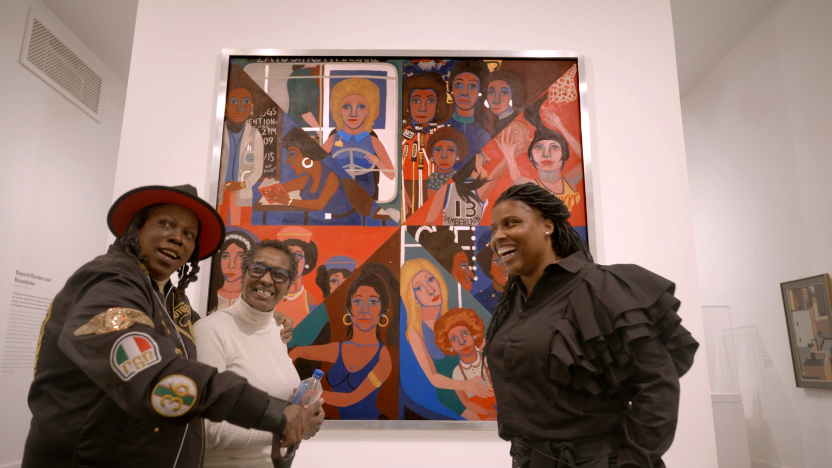
vedale hill was the lead artist in milwaukee’s black lives matter community mural

That says everything.

This isn’t someone chasing fame. This is someone committed to creating no matter the circumstances, because art is not just what they do, it’s who they are.

So if you believe artists should be supported not only for what they create, but for what they give back to the world through creativity, resilience, and authenticity, now is the time to show it.

Vote for Vedale Hill for The People’s Artist. Cast your free daily vote, or make an even bigger impact through a donation while supporting a powerful cause through The Art of Elysium.

Support honest art. Support the creative economy. #SupportTheLocal

/CW

SnapShot Press Release | Uniting Each Voice [Milwaukee Film Festival 2026]

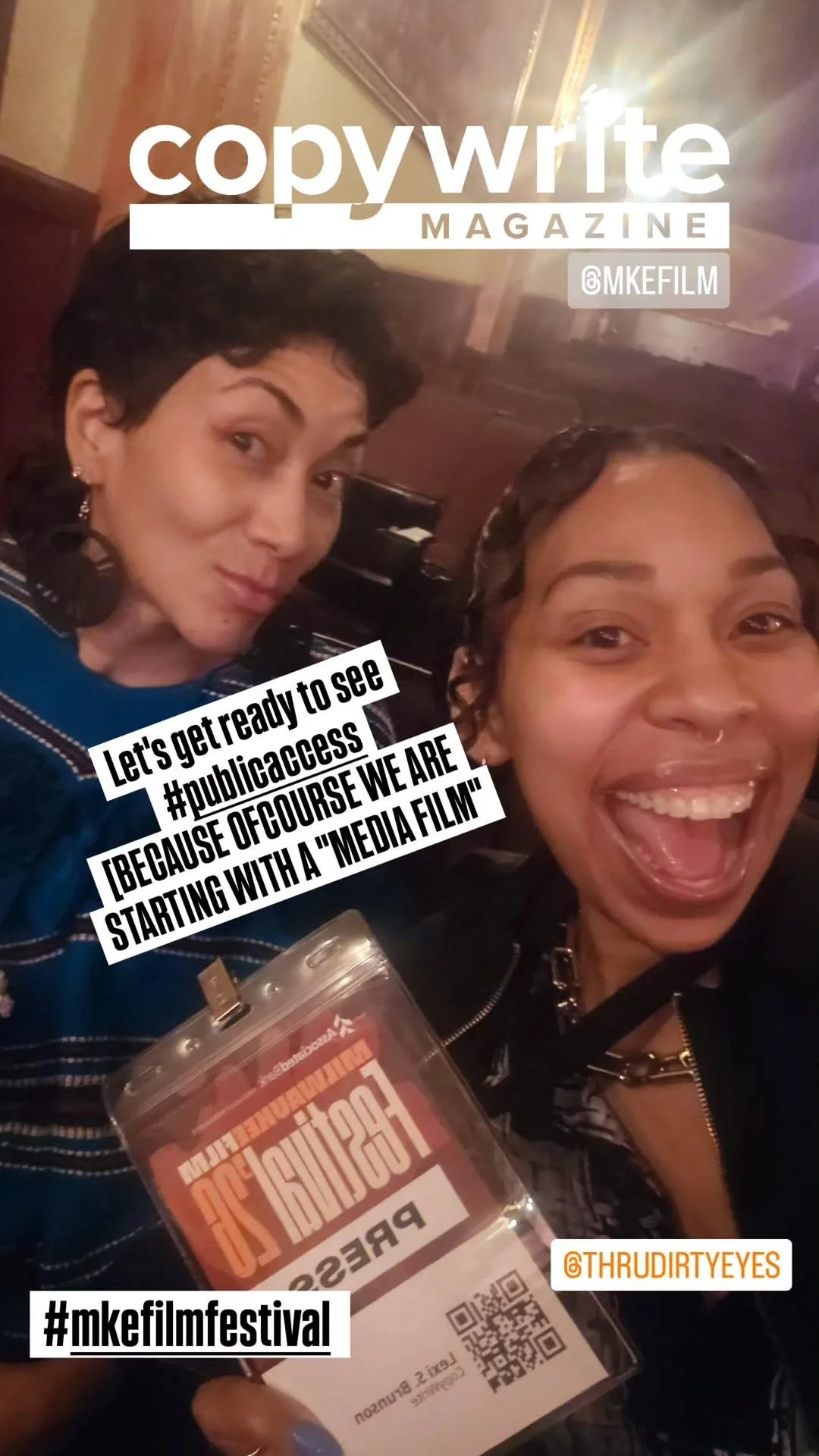
Tucked into a 22” x 20” [I’m guesstimating] movie seat, beneath the dimmed lights and flickers of projection, you can find me insainly jotting down illegible notes in the hope of remembering everything. As a press pass–holding journalist, I arrived with deadlines hissing in the back of my mind, personal burdens buzzing through my phone [DND me please], and a strong need to find reciprocity for me and the screen. But somewhere between the marquee’s glow and the 10 boxes of teeth sticking candy [I may or may not be over exaggerating], those concerns loosened their grip. What remained was a rare permission to sit still, to look closely, and to let the stories, the art, the whatever, reflect something truer than the noise I’d left outside.

Milwaukee Film Festival’s 2026 coverage from CopyWrite is a collection of reflections from the periphery. The type that tends to form and linger, offering nuanced perspectives that trace the emotional residue films leave behind. What follows leans into the quiet joys of simply existing alongside these films: noticing, wondering, and occasionally delighting in the unexpected. There’s room here for curiosity and a touch of whimsy, but it’s the kind that feels earned rather than ornamental [because once you're exposed to real, you are supposed to hate lame]. What impressions are left after the credits roll? What can we sit with, why does it matter, and who said so? From panels, parties, to the big screen, unity was at the forefront for both the audience and filmmakers. We recognize that uniting voices would be the unspoken theme waiting to be discovered.

With coverage from Lexi S. Brunson [Owner/Editor-in-Chief], and Desriana Gilbert [Entertainment & Social Journalist for /CW].


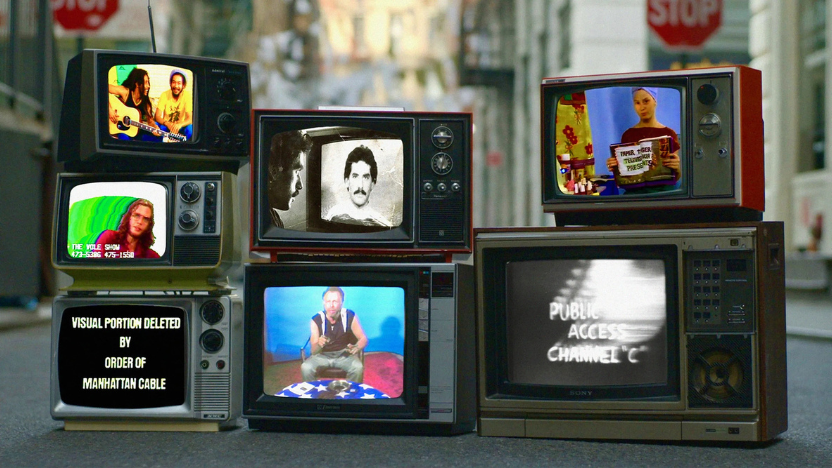
PUBLIC ACCESS [Director: David Shadrack Smith]

I live for a good media archive & by all measures of the sentiment, PUBLIC ACCESS is the holy grail. Originating in New Your City [go figure] in the 1970’s, Public access TV, was a non-commercial, community-produced cable television designed for public expression. 

& it was WILD!

This film shows us all the complexity that comes with the rise of new mediated platforms, the pros, cons, and WTF of it all. It’s a timely dialogue of access and agency, the same contemporary battle that exists in what we now consider social media…but was this not the first of its form?

The platform itself had no programming standard, which meant you could do what you wanted. So what do people do with free will? They will it, LOL. There is a quasi-understanding of what is meant for public consumption, especially considering that we all have different thresholds of acceptability. Where some public access originators thought that “presenting alternative culture could be a strength”, alternative culture was & is not one note. Where it lives on the spectrum digs into intimacy versus spectacle. The film shows us that dichotomy in depth. 

Director David Shadrack Smith, shows us archival footage of cultural legends as they participate in the space of pubic acess TV,  including members of the band Blondie [Debbie Harry & Chris Stein], Musician & Activist Bob Marley [on Rockers TV, the first reggae music television series], and Artist Jean-Michel Basquiat [who was shown using the typed character generator] as a frequent guest & crew member of a public access show TV Party. Having the footage of these icons being very much off script seems like a win for a cultural critic like myself. 

However, that wasn't the only thing off script being shown. For example, The Grube Tube, hosted by Steve Gruberg, was literally him sitting at a desk with a phone [phone number floated across the screen, and he would request people call in to talk about anything & everything. . .LIVE! Just imagine the real-time sense of discernment [Ha! There wasn't any]. Or the number of times someone was called a cunt [every episode from what was shown in the film]. Or why the hell were random people calling in to talk to a belligerent stranger? [Well, that happens all the time on podcast & talk radio. . . Y'all be bored & like people in your business]. For a $25 an hour studio rental, you could be on TV and do what you want and nobody was stopping you.

On the other end of this, there was footage that was recorded and sent in. With the invention of the Portapak video camera, you could capture anything from anywhere. So here we have footage of Nadya pushing a baby out of her vagina up close and personal, [and depending on who you are], a more or less visceral scene filmed by artist Anton Perich with the hemorrhoid screw concept of sticking a lightbulb up the TV repairman's butt, where a need for censorship was called into question. This is followed by a growth in pornographic content on Public Access, including content that grasps the intersectionality of identity, like Emerald City [the first Gay television show].

Beyond the titillating erotica [that's a first for me at the fest!], this mediated experience really captured the contemporary origin story of content creation. Where we champion YouTube & MySpace for their contributions to user-based content, this archive shows that the true relic of  DIY media is Public Access. As we still live in a society that challenges who can take up space, what is worthy of public consumption, and what is “doing to much” versus human expression, we should be mindful of who broke the mold. 

So for the Art, the Sex, the Nerdy, and the Niche . . . SHOULD IT BE PUBLIC?

Lexi for /CW 


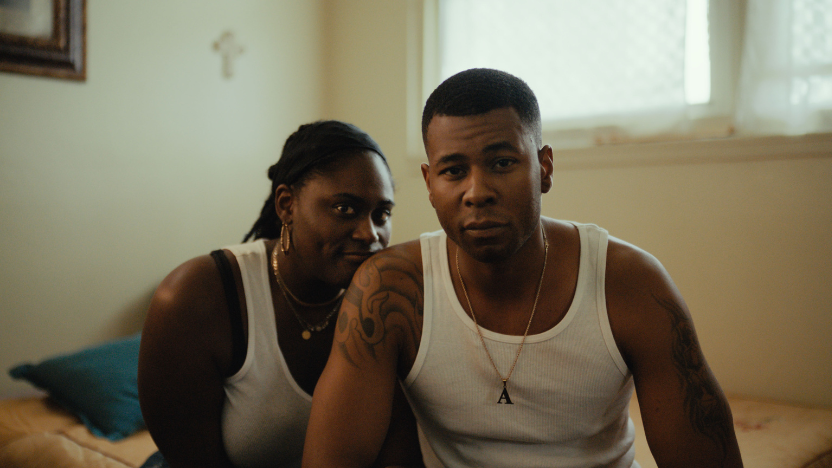
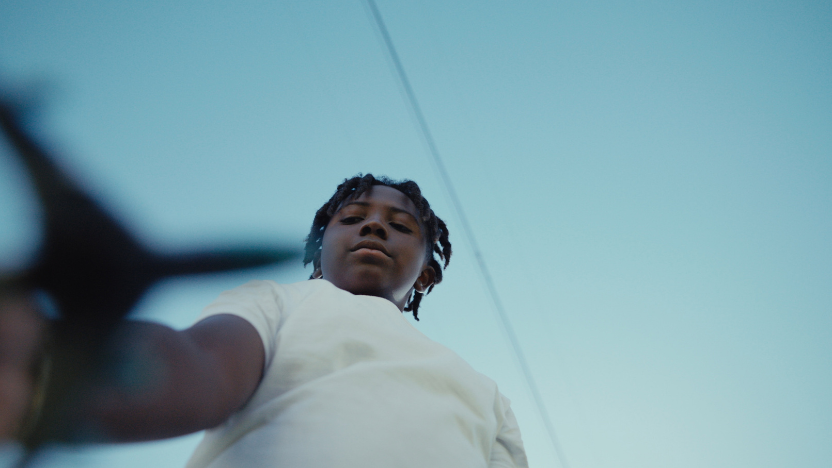
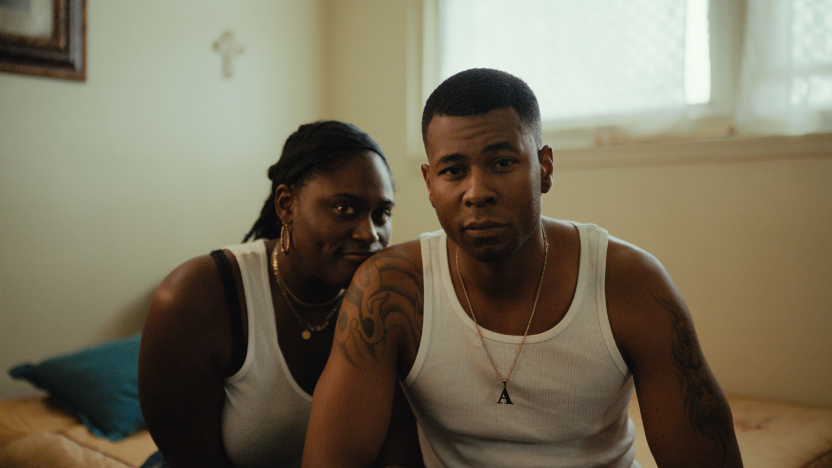
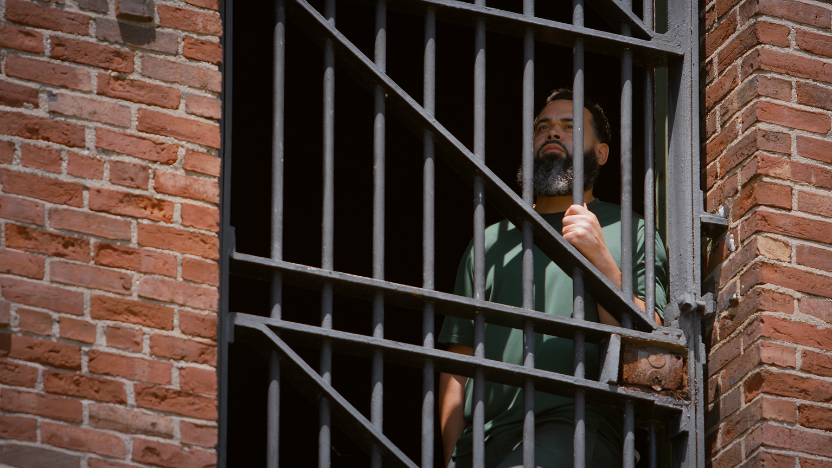
IF I GO WILL THEY MISS ME [Director: Walter Thompson-Hernandez]

Greek mythology goes beyond the surface of sculptures in high-end art galleries and historical museums. There are several similarities between African-American families and Greek mythology, including family dynamics and personal struggles. If I Go Will They Miss Me is an authentic and eye-opening embodiment that displays those similarities to a T.

Now, I know hundreds of daddy’s girls; I’ll be the first to admit that was my first title in life. Each scene caused a different type of tear to fall, but as I looked to my left and right while in the audience, I knew this tear-jerker was intentional and uncensored. You know the saying, “It doesn’t hit the same”? That’s the feeling Lil Ant felt after witnessing a young boy admiring his father as a god in the media, which was taboo.

Twelve-year-old Lil Ant viewed his father as a Greek god, Poseidon, a larger-than-life human being who was stronger, smarter, and more beloved than anyone else. Despite his knowledge of his father’s struggles with incarceration and instability, Lil Ant only replayed the pleasant memories and used those as ammunition to accomplish change, which was praised and acknowledged by everyone but his father. He felt invisible, like nothing he did ever pleased his Poseidon. Not only was this strain confusing to him, but also to the matriarch, Lozita. Out of each of her children, Lil Ant was the one who believed his father could do no wrong and tried with all his power to be exactly like him—solidifying the only image he knew his father to be: his hero.

The excitement and admiration he felt after learning that Big Ant was returning home could not be contained. Unfortunately, Lil Ant and I, sitting in the audience, did not expect the strain and disappointment that soon followed after his hero’s release.

Violent person, he was not.

He attempted suicide after feeling the disconnect between him and his father and feeling unseen. It didn’t matter how many profound drawings he created of Big Ant or how many fights he won in school; the validation Lil Ant sought from his father was never fulfilled.

The main mystery behind this cinematic masterpiece is why this father-son relationship plummeted when it was once angelic. I could not help but want to jump into the screen and stand up for Lil Ant. Director Water Thompson-Hernandez must’ve had the gift of mind-reading when creating the film because it seemed like just as I was about to lose my marbles over why this admired father was not reciprocating loving energy to his seed, the flashbacks began rolling in. As the audience witnessed Big Ant’s upbringing and the mistakes that laid the foundation for the trajectory of his adult life, his actions after being released from prison became crystal clear.

After a traumatic experience in his teenhood, Big Ant always felt different, but nobody ever noticed. Being labeled as the “tough guy” and “untouchable” is a hard opening to any discussion about feeling out of place or having unique experiences, especially in Los Angeles. He treated his son differently once he was released from prison so that Lil Ant would stop paying attention to every detail about his dad. Big Ant was afraid that if his son looked too hard, he would learn just how different he really was, along with both his past and present mistakes. Fatherhood instilled fear inside of him because it was brand new; for most of Lil Ant’s childhood, he was not physically there to learn how to be an active father.

With deep reflection, Big Ant discovered a love for aircraft, and Lil Ant’s artistry would draw the two closer together, but this didn’t solve the exhaustion his wifey, Lozita, faced while feeling alone in their relationship and as if she were the only parent pouring into her children both internally and externally. Yes, we all became crybabies throughout the entire duration of the screening, but I quickly realized there were several different pain points each of us identified with.

[THIS WAS A MIRROR WE WERE NOT READY TO HOLD UP].

While, for some, the simple fact that they are empaths and feel everything around them hit home, for others, it was the familiarity of family not seeing or valuing you the way you value them. And for some, it was clinging to the question of what life would be like for people if they left this world on their own terms. Although the pictorial buffet concluded with Big Ant losing everyone who means the world to him after they moved out of their family home, an unbreakable bond is restored between a son who always wanted nothing more than to feel seen and valued by the father he graciously admired.

Desriana for /CW


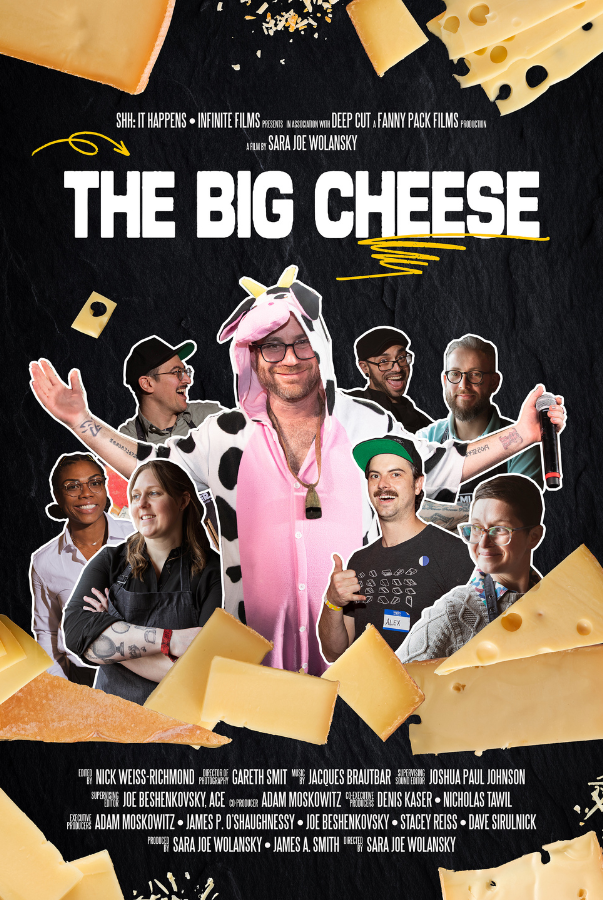
THE BIG CHEESE [Director: Sara Joe Wolansky]

The F*ck is a Cheesemonger?!?

For those of you who don’t know [like I didn’t], a cheesemonger is a highly trained curator of dairy-based joy; part food expert, part matchmaker, part flavor hustler. They know which cheese will change your life, which one pairs with wine, and which one smells like it’s been sitting too long next to a dumpster but somehow tastes amazing. Think of them as the sommeliers of cheese who age it, study it, slice it, sell it, and gently judge you when you ask for the basic cheddar from the grocery store.

As a Wisconsinite [The Cheese State Baaaabbbbyyy!], I am thoroughly ashamed of myself for not knowing that there was this wonderfully outlandish subculture/career that is obsessed with cheese in all the right ways. I mean, from the competitions, to the study sessions [sniffing, tasting, analysing origins], and designing out those lavish cheese “plate” presentations. . . I mean the commitment is top-tier. Director Sara Joe Wolansky increased our cheese culture lexicon by taking us on a journey of redemption where our main character, Adam Moskowittook [Mr. Moo himself] prepares a group of American Cheesemongers to win the Mondial du Fromage competition in France. As the world-class cheese “gurus” question what an American could even know about cheese [because we globally lack cultural expertise, hahah, but our collective egos tend to minimize that perspective], here is a man willing to propel his peers into the ooey gooey of it all to claim that honor and prestige. 

Side note: Did you know that the Wisconsin dairy industry contributes $52.8 billion annually to the state's economy? That’s a lot of cheese!

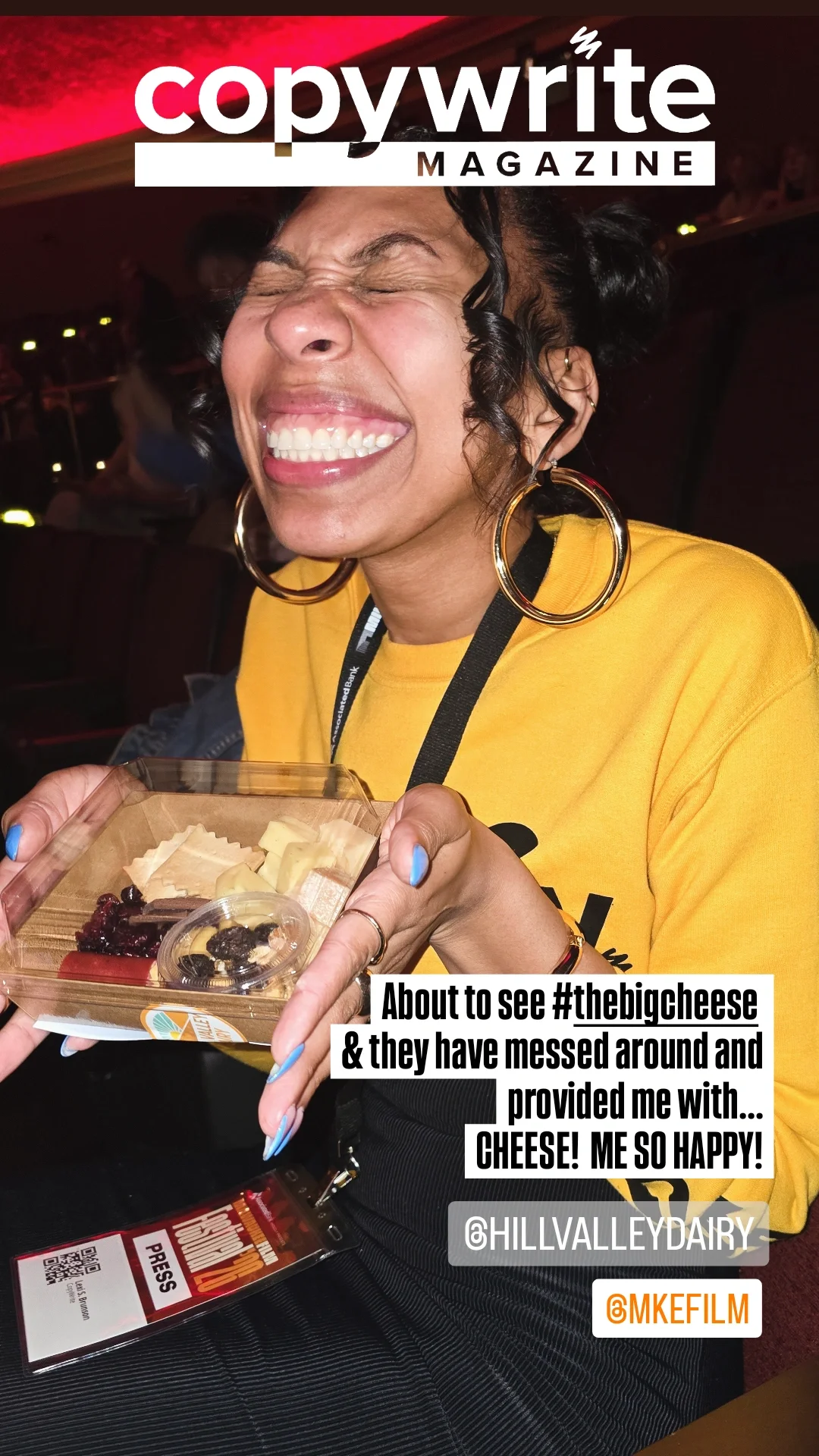
What I found fascinating about watching this film was how the entire audience seemed to be invested in watching Adam and his team prep Courtney Johnson & Sam Rollins, to take on their international rivals as we gnaw on the delectable cheese tasting box, provided by Hill Valley Dairy, Sartori Cheese, and Roth in the dim light of the movie projection [I now have the flavor tasting wheel on my refrigerator so I too can sound scholarly in my identification of cheese flavor profiles]. 

“It's giving notes on barnyard, stone fruit, and whey.”  

We don’t know these people, yet we are invested in the idea that there is privilege in practice, and even though we have only had a real cheese industry in the United States for 150 years, [nothing in comparison to our Europian counter parts], watching someone cut and eyeball a chunk of cheese by the ounce like a street pharmacist is fascinating stuff. Adam, and his big personality, let us see the intimacy of believing in something [though niche] that is bigger than you. He shows us how even the most chaotic of human experiences can be comforted by a good piece of cheese. 

And here is the thing… I’m not sure if it's because I was raised to love cheese or conditioned to root for the underdog, but there is a non-romantic love story that lives within every second of this film that was pleasantly heart-warming. 

Ummm, but MKE Film, you don’t have to wait for a cheese-themed movie to slide us over cheese samples. We will take those anytime LOL 

Lexi for /CW


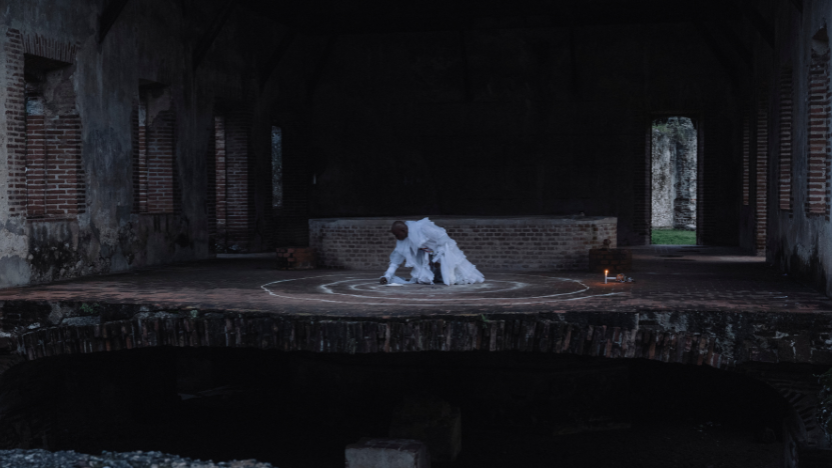
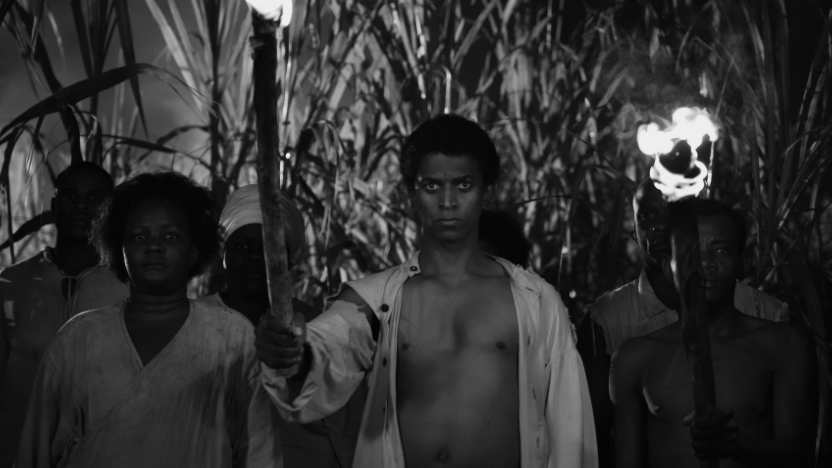
BLACK ZOMBIE [Director: Maya Annik Bedward]

Turning someone into a Zombie is like putting them back in slavery forever. 

We know it happened. We know it still happens. We know that the media has bastardized the truth, lived realities, and minimized any origin story that shows the actual villainy that came with colonization of the Black body. Well, just imagine if the concept of a Zombie actually comes from a narrative that raises questions about autonomy and agency? What if you further discovered that this canon of thought really comes from the Isles of Hati and has been misconstrued into the soulless grotesque versus the traumatized lost? 

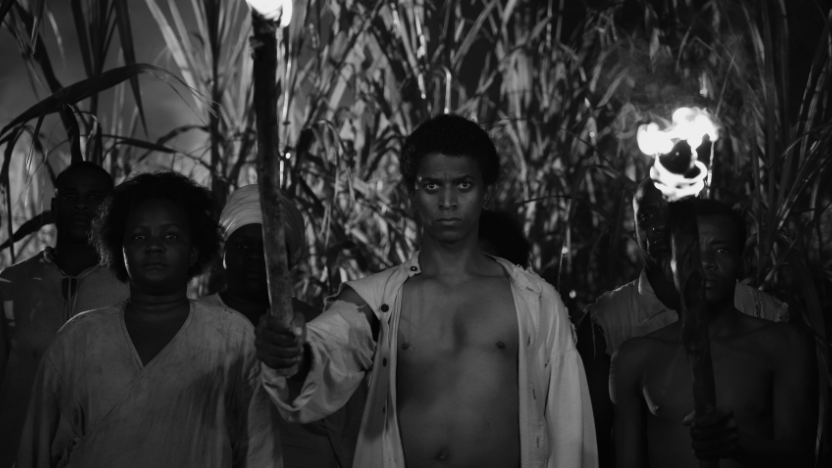
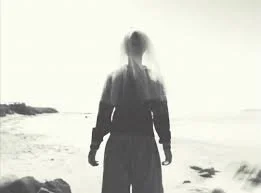
Maya Annik Bedward challenges us to see beyond the horror genre of the fetishes of the zombie and into the cultural dialogue of a people who have fought for their survival, spiritual freedom, and the totality of their existence. There is a beautiful juxtaposition between the interpretation of a slave person becoming a Zombie [then how they snap out this forced trance, and become free by revolting against their capture] and the impact of the Haitian Revolution. It is filmed in what I would call a Black & White dream state, but it contrasts Haitian people in living color, discussing the misinterpretation of Voodoo, and media experts' criticism of the contemporary zombie trope. 

Where it gives us a name to blame, William Seabrook, [call that fool out] from his travelogue, The Magic Island, where he claims to have witnessed, “soulless, dead bodies reanimated by voodoo sorcery to work as slaves”. His lack of sophistication in Haitian cultural competency & the erks of colonization [I SAID WHAT I SAID], creates this idea that it is the act of Voodoo that made these Black laborers soulless. But the truth is, it was being taken from Africa and disrupting one's passage to Ginen [considered a sacred place where spirits & souls return], the trauma of being forced to do this labor, that really created the Zombie. 

It's complex. But it's the white gaze of anything unwesternized that really makes it unsettling. Do you remember when the United States of America occupied Haiti from 1915 to 1934? Yurp! That happened for what was claimed to be in the US economic interest, that “underlay racist stereotypes of Haitians as ignorant people incapable of governing themselves”. 

But then we question why Haitian refugees have been vilified. Tuh!

It is this Western fascination with the “other” that has given us The Night of the Living Dead, World War Z, and The Walking Dead. However, it is on the pain of real people who have been exploited. Black Zombie is a reminder that even in the mystic unknown their is a legacy to uncover, and truth that will always come to the light. 

So if anything is eating at your flesh, let it be the truth: slavery never ended cleanly for Haiti. It just changed uniforms, flags, and languages. Colonizers tried to break a people who dared to free themselves first. They occupied the land, demonized the spirit, mocked the rituals, and turned sacred Black survival into horror for entertainment. But Haiti still breathes. Still sings. Still dances in their Blackness. Because what they could never understand is that Haitian culture is not a costume, not a performance, not a trend for outsiders to imitate and consume. It is an ancestral memory. It is spirit tied to spirit.

And no matter how hard the white gaze tries to study it, market it, fear it, or flatten it into fiction, there will always be a part of it inaccessible to those who have never had to survive through it. Haiti exists beyond their understanding, bright, bold, and ironically alive.

Lexi for /CW 


THE MILWAUKEE YOUTH SHOW PRESENTS: 

ALIVE AND FINE | Diego Villafuerte 

FACADE | Sam Slowik 

GRAVEDIGGER | Joseph Tzougros, Anika Oakland, Zoe Oakland 

HOLD CLOSE | Milwaukee Visionaries Project participants Nannerl’s Kügel | Lola Milanovic 

THE WEB | Erin Browning 

TOO MANY ANIKAS | Zoe Oakland 

WHO ARE YOU | Katie Hyde 


Film is always evolving, shifting, and outdoing itself. One of the main reasons behind this artistic phenomenon is that filmmaking has little to no restrictions. Making your own rules, amplifying your voice creatively, and creating a purposeful statement are what make CopyWrite want to bring our pen and voice to the media. Youth filmmakers are living proof that it is never too early to breathe life into your visions and magnify their stories on the big screen. 

The Milwaukee Youth Show exemplified not just a cultural array of youth filmmakers but also emphasized how large the film tray is, pertaining to how many different styles of storytelling there are. With every turn, the next generation of artists in our community is showing that they have the stuff to tell their stories, make people laugh, and enact change. This showcase of Milwaukee's young filmmakers proves that they are carrying the torch to bring light to our city. True passion and enjoyment were vibrantly displayed by all the youth filmmakers selected to be a part of the festival. Many of their ideas stemmed from school projects, a teacher seeing what they’re capable of, or an attempt to bring their friends closer together. I loved how, while watching the Milwaukee Youth Show, I was constantly on my toes and did not know what would fill my eyes next. Each youth filmmaker drew out different emotions, questions, and inspiration as they guided the audience on how the final product was carefully created.

To my surprise, I left the theatre with the knowledge that there once was a female Mozart who was just as talented as her brother, who has been internationally known for centuries, but because of her gender, Nannerl Mozart was never acknowledged for her talents and pure intelligence. [Yes, you read it right. Mozart had a sister who was just as musical-genius as he was but was never given the opportunities, nor recognition, because of something she was not in control of: her gender.] 

I felt as if I was traveling right along with director, Lola Milanovic, just because of how intimate, genuine, and insightful each scene of her documentary was. Milanovic, just like the other filmmakers, poured much dedication, editing marathons, and fiery enthusiasm into telling their stories. 

Witnessing not only the talented directors’ family and friends immediately gift a standing 

ovation to them, but also the teachers and mentors who were with them from the time the film was a rough draft script, was a full-circle moment. The Q&A panel held after the cinematic sensation was presented opened my mind to view filmmakers in an entirely new way. Every one of them has a unique story, outlet, and access to resources to share their form of storytelling, but age plays no role in filmmaking because their passion all remains the same.

Desriana for /CW


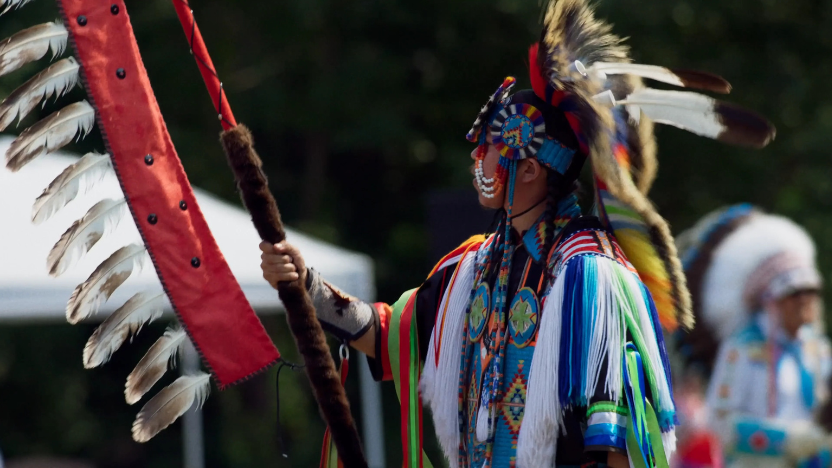
Powwow People [Director: Sky Hopinka]

It’s the drums for me.

As a multi-ethinic women who has Choctaw, Blackfoot, and Cherokee ancestry, there is this part of me that gets overly emotional when I get to experience the intimacy of Native culture. Growing up, the only access I had to that piece of me was attending Powwows. Where I didn't have the words before, I now realize it as this magical culmination of tradition, celebration, and communal gathering, adorned in the intricacy of history & modernity.   

“Why am I tearing up?”

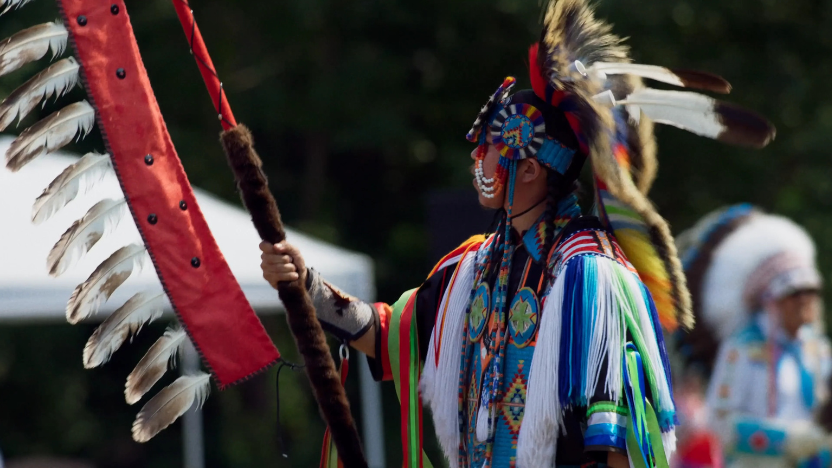
Sky Hopinka curated not just a documentary film experience but the actual Powwow that shows the nuance of intertribal care & inclusivity. This 3-day event showed us multiple perspectives of who the “Powwow People” are. The planners, the drummers, the singers, the dancers, the elders, the youth, they are all threads of this way of life. It showed parts I had never seen before like the construction of a teepee [one pole at a time], and the discussion of the Powwow “Circuit” [a network of annual Native American social gatherings and competitions spanning North America that many drummers and singers travel to as a part of their vocation]. 

It’s something about the bounce. 

What I found myself centered on in this film was the multiplicity of ways that one is present in their culture. The men's traditional foot slide dance had this aura to it; I just could not explain [that foot work goes crazy]. Jamie John, a non-binary dancer, reflected on identity via past practices, present participation, and what the future of these traditions may be, which reverberated an interdisciplinary dialogue that is often overlooked in mainstream media.  Then we have the  Master of Cermamony, Ruben Littlehead, who brought the natural satirical & comedic relief that held it together, the “OLD WAY”:

“Sky, this is where we turn the cameras off, or it's going to look like National Geographic.“

But the magic is in the filming of the ending dance special, where Sky films the dancers from the middle of it all, which shows the detail, the drama, and the discipline in a proximity that only another dancer ever really gets. Again, it feels like a sacred intimacy that is shared and a piece of existence I wish took up more space in the world [as it was meant to].

Powwow People is a reminder that Native American culture is not on the periphery of existence for all people. For some, this IS  life. 

 Lexi for /CW 


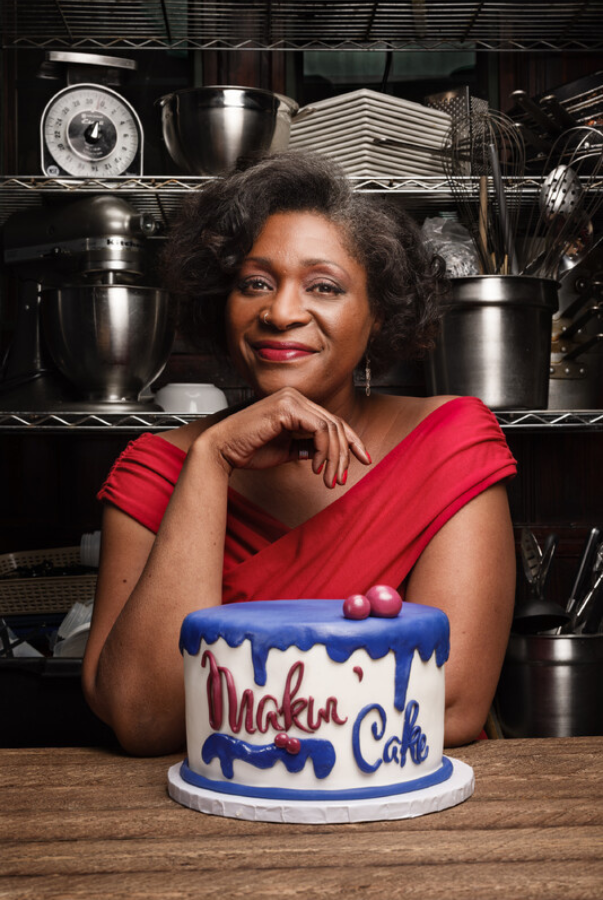
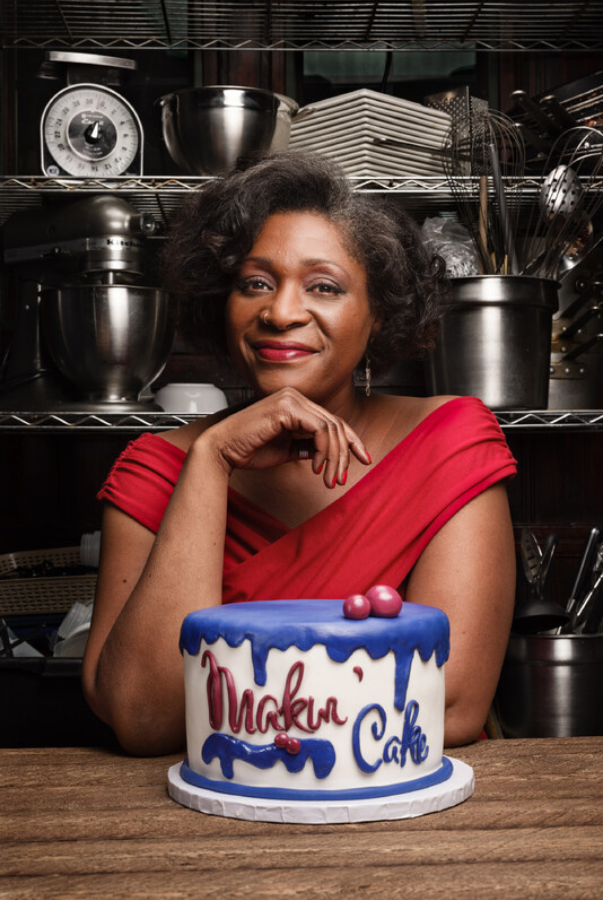
MAKIN’ CAKE [Director: Dasha Kelly]

Now I know what you’re thinking. Yes...The title alone was more than enough for me to sprint to 

the Oriental Theatre and tune in. I mean, think about it, from weddings, birthdays, to anniversaries, cake is always placed at the very top of the sweets hierarchy and assigned as the celebratory dessert. The confectionery ensemble often symbolizes unity, abundance, joy, and celebration. Hence, much significance and excitement are shed on the sweet treat! Surprisingly, within the first five minutes of the intriguing documentary, I quickly learned that the impact the delectable delight held was far more than I’d ever imagined. 

What struck me first, while my eyes were glued to the screen, was that my ideology of cake, just like many Americans, has been linear and consistent since the time I indulged in my first bite of cake. Bold, creative change agent, Dasha Kelly daringly unpacked how the true layers of cake aren’t just different moist frosting types, but they are, in fact, classism, racism, and privilege. The inviting scenes of Kelly attempting to bake her personal favorite, carrot cake, while simultaneously emphasizing that she was not a baker, were not only filled with comforting childhood memories reimagined but also the cut-throat origins of cake and the immense role it played during several of the harsh and unjust time periods we know to date. 

Throughout the electrifying screening, Kelly invited a layered assortment of highly educated Wisconsin professors and historians to explain how being able to make the sugary ensemble was a direct reflection of how much money, access, inheritance, and the education you had back in the 20th century. Although the basic ingredients of crafting the confectionery treat seem affordable and a steal today, for many Americans 80 years ago, buying ingredients to make a cake meant their dollar couldn’t be stretched out as much as they intended.

Makin’ Cake surpassed the candied imagery I fantasized in my mind before entering the theatre doors. Whipped frosting, behind the scenes of some of the world’s most trophied bakers, and the rising of cake inside the oven were not the only moving parts that told the hidden story of how cake and power went hand in hand many specialty ovens ago! She quickly transitioned into showing the journey of her stage play, Makin’ Cake, which has made its way to the big stages all around the U.S, explaining to anyone and everyone the negative emotions cake once created. 

The brilliant stage play deeply paints the picture that just as easily as cake can bring a family, group of friends, or couples together, it was an even easier cakewalk, causing rifts in society and the game of power. Yes...You guessed correctly again that my mouth was craving a taste of any cake in sight as I watched Kelly’s magic. However, as the red velvet curtains closed, I left with more insight into the access many of us have today to step into the kitchen with our families and bake a buffet of sweet treats. Decades ago, roughly ⅓ of Americans could attend home agent school learning the process of baking, while on the other hand, more than 50% of them could only afford to purchase one of the several ingredients. Writer and performing artist, Dasha Kelly, expanded my mind that unjust and unequal opportunities are not always black and white. This is why you have to dive deep into the research of your history and make change one bite at a time!

Desriana for /CW


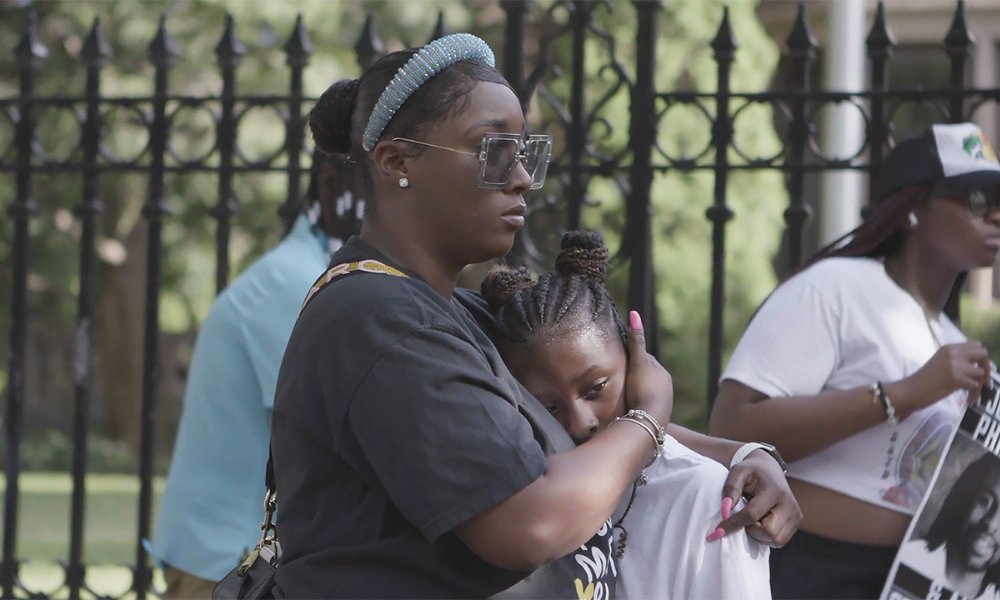
#WHILEBLACK [Director: Sidney Fussell & Jennifer Holness]

The world has been marketing moments of Black pain for centuries. However, the introduction of social media to the masses has heightened this phenomenon tenfold.  

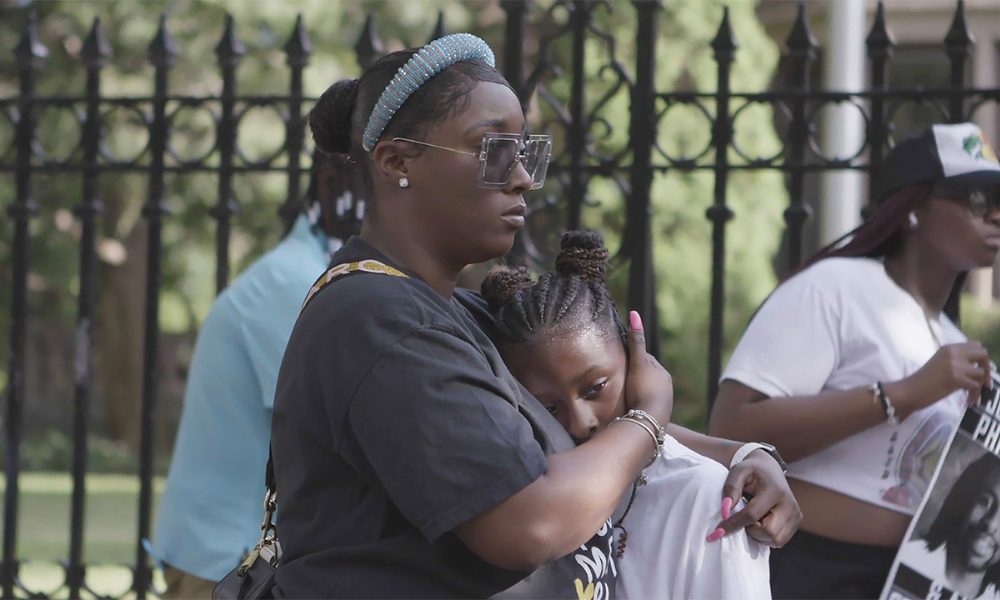
In this film, we encounter the realities of the virality of police violence toward the Black community, highlighting the act of witnessing the murder of George Floyd and Philando Castile. Both of these deaths were witnessed in the flesh, and documented through video technology [one a social media post & the other on Facebook Live]. 

As a society, we have collectively been grappling with a pain that was not personally our own but felt like a familiarity [it could have been us]. Where this is a normal response [that counters our desensitized reality], we are still not the first-hand witness. 

The way directors Sidney Fussell & Jennifer Holnes championed the perspectives of Darnella Frazier, who posted the original video of Floyd’s death, and Diamond Reynolds, the girlfriend who was in the car with her daughter when Castile was shot, is vital. It shows the different treatment of this woman [Frazier, who was a teen at the time] and how the security, safety, and care for witnesses reverberate via their lived trauma every time a video is replayed.

Reynolds noted, “Nobody wants to hear trauma from a widow who is not a widow.” This calls into question who has agency over the act of mourning. Why does someone's legal marital status define their very apparent proximity to someone they cared for [this hits me on a personal level as someone who is not legally married but very much in a public & deeply rooted soul tie with my “husband”]. On top of this their is nothing natural about witnessing a violent death. Meta earned a projected $16 billion on impressions, "high-risk" or "violating” content around George Floyd's death. This sickening number notes that the tech industry [amongst others] is profiting off trauma. Owning the rights to something and sharing it far and wide is challenged by the fine print that many scroll past just to have access to an online community.

But here is the real tea: where Diamond Reynolds has been fighting to get her video removed from the web [that includes her daughter's likeness], Darnella Frazier was awarded a Pulitzer Prize for her recording as a citizen journalist that sparked protests around the world and vocalized how that Pulitzer means nothing in the grand scheme of things because well. . . a man is dead. 

Without getting into the thick of it [because you know this will never not be an important conversation], I think #WHILEBLACK shows that no matter how far we come, we still have to challenge how we take ownership of narratives that affect us, even if their existence mocks the value of Black life.

Lexi for /CW 


In the end, this year’s Milwaukee Film Festival felt less like an escape from reality and more like a return to it, with more care and somehow easier to hold. Across every screening, there remained a shared impulse to stay open: to each other, to discomfort, to joy, and to the small realizations that only emerge when we allow ourselves to truly look. Hopefully, that’s enough to keep building for whatever possibilities are to come together.
Love & All Things Urban, 

/CW Fam

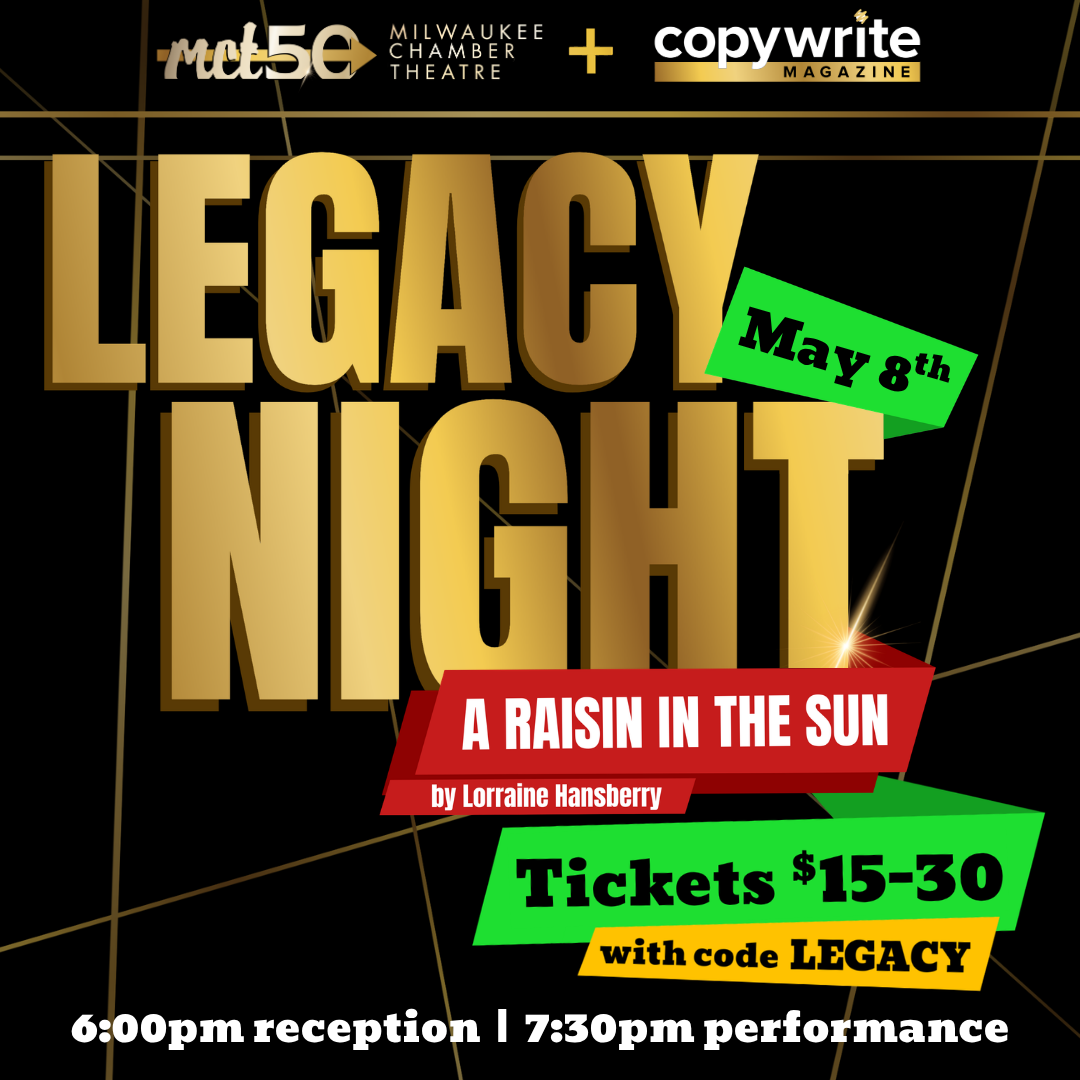
COPYWRITE IS INVITING ALL OF OUR BLACK COMMUNITY TO LEGACY NIGHT !!! | Milwaukee Chamber Theatre Presents A RASIN IN THE SUN

ATTN: BLACK PEOPLE [ALL OF THE CONNECTS OF THE AFRICAN DIASPORIC DESCENT]— THIS MESSAGE IS FOR YOU!

What do you know about intentional entertainment? Culture celebrated, with the nuance of taking up space & wishing someone would have the audacity to question, "Why?"

Family, it's LEGACY NIGHT!

On May 8th, 2026, Milwaukee Chamber Theatre opens its doors for something deeper than a typical evening at the theater. This year's Legacy Night will showcase A Raisin in the Sun [the first play produced on Broadway written by a Black woman]. This classic, written by Lorraine Hansberry, is a reflection of dreams deferred [iykyk] and dreams defended [stand on business]. It’s family, resilience, struggle, and hope... all the things we know in the dimensional existence we have had as a community. It is in all shapes of the word, a legacy of our people. And there’s something undeniably powerful about witnessing it in a room filled with people who don’t just watch the story but feel it, recognize it, carry it.

This year feels especially meaningful because it’s the largest theater space Legacy Night has called home so far—and the intention is clear: fill every seat. Not just for attendance, but for affirmation that we exist and we do it #ForTheCulture.

I’m personally honored to be part of the host committee through CopyWrite [for the 3rd year in a row], helping shape a night like this into existence authentically. This is the work that matters, making sure our stories aren’t just told, but held, supported, and surrounded by the people they belong to [because what would the world do without BLACK CULTURE? Pshhhh!]

So we need you to tap in, buy a ticket, tell a friend, buy them a ticket, and then circulate this info all up and down the grapevine! The night starts at 6:00 pm with food, drinks, music, conversation, connection, and culture to set the tone. This is grandmas house, the barbecue, and chats on the front porch. . . because whenever we are together, it should be a function!

Let us plug you in with a ticket discount [use promo code: LEGACY].

All I truly ask is that you SHOW UP & SHOW OUT!

Love & All Things Urban,

Lexi S. Brunson | Editor-in -Chief /CW

2026 MILWAUKEE FILM FEST, HERE WE COME! COPYWRITE IS BACK FOR ANOTHER YEAR

We love a good media assignment, and this spring we are back to cover our favorite fest. . . Milwaukee Film Fest that is!

From April 16-30, 2026, be on the lookout for our Instagram check-ins [@copywritemag], theater sightings, comfy movie fits, & who knows what more. And as always, we will be hitting you with our full festival recap once the lights die down [because that’s what real cultural critics do].

Excited or nah? You should be! But to get you amped up even more, check out our official /CW-approved film list:

/CW APPROVED FILM SELECTIONS:

  • THE BIG CHEESE

    • Friday, 4/24 | 7:00 PM | Oriental Theatre [LEXI]

    • Sunday, 4/26 | 10:00 AM | Downer Theatre 

    • Wednesday, 4/29 | 3:45 PM | Downer Theatre 

  • AANIKOOBIJIGAN [ANCESTOR/GREAT-GRANDPARENT/GREAT-GRANDCHILD]

    • Saturday, 4/25 | 12:45 PM | Oriental Theatre

    • Tuesday, 4/28 | 4:00 PM | Oriental Theatre

  • BEYOND

    • Saturday, 4/18 | 6:30 PM | Oriental Theatre [LEXI] 

    • Thursday, 4/23 | 5:45 PM | Downer Theatre

  • BLACK ZOMBIE

    • Saturday, 4/18 | 8:45 PM | Downer Theatre

    • Wednesday, 4/22 | 6:30 PM | Downer Theatre

    • Friday, 4/24 | 9:45 PM | Downer Theatre [LEXI]

  • COOKIE QUEENS

    • Sunday, 4/19 | 3:00 PM | Downer Theatre [LEXI]

    • Saturday, 4/25 | 12:45 PM | Downer Theatre

  • HAPPY BIRTHDAY

    • Friday, 4/17 | 2:30 PM | Downer Theatre

    • Wednesday, 4/29 | 2:00 PM | Downer Theatre

  • IF I GO WILL THEY MISS ME

    • Sunday, 4/26 | 10:30 AM | Oriental Theatre 

    • Thursday, 4/30 | 6:30 PM | Oriental Theatre

  • MAD BILLS TO PAY (OR DESTINY, DILE QUE NO SOY MALO)

    • Friday, 4/24 | 4:30 PM | Oriental Theatre

    • Monday, 4/27 | 6:00 PM | Downer Theatre 

  • MAKIN’ CAKE

    • Friday, 4/24 | 1:00 PM | Downer Theatre 

    • Sunday, 4/26 | 1:00 PM | Oriental Theatre

  • MISAN HARRIMAN: SHOOT THE PEOPLE

    • Friday, 4/17 | 12:00 PM | Downer Theatre 

    • Tuesday, 4/21 | 8:00 PM | Oriental Theatre 

    • Monday, 4/27 | 3:00 PM | Oriental Theatre 

  • PAINT ME A ROAD OUT OF HERE

    • Wednesday, 4/22 | 4:45 PM | Oriental Theatre

    • Sunday, 4/26 | 4:15 PM | Oriental Theatre

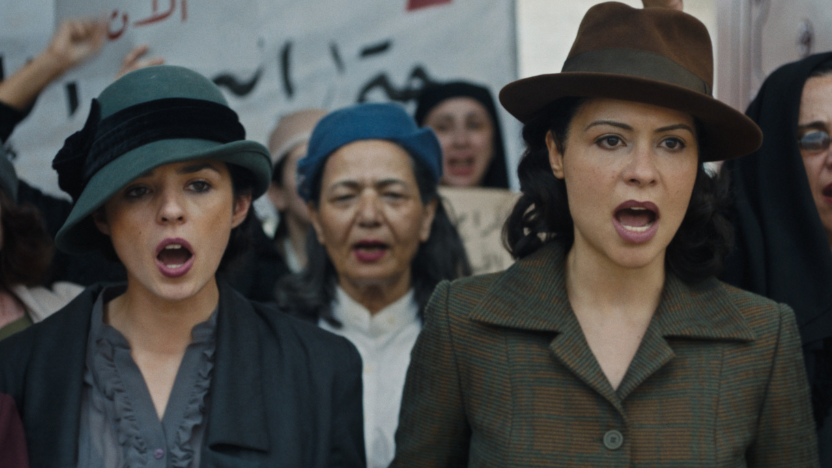
  • PALESTINE 36

    • Monday, 4/20 | 6:30 PM | Oriental Theatre

    • Wednesday, 4/22 | 4:15 PM | Oriental Theatre

  • POWWOW PEOPLE

    • Saturday, 4/25 | 4:15 PM | Downer Theatre [LEXI] 

    • Tuesday, 4/28 | 1:00 PM | Oriental Theatre 

    • Thursday, 4/30 | 4:00 PM | Oriental Theatre 

  • PUBLIC ACCESS

    • Friday, 4/17 | 8:15 PM | Downer Theatre [LEXI]

    • Saturday, 4/18 | 12:45 PM | Oriental Theatre 

    • Thursday, 4/23 | 9:45 PM | Downer Theatre 

  • THE LAST CRITIC

    • Saturday, 4/18 | 1:30 PM | Downer Theatre 

    • Sunday, 4/19 | 11:00 AM | Oriental Theatre 

    • Thursday, 4/23 | 1:30 PM | Oriental Theatre

  • #WHILEBLACK

    • Sunday, 4/26 | 4:00 PM | Downer Theatre [LEXI]

    • Tuesday, 4/28 | 4:00 PM | Downer Theatre

  • BLACK LENS DOC SHORTS: IT TAKES A VILLAGE

    • Saturday, Apr 18 | 3:30 PM | Downer Theatre [LEXI]

    • Monday, Apr 27 | 5:30 PM | Oriental Theatre

  • BLACK LENS FICTION SHORTS: FOR THE DREAMERS

    • Tuesday, 4/21 | 6:30 PM | Downer Theatre 

    • Wednesday, 4/29 | 4:30 PM | Downer Theatre

  • THE MILWAUKEE SHOW I

    • Tuesday, 4/21 | 6:30 PM | Oriental Theatre

  • THE MILWAUKEE SHOW II

    • Monday, Apr 27 | 7:30 PM | Oriental Theatre

  • THE MILWAUKEE YOUTH SHOW

    • Saturday, Apr 25 | 10:45 AM | Downer Theatre 


SEE YOU AT THE FEST!

/CW


SnapShot Press Release | IS THIS A ROOM

“Is this a room?”

If it is, it must be at least four walls of anxiety, institutional failure, personal strife, and historical significance. Assuming it is, then it must be built on a foundation of curiosity, questioning, and discovery. And if that is so, then it must be void of certainty, tainted by values, checked by morality, and investigated by the FBI [Ha!]

To enter a space where you know an individual is giving a statement about something that may be life-altering, while their worldly possessions are being rummaged through, to inquire about the definition of the spatial programmatic zoning they are standing in, is crazy work [but hey, the Feds are notoriously wild]. 

So let’s roll the tape.

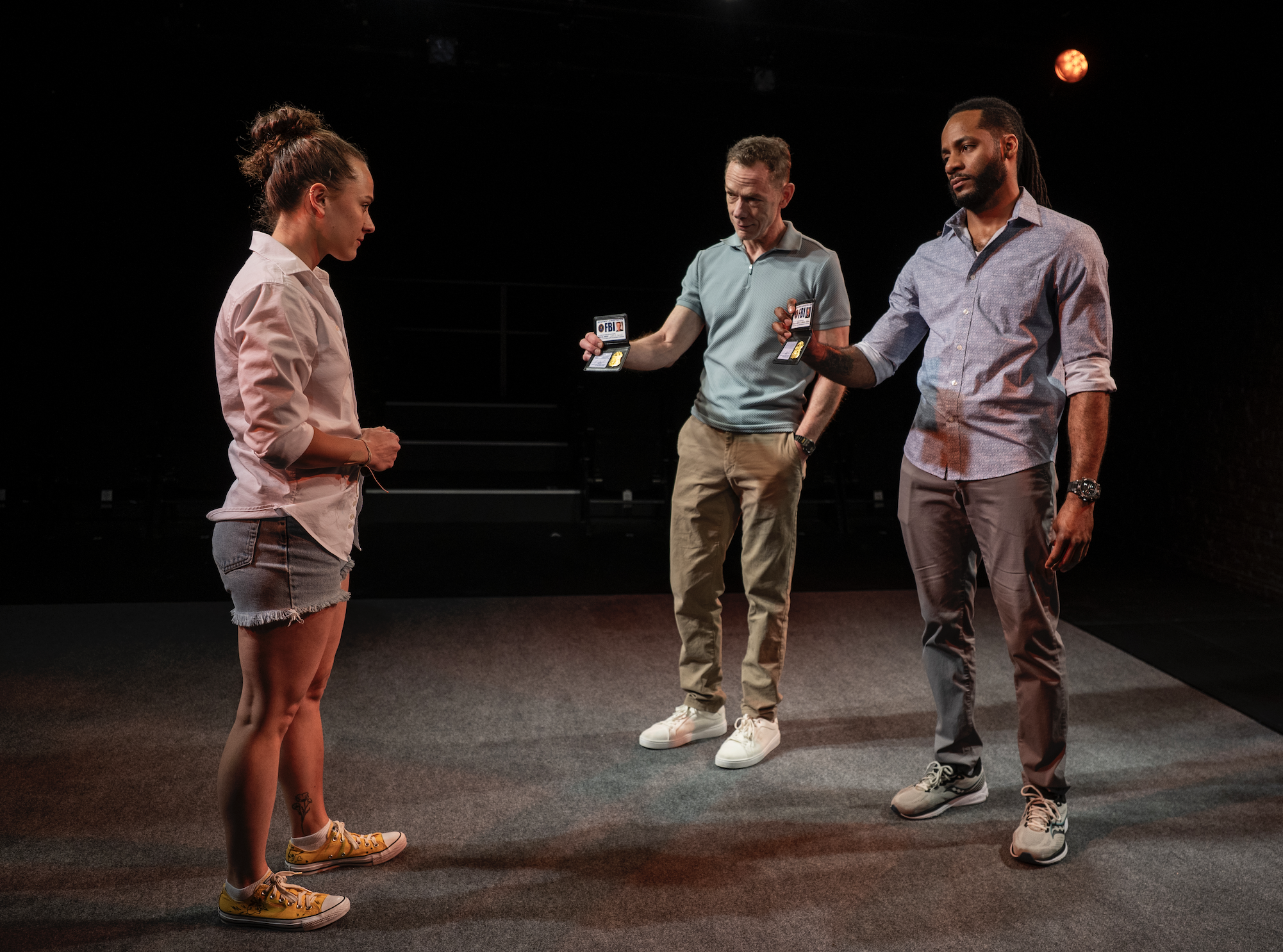
Sunday’s [March 22nd, 2026] Milwaukee Chamber Theater’s performance of Is This A Room was a quick-paced, direct display of what it looks like to play back reality, and the nuances of humanity as they unravel. With no glitz or glamour, no stage, and no boundaries [except for a carpeted zone in the middle of the theater], the audience watches a nails-on-the-chalkboard interrogation of NSA contractor / US Air Force veteran Reality Leigh Winner by Special Agents Justin C. Garrick and R. Wallace Taylor about leaking NSA reports proving Russian interference in the 2016 election.

[Fascinating Stuff!]

Is it really espionage or is it good-ol’ modern whistle blowing with a dash of “Aww Hell No Government; this ain't that?” I would say the latter, but you can be the judge. Regardless of your ability to discern, it should be noted that Isabelle Muthiah [who plays Reality Leigh Winner], Rasell Holt [Special Agent R. Wallace Taylor], and Jonathan Wainwright [Special Agent Justin C. Garrick] had a firm command of THAT room. Every little cough, sniffle, murmur, shifty movement, and darting eye created a tension that was hard to watch but so enveloping that you couldn’t look away. The subtlety of Tina Satter’s original concept & direction of the interrogation transcript, in conjunction with Brent Hazelton’s [Director] MCT execution, requires you to be a silent participant in the intimacy of a lived truth. 

I wanted to scream, “Reality Girl! You have not seen the search warrant yet!  Don’t let them into your house, don’t let them touch anything, and you'd better zip your lips unless you are asking for a lawyer.” Right, wrong, or in the grey. Still, she had rights. But there was no point. It was what the kids call “cringe”. The boundaries of duty to self, country, and populace all blurred into pacing, panic, and comedic doom. [When Mark Corkin interrupted the interrogation, asking for a toothpick, I almost lost my cool. There is no way in real life that a random FBI agent did that . . . but as the transcript goes. YES THEY DID! Smh].  

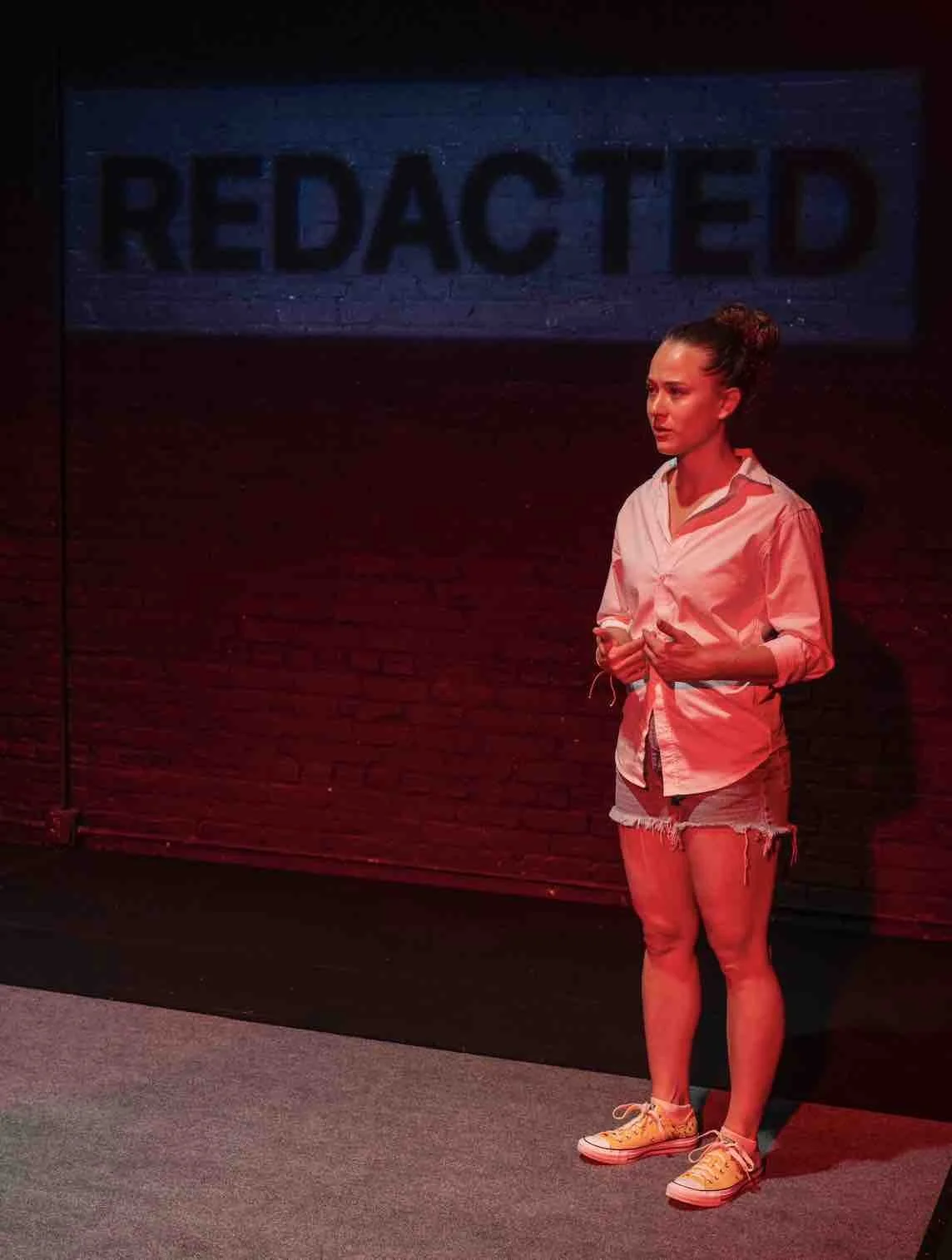
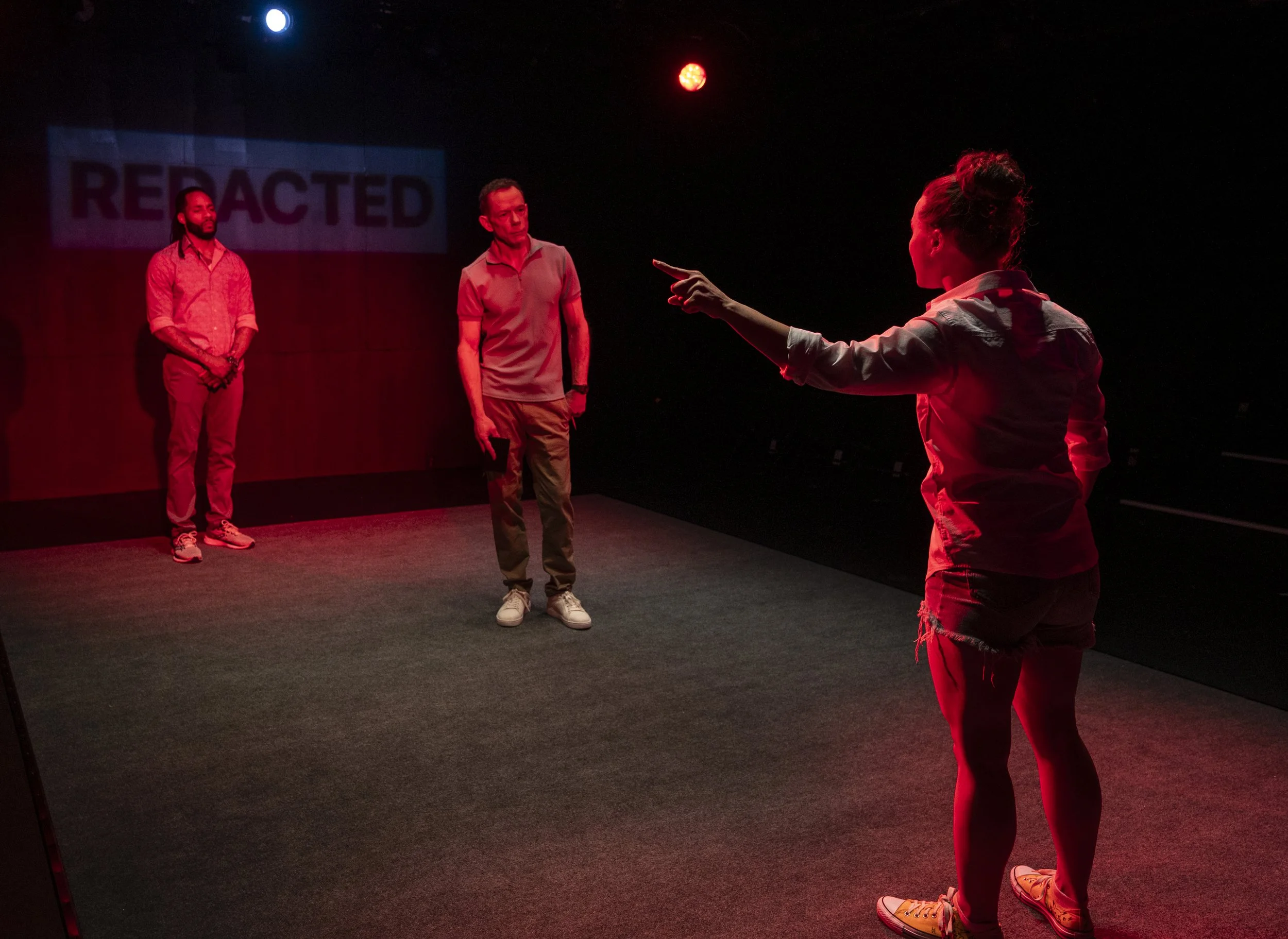
However, the art of this stage act sits deeply where truths are unspoken. The moments where the transcript [& thus the scene] is redacted, the why, the who, [but most importantly] the what is redacted, and red lights flash, the walls flickering with static displaying the word REDACTED. . . That is where mouthing, gesture, movement, and stillness show us that emotion goes beyond words. The ability to take 80 pages of interrogation and turn it into theater, noting that it is real, knowing that this is what happened to somebody's life, seeing that this is our species in all its glory, ultimately knowing that more happened after [prison, election security disclosure, journalistic scrutiny, public discourse on government transparency, etc]. We will never know [unless our society forces governing systems to change] what was redacted. We will never know how those FBI agents really feel unless they decide to reveal that information to the public [and why would they?].

This type of art allows you to grapple with threads of our existence and puts it in front of you to be digested, in a more accessible way, giving you space to sit with it. We can not change the past, but we can make note of where we want to go. But first, we might want to ask Is This A Room we should be in.

Lexi S. Brunson  | Editor-in-Chief /CW


THE LITTLE RED HEN THEORY [& OTHER THOUGHTS]

Before long, all the wheat was ground.

“Who will help me bake this into bread?” asked the little red hen.

“Not me!” said the dog.

“Not me!” said the cat.

“Not me!” said the duck.

I will just have to bake it by myself,” said the little red hen.


Folktales [& folklores] are powerful ways to teach life lessons. I have always subscribed to the tale of The Little Red Hen [Even though my days as a spring chicken are long gone…see, look at me talking like I’m an old goose…but never been a bird brain…. Haha, okay let me stop]. I think it's the whole idea of asking for help, knowing the goal is to create something together, that always hits me [& the disappointment when the need for shared labor is disregarded]. The little red hen had to plant the seed, harvest the wheat, grind it, and make the bread by herself, but in the end, everyone still wanted a piece….& she had to cut that-ish off.

I guess I’m in that season. 

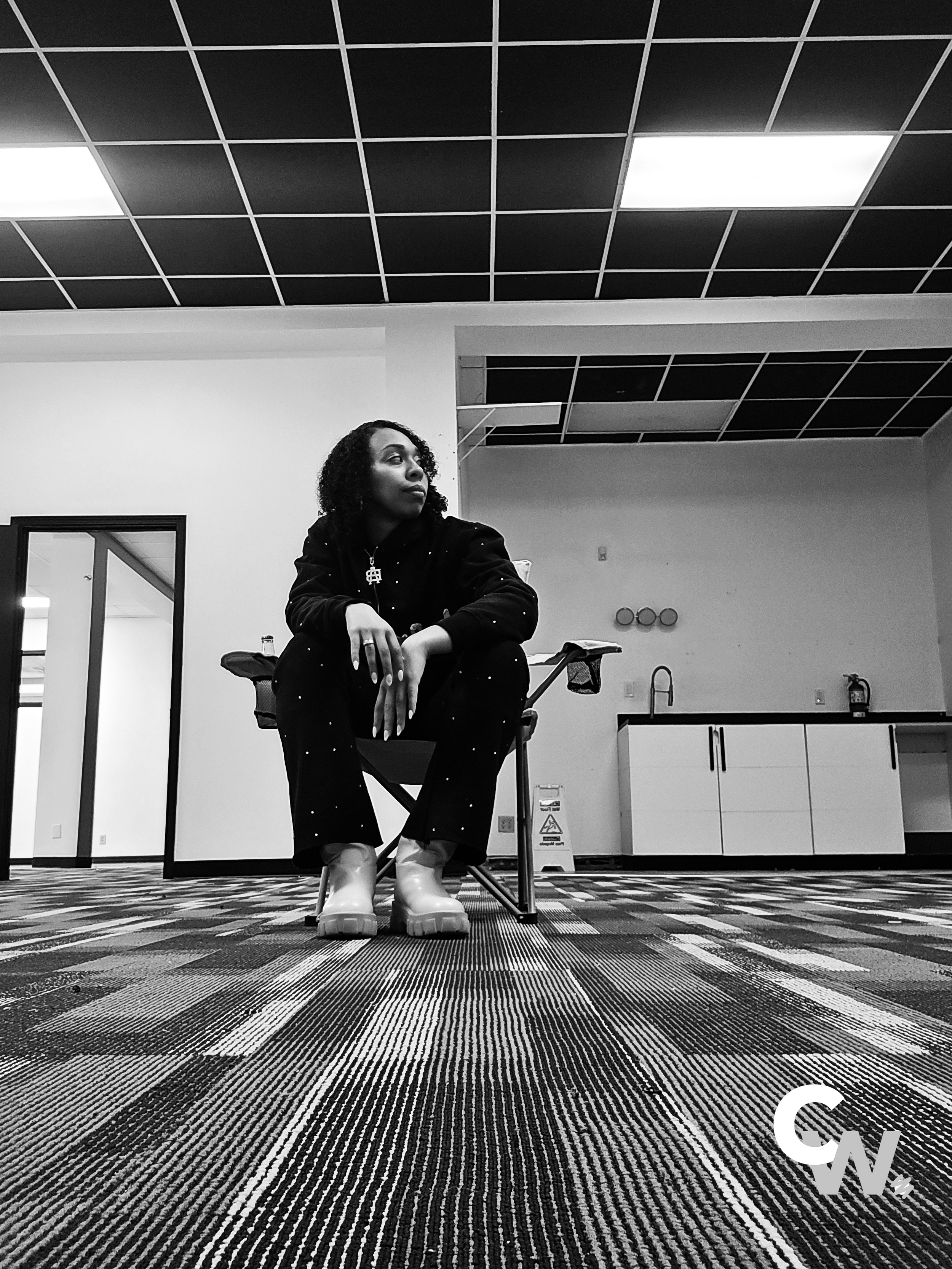
I am writing today’s note sitting in /CW Creative Studios + Shop [as you know it] for the last time. Nothing left in the space but the well-curated carpet tiles, an unassuming acrylic floor pour, a misleading paint job, and some electrical upgrades [including a garbage disposal] that I can’t undo. This was clearly not the plan…

Somewhere between a $150,000 small business loan from a CDFI [that only would give me funds to renovate a building I don’t own], guaranteed by a $100,000 local reimbursable grant [that changed my award to $60,000 after I had spent all the money they had legally assigned to me], and the broken labor agreements [to complex to even break down], her I am. 

I could go on a rant about how the systems have been working over time and how my impoverished upbringing as a multi-ethnic Black woman in America has been doing me dirty from the jump, but it's really the interpersonal relationships that I was counting on to be there when the times got hard.

I guess that's the lesson. I did the work [but I was always going to do it], I just really wanted to do it together. So as I sit alone, I have been thinking about all the convos we had in the stu, all the creatives who walked through the door, all the projects we imagined, but most importantly, the goals and dreams we spoke out loud [& hopefully into existence]. 

I know what it took to get this far. . . I get to proudly say I was there for every part of it, and I will be there until the last loaf of “bread” is “baked”. 

I am just so thankful that the next time I plant a seed, it will be on my OWN land. 

It's a tragedy to take the soul out of a place when you have to go [even though its way better than I found it], but the comedy is…

I STILL ATE &  I LEFT NO CRUMBS. 

/Lexi S. Brunson [the sole proprietor of the LLC]

VOICES OF THE BLACK PRESS: CARVD N STONE IS RETRIEVING THE MISSING PAGE FROM AFRICAN-AMERICAN HISTORY

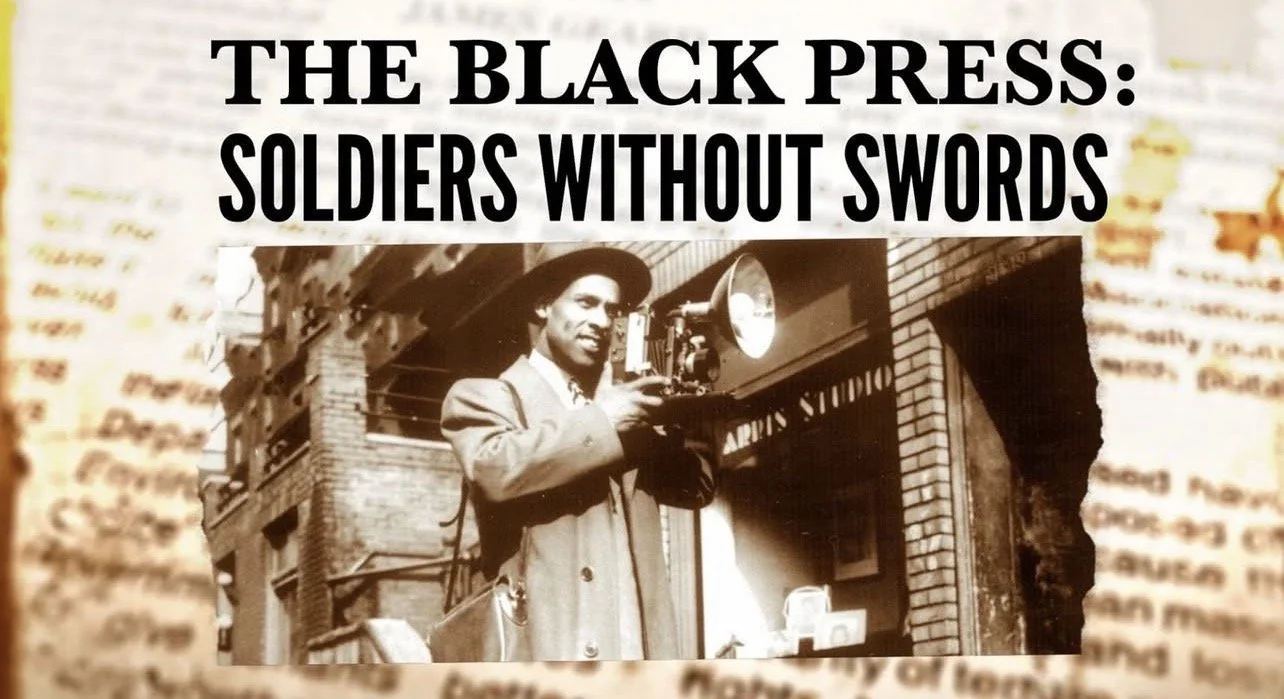
THE BLACK PRESS:SOLDIERS WITHOUT SWORDS DOCUMENTARY BY STANLEY NELSON JR.

For the past fifty years, the profound essence and immense impact of African American history have not only been commemorated but also internationally celebrated. Since the time we were youngins, and our biggest fear was not running fast enough to the swing set on the playground, Black History Month has become anticipated and boldly implemented in our lives. From school theatrical performances, song, documentaries, and curriculum, pivotal and courageous periods of African-American history have been passed down from generation to generation, making it the most heartbreaking yet inspiring chapters in our history books. The initiative to share, teach, and record monumental events carried out by today’s heroes is the foundation of the perseverance and consistency of Black History. However, what happens when the origin of those who wrote, spoke, and illustrated these incredible accounts is not recognized, let alone recorded?

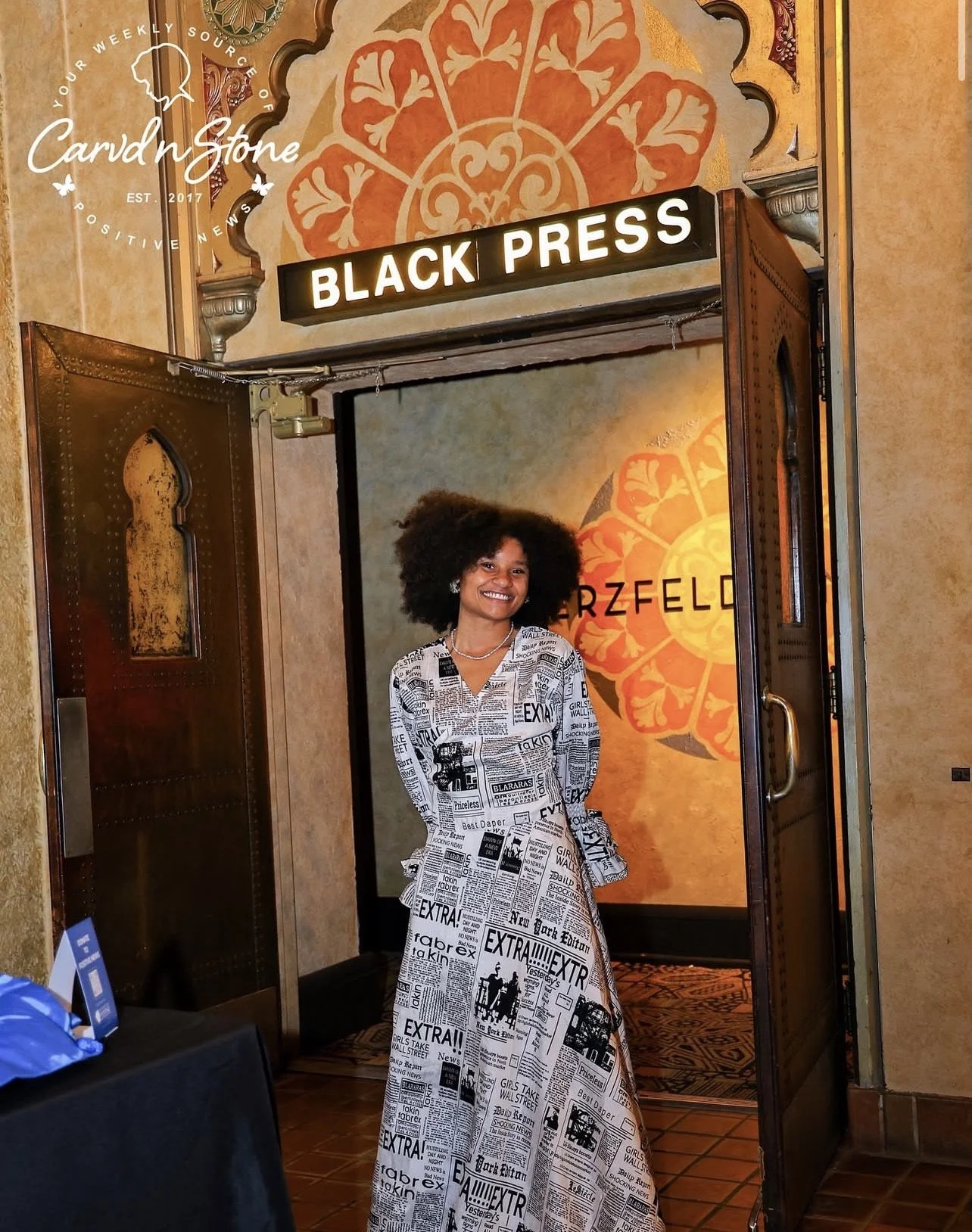
FOUNDER & OWNER OF CARVD N STONE, NYESHA STONE

Last Wednesday, February 11th, 2026, multifaceted news outlet, Carvd N Stone, partnered with groundbreaking arts organization, Milwaukee Film, at The Oriental Theatre [2230 N Farwell Ave, Milwaukee, WI 53202] for a communal event that set the tone for the significance and priority of Black History Month celebrated in the city. As doors swung open at 6:30 pm, Voices of The Black Press, began with a free screening of an extraordinary documentary, “The Black Press: Soldiers Without Swords” followed by a live post-screening talkback with Black journalists and media, some of the most respected and unique faces in Milwaukee media. The purpose both Carvd N Stone and Milwaukee Film had in common when deciding to make this night open and free to the public was to pay homage to the past, while also emphasizing the celebratory and protective state the present and future hold for today’s black press and all who are the driving force behind the movement. For many in attendance, this was their striking introduction to the award-winning documentary created by Stanley Nelson Jr. An abundance of seats were unaware just how extensive and deeply rooted the contribution and history of media was by the bare hands of thousands of African-Americans. This caused much intrigue, questions, and motivation in the audience.

At a time when journalism is evolving, and local newsrooms are shrinking, we must acknowledge the foundation Black press has laid and continue to support the voices carrying that work forward
— Founder, Nyesha Stone

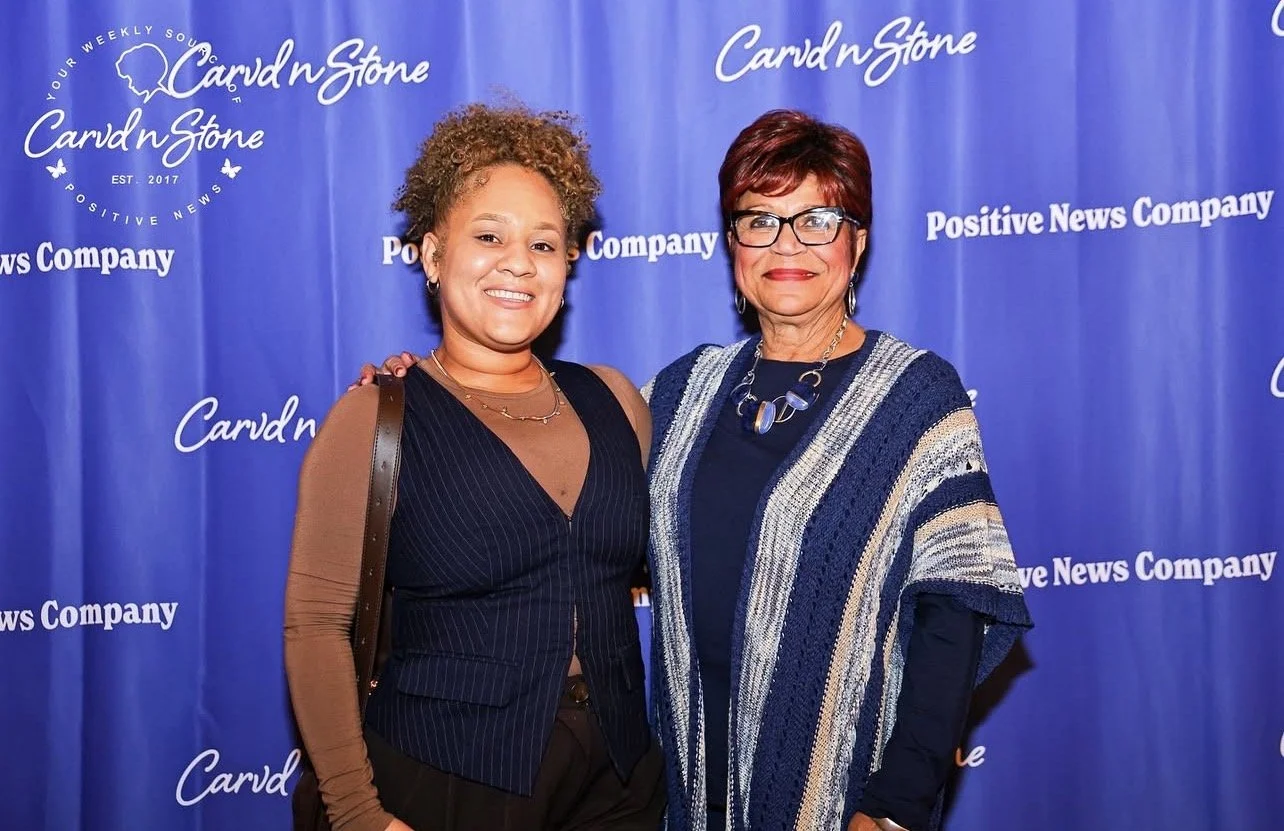
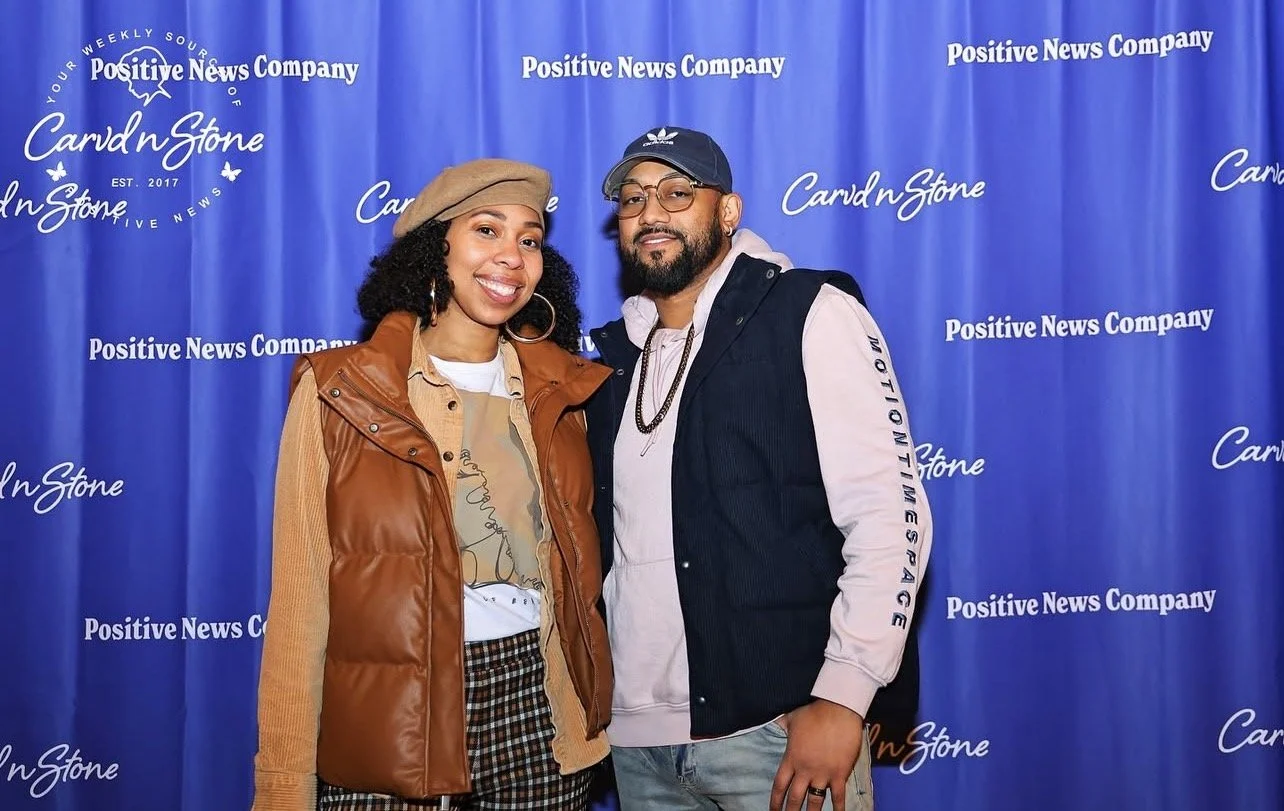
COMMUNITY MEMBERS WHO ATTENDED THE VOICES OF BLACK PRESS EVENT, COURTESY OF CARVD N STONE

Director and creator of “The Black Press: Soldiers Without Swords”, Stanley Nelson Jr’s mission was to create conversation; little did he know the impact and disbelief that would be stirring soon after it was released. This is the first documentary to chronicle the history of the Black press, including its central role in the construction of modern African American identity. It recounts the largely forgotten stories of generations of Black journalists who risked life and livelihood so African Americans could represent themselves in their own words and images. The eye-opening documentary highlights the critical role Black-owned newspapers and journalists have played in documenting history, advocating for justice, and amplifying voices often ignored by mainstream media. The power of the film exceeded the expectations both Carvd N Stone and Milwaukee Film set for the night; cultural storytelling and meaningful dialogue filled the air as soon as the lights came on as the documentary concluded.

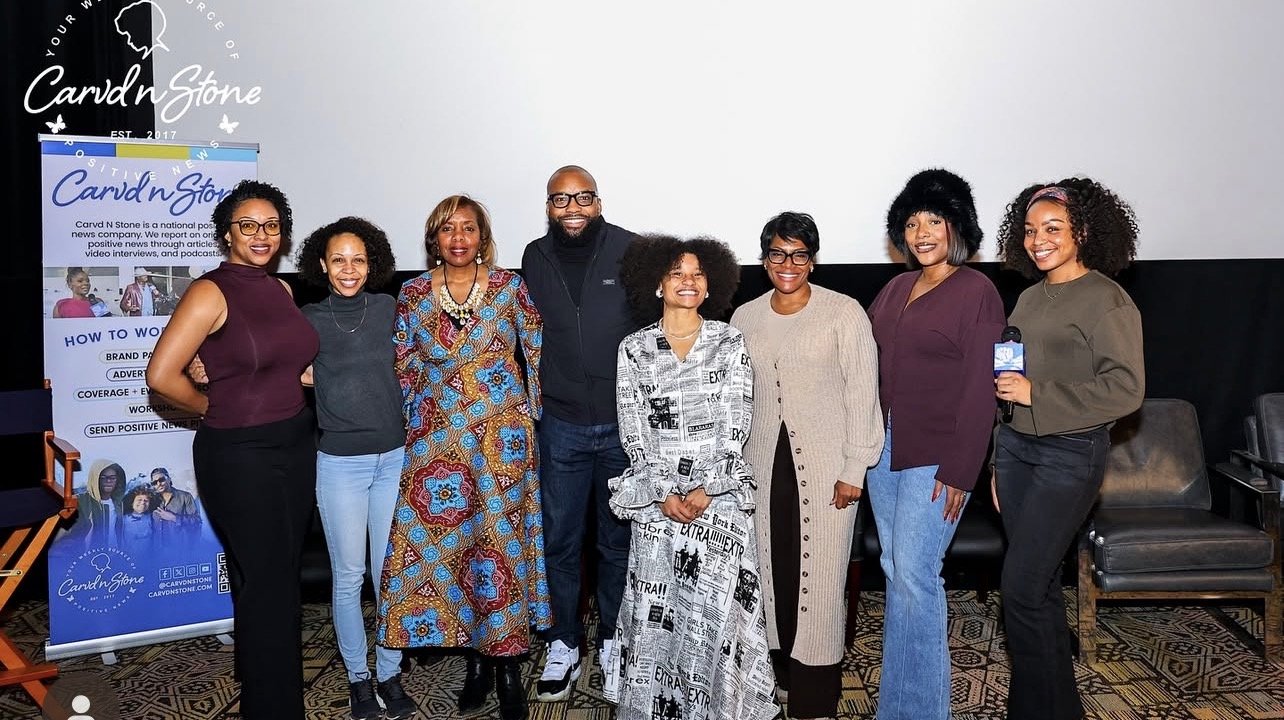
NYESHA STONE WITH THE PANELISTS OF THE VOICES OF THE BLACK PRESS EVENT

Six of Milwaukee’s most intellectual, outspoken, and well-respected faces in the city’s media graced the stage to begin a night of informative yet intentional conversation. The panelists apart of the live post-talkback of “The Black Press: Soldiers Without Swords” included:

Former TMJ4 Anchor, Shannon Sims, President of NABJ Milwaukee, Tannette Elie, Owner of Full Circle Enterprises, Kayla Lewis-Allen, Senior Digital Producer at RadioMilwaukee, Kim Shine, Co-host of Jammin’ With Juice, Carrie Mahone, and Host of Black Nouveau on Milwaukee PBS, and Media & PR Strategist at Northwest Mutual, Earl Arms

One of the most important conversations that was discussed was the overall differences and similarities in why Black journalists and media came into existence, and our stance now. Back in 1976, black newspapers and media outlets were developed because they felt invisible. The births of children, deaths of family patriarchs and matriarchs, graduations, booming businesses, and any other significant event that would spark conversation in the black community were never included in written publications such as town newspapers for them to read. Creating the black press was needed as the gateway to being seen as a human being whose life was just as important as anyone else’s. Many of the panelists shared how writing was something they fell in love with and wanted to do due to the internal mirror of creativity and the gift of words that were instilled in each of them. As the audience asked questions, it dawned on everyone that there is still a need for black journalists and media to not only exist but push our pens even harder so that the identification, history, and future of African-Americans progress and always move forward.

FOUNDER OF COPYWRITE MAGAZINE, LEXI BRUNSON AND PROGRAMMING MANAGER OF COPYWRITE MAGAZINE AND ARTIST, VEDALE HILL ATTENDING THE VOICES OF THE BLACK PRESS EVENT

It was made very clear at the end of the night that black journalists and faces in Milwaukee’s media industry have more power than we know, but also a greater mission that is rarely spoken about. Our pens hold both the weight of the present and future, but also of the past. From articles, interviews, and words displayed with a journalistic and artistic touch are not just stories but strengthen the distribution of Black History and everyone who has laid the framework for us today. Want to experience and learn more about Black History and its roots within journalism and Milwaukee media? Go watch Stanley Nelson Jr’s documentary, “The Black Press: Soldiers Without Swords” on Amazon Prime Video or PBS today! Comment down below what you think the correlation is between having an identity and writing about your experiences. Most importantly, go show love to both organizations that put this wonderful event together, @carvdnstone and @milwaukeefil,m on all social media platforms.

/CW Entertainment & Social Journalist, Desriana Gilbert

SnapShot Press Release | I AM MY OWN WIFE

ALL PHOTOS BY MICHAEL BROSILOW

“It is a record of living...of lives”. 

I may have heard it wrong, but the sentiment still remains the same. The record, the story, the archive, etc is what lives on as a note of existence. It becomes the validation of history and the note of truth. But who dictates what remains intact and what is meant to be forgotten? As a trained/degreed Ethographic Researcher & Lived Archivist [shameless plug], I have spent a hefty part of my adult life listening to people tell their stories from their perspectives. In contrast, this work has also led me into countless hours of discovery in reading rooms, where boxes of documents, images, and other tangible assets hold the “burden of truth”.  From this, I have noted several discrepancies, in which the privileged [of power, money, social hierarchy] are the victors of the narrative [& usually the war . . . any & every war]. Yet, there are more truths, more perspectives, and more realities that should be added to the canon of existence. And the lens of  Charlotte von Mahlsdorf is one of them.

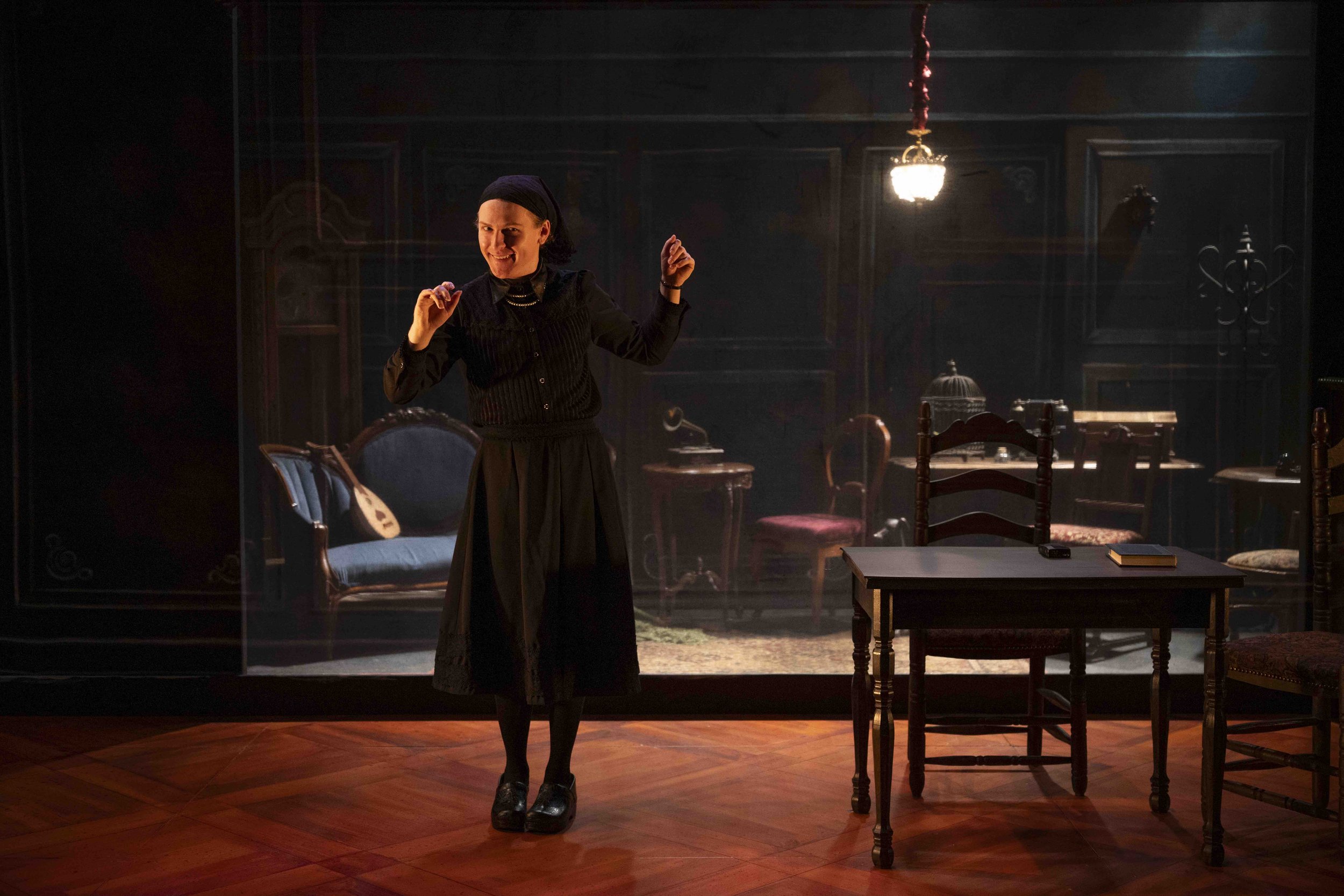
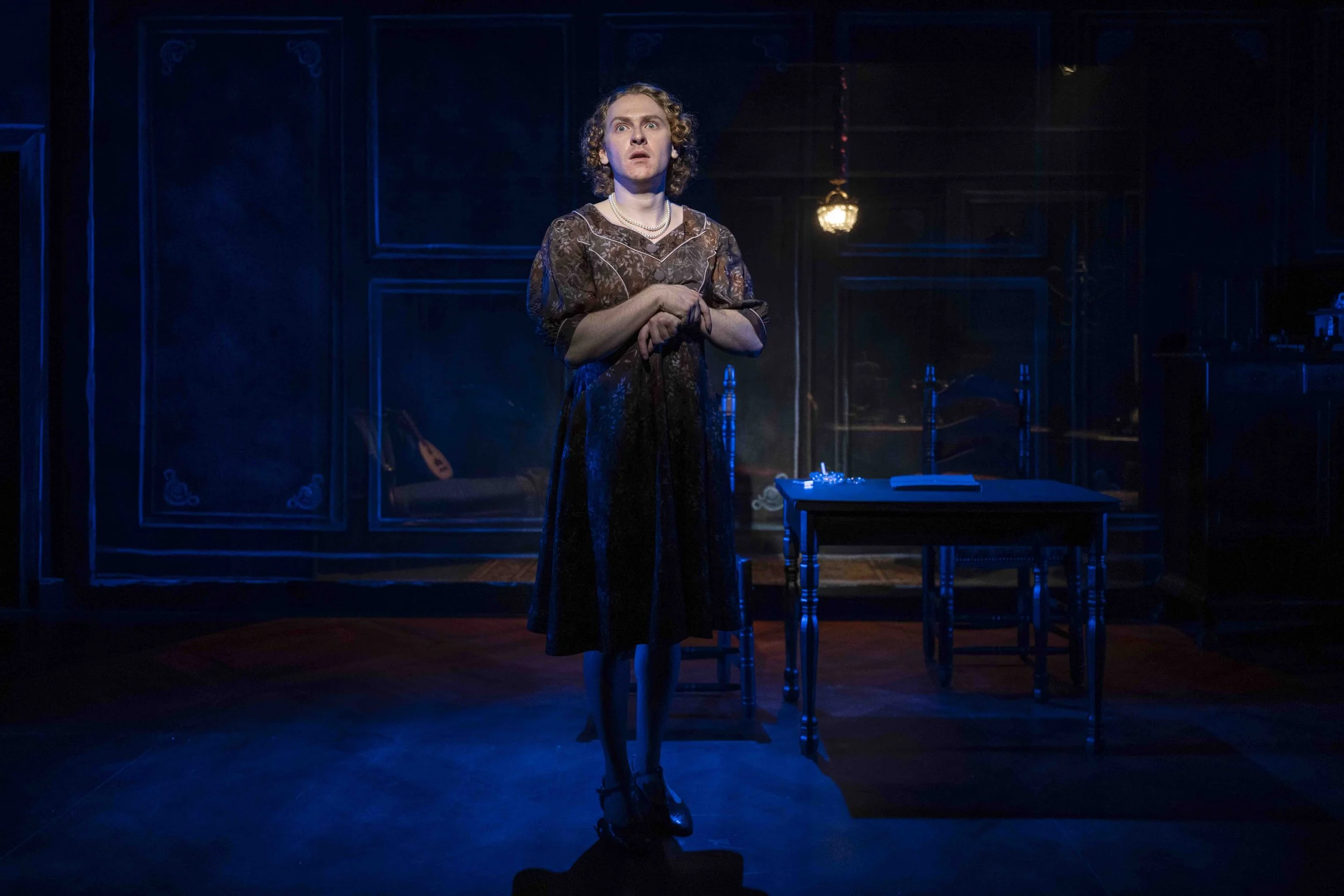
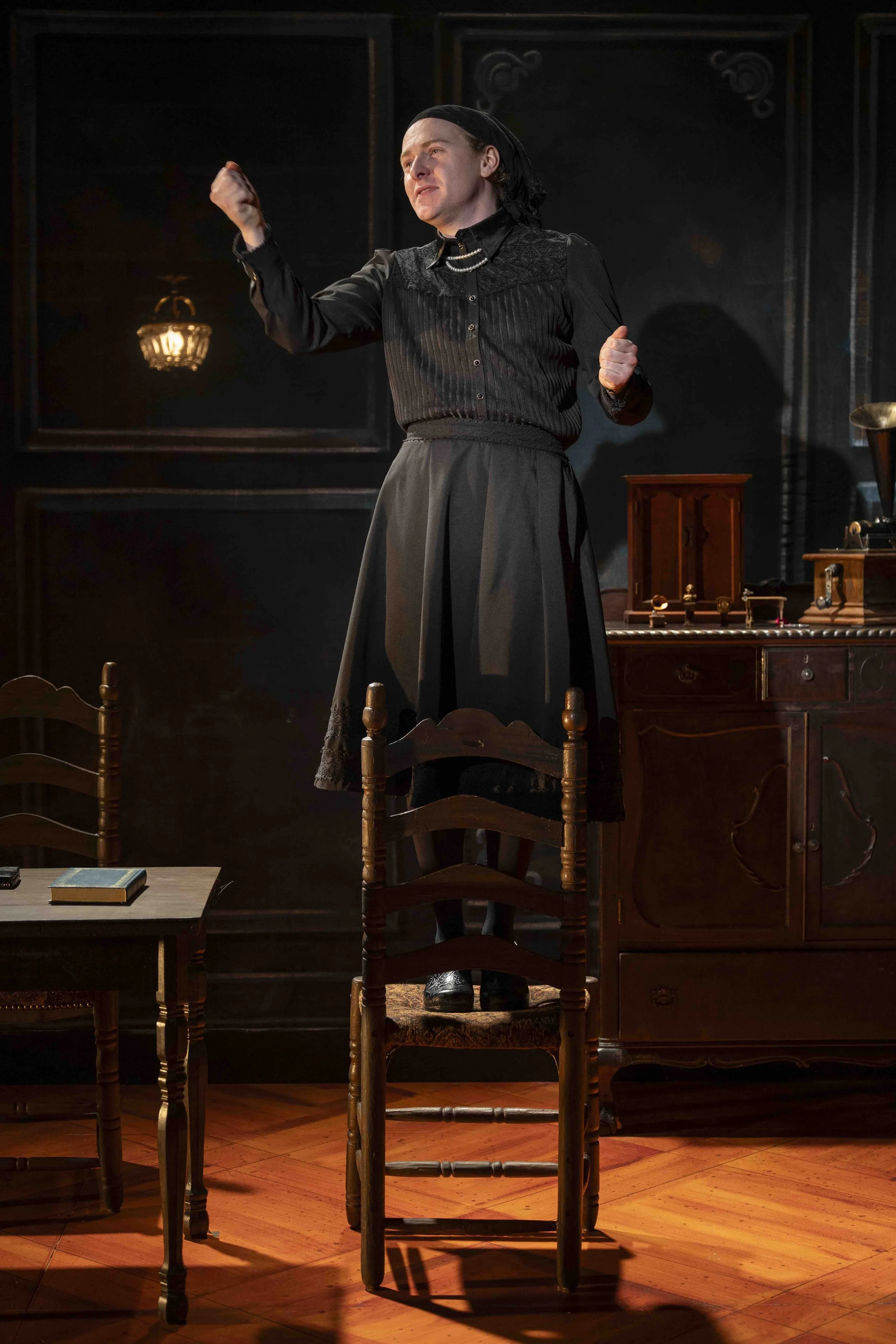
Sunday’s [January 25th, 2026] Milwaukee Chamber Theater’s performance of I Am My Own Wife challenged the record of validation with Jonathan Riker’s performance, taking us through memory, transcript, audio recording, historical narrative, and analysis all at once. Jonathan is Charlotte von Mahlsdorf, as they are John Marks [the American Journalist], Tante Luise [Charlotte’s aunt], a Stasi Agent, Alfred Kirschner [Charlotte’s friend & possible love], Karl Henning, Pradeep Gupta, and the list goes on and on. The play asks us to imagine how a trans woman [Charlotte] could survive Nazi Germany. The terror of inhuman practices of the time, mixed with the social scrutiny of anything outside of cultural dictatorship [sound familiar?], it seems inconceivable. And yet, Charlotte lived. 

There is no surprise here why playwright Doug Wright received a Pulitzer Prize for Drama [2004] for this work of art. As Alexander Coddington thoughtfully directed this one-person performance, you discover the intimacy of interpretation and the subtlety of existing on the periphery of a society that mocks anything authentic. It is in the slight repositioning of the furniture [Charlotte and her furniture], the caressing of small artifacts [to hold a bit of history in the palm of your hand], and the secret bar in the basement [on stage, a glass wall, a preserved scene just like in any museum]. However, it is the undressing on stage to the satin [or was it silk?] slip that did it for me. The vulnerability that is Charlotte, that is Jonathan, that is the body, that becomes a question of access, of denial, of performance, of practice, of potrail. . . we watched. We watched as she/they/them [all of them] stripped themselves of the ensembles that are often used to define roles, gender, and status in society. A patterned dress, a modest black skirt with a matching blouse and headscarf, a bold red coat, and the prisoner's sweater. And then again, we watched as they dressed themselves. In this garb, to be seen as this being, as if what we saw underneath had changed [Had it changed?].

As Riker shows us range with thick German accents, more than one American dialect, a full spectrum of femininity and masculinity, you believe that they are all these people. You believe that Tante Luise sees the young Charlotte's need for queer affirmation as he notes his own position as a trans man. You believe John Mark's anxiety as a journalist when Charlotte’s Stassi file contradicts her anecdotal recollection from her interviews. You believe that Charlotte fears her abusive father with his threat to kill her mother & siblings. You believe that this lens, this truth, this archive, is as rich as all the ones that have dominated our way of seeing for far too long, and here any embellishment, any uncertainty, any fantastical note, is just as plausible as the policy propaganda the powers that be say is “truth” [new regime, same fugazi]. 

There is more to say, but I think anyone who walks into the lion's den and lives to tell about it deserves to share their side of the story. 

If you believe in humanity, if you believe in inclusivity, if you believe in thought-provoking theater, and if you believe in art that resonates and informs its audience with threads of contemporary [& historical] rhetoric that values more than the status quo, grab your ticket to see I Am My Own Wife.  

[& well if you don’t believe in those things, I will say it on the record . . . F*ck you!]

Lexi S. Brunson  | Editor-in-Chief /CW

YOUR INVITED! Civic Studios: The Creative Exchange

A WORD FROM CULTURE X DESIGN:

Civic Studios is a creative platform where media, community, and public life intersect. Rooted in the belief that storytelling is a powerful civic tool, Civic Studios uses creative production to explore how we live together, address shared challenges, and imagine better futures for our communities.

It is both a forum and a studio: a place for dialogue and a space for making.

The Creative Exchange is its quarterly showcase, spotlighting new ventures, emerging projects, and the creatives shaping Milwaukee’s cultural and creative future.

Through short presentations, conversation, and networking, it creates space to share ideas, elevate new work, and build connections that move creative projects forward.

Whether you’re a creative entrepreneur, cultural organizer, media maker, or community supporter, this event invites you to experience innovative projects before they launch, connect with emerging creative leaders, engage in thoughtful dialogue about creativity, culture, and community impact, and grow your network in an open, welcoming civic space.

Meet our creatives:
- Shannon Sims, Mic’d and Ready Media
- Element Everest-Blanks, The Culture Plug
- Kellen “Klassik” Abston, Independent Artist
- Dante Nash, Avra
- Lexi S. Brunson, Copywrite Magazine
Join us to discover bold ideas, connect with creative leaders, and build meaningful relationships in a space where creative work becomes civic work.

NOT SORRY WE'RE CLOSED | 2025 /CW REFLECTION

Some. Not all of it.

When? Now. More? Maybe later.

Available? Absolutely! For those who know on a need-to-know basis.

Is this code? Naaaahhhhhhh, you may just need to read a little closer.


LEXI’S REFLECTION:

Image by Boutique Photographer Linda Smallpage 

Unbeknownst to me….

[Haha, I just felt like that was a random way to start a reflection.

Unbeknownst to me, 2025 would be the reckoning of disillusion. The stubborn bull-headed Taurus I am would have to stop chewing on my dandelion in the field and show my horns to those whom I never wanted to see them [I hardly use them anymore]. 

I have to admit, for years, I have been misinterpreting the people around me & my role in their journey. When someone says they are passionate about something, I always imagine them approaching it with the same gravitas that I have. To pour into one's craft [even when nobody is watching], to want to learn about it from many perspectives, to be dedicated to its growth…nurturing it…doing the parts you don't want to do, so you get to bask in the parts that make your soul glow. 

Listen, my truest and deepest apologies…I don't have the ability to steward anyone who is unwilling [or unwanting] to perform their own growth labor. It's just not a talent I have. This year SHOWED me that words without action don't serve. And the thing is, that I believed people when they said they WANTED, that they WOULD. So that's a reality that slapped me in the face! [Hard to…left a little mark]. I had been making space for what could serve others in their passion journey, and I had disregarded how to maintain my own [in the way that would still bring me joy]. A lesson that has a $100,000 price tag….Weeeeeeeeaaaakkkkkkkk!

So as I sit on the 28th day of December, closing out a year, a space, a 22-issue dynasty [a forever thing], I hear the mumbling of people asking, “Well, what are you going to do now?”...

To that, I answer:

  • Focus on me & mines.

  • Focus on my other careers [Professor Lexi is thinking abroad & Interior Designer Shawty would love to help you personalize your space for a better quality of life…and baby, I'm good at it].
  • Focus on being a muse [no explanation needed]. 

  • Focus on the parts of CopyWrite [the pulse] that bring me joy [archival media…so the future won't forget]. 

  • Focus on living….¡Pura vida!

Nothing profound. IYKYK.

/Lexi, the CREATOR of /CW


IMANI’S REFLECTION:

It never occurred to me that the way I can compartmentalize my thoughts and emotions would be the leading factor and armor of “taking life to the chin” this year. I won’t introduce myself by misleading with advice about how being “strong” through the hard times will be beneficial or the strumming of your heartstrings with the  “Things will be better soon” line that is often opted in for fluff. Truth is - it’s all subjective. You set the pace for your healing. I think the most important part about this year is realizing the beauty of choosing to stay who you are when you have every reason to get lost in everything else, everywhere around you. We lose things all the time but what fun is it if you’re offering yourself up to something that you're bigger than? Life is guaranteed to get difficult - so it should be guaranteed that you’ll get creative. I learned that your emotions can’t be bigger than the program. You can leave a small piece of yourself in those moments of initial grief but never let it be anything that will anchor you in that space. To me, for me – this year has been a random tsunami of riddles and paradigm shifts. I am – unsure of how to begin to describe the experience and whirlwind that comes with losing a parent but hopefully, you find yourself and your families safe this holiday season with a lot more time than I had. 
How much time is that? 

How much time was that?

Riddles,

Imani for /CW


DESRIANA’S REFLECTION:

The world has always been my revolving literary playground from every experience and interaction, making several notebooks and pencils a safe and comforting space where writing became second nature. Being the new kid on the block of CopyWrite (if you’re like me and want to call one year in newbie material), to an acclaimed and household name filled with heavyhitters all around, I assumed every article, interview, and research project would serve the identical function of bringing everyone else’s visions and upcoming projects from the drawing board to real life; however this year I wasn’t expecting the creative dissect that led to a intricate and unforeseen transition unfolding before my eyes. Standing in an abyss with the foundation of change, pivoting, and the overwhelming feeling that the I’m only one who didn’t leave home, journalism began wearing unfamiliar faces and circulating fresh and unique purposes I never knew it identified as. Each assignment felt different than the process I used before, even in how I would approach and ideate them. Experience was the biggest anchor for me. From interviewing legendary idols not only from Milwaukee, gaining trust for monumental assignments, walking into rooms I never thought I’d be in, and being offered opportunities I wasn’t even aware had my name attached to them, while struggling constantly with what my true creative value was, I had a battle within myself this year. When looking around and not seeing the faces you used to aid with their creative projects; you feel as if you no longer have purpose at home; but then it struck me that I now had to step up and bring my own ideas and visions to life as a creative. From fashion shows, flights, and galas my mind has rotated countless ideas to create. The intensity and endless joke about one’s identity being attached to creativity is that the party never ends; your brain constantly forms ideas and you always remain a creative, even when it seems you’re being pulled away from it through certain seasons. I learned that I have to stop playing it safe and follow through on my own thoughts, goals, and ideas creatively. This year was filled with accomplishments I rarely took in for myself as well as the one and only CopyWrite Magazine. I fell in love with in-field work as I was constantly experiencing new places, people, and communities for journalism. 2025 was the eye-opener and journey back home as well as to why writing is second nature to me and how /CW being my home consistently challenges me mentally and creatively. 2026 will be the year where I hold myself accountable and stop hiding behind others’ vision and pour into my own creativity just as much as I would support others with theirs in the past. 

It’s time to get to work and stay out of the comfort zone that I was suddenly removed from early on in the year; with /CW as the forefront of my creative responsibility and fresh new playground where opportunities are endless and my thoughts can be amplified.

Desriana Gilbert | Entertainment & Social Journalist for /CW