You are invited to LEGACY NIGHT @ The Milwaukee Chamber Theater | Hosted by CopyWrite Mag

BLACK PEOPLE IT IS TIME TO TAKE UP SPACE!

INFO FROM OUR COMMUNITY PARTNERS AT MCT


We invite Black and African American community members to join us for Legacy Night on March 22 at 7:30 pm, a special performance of THE MOUNTAINTOP by Katori Hall hosted by CopyWrite Magazine [THATS US!] dedicated to and celebrating the Black community.

What is Legacy Night?

The intention behind this event is to purposefully create an environment in which a Black audience can experience and discuss this play about a Black leader, created and performed by Black artists, in a space that celebrates the Black Community and centers their perspectives.

Legacy Night is inspired by a similar event created in 2019 by actor and playwright Jeremy O. Harris, where for the first time ever, every seat in Broadway’s Golden Theatre was occupied by Black audience members. We're calling this special performance Legacy Night not only because legacy is one of the major themes within THE MOUNTAINTOP but also to honor and celebrate our Black and African American community and the legacy we hope to create together in Milwaukee. 

What if I'm not Black or African American?

We encourage our non-Black audience members to join us in honoring this initiative by choosing to experience the play at another performance.

We thank you in advance for supporting these artists and MCT as we facilitate an opportunity for a community to come together to enjoy this special event. 

Ticket Options

Legacy Night Tickets are $20 (plus sales tax and box office fees).

Purchase Online

You can purchase tickets online by clicking the button below and using the code LEGACY. You will need to enter the code in the "Promo Code" box at the top right corner of the Broadway Theatre Center ticketing page and click submit before you try to select the date. The Legacy Night performance will not show up until you have submitted code LEGACY.

GET YOUR TICKETS HERE

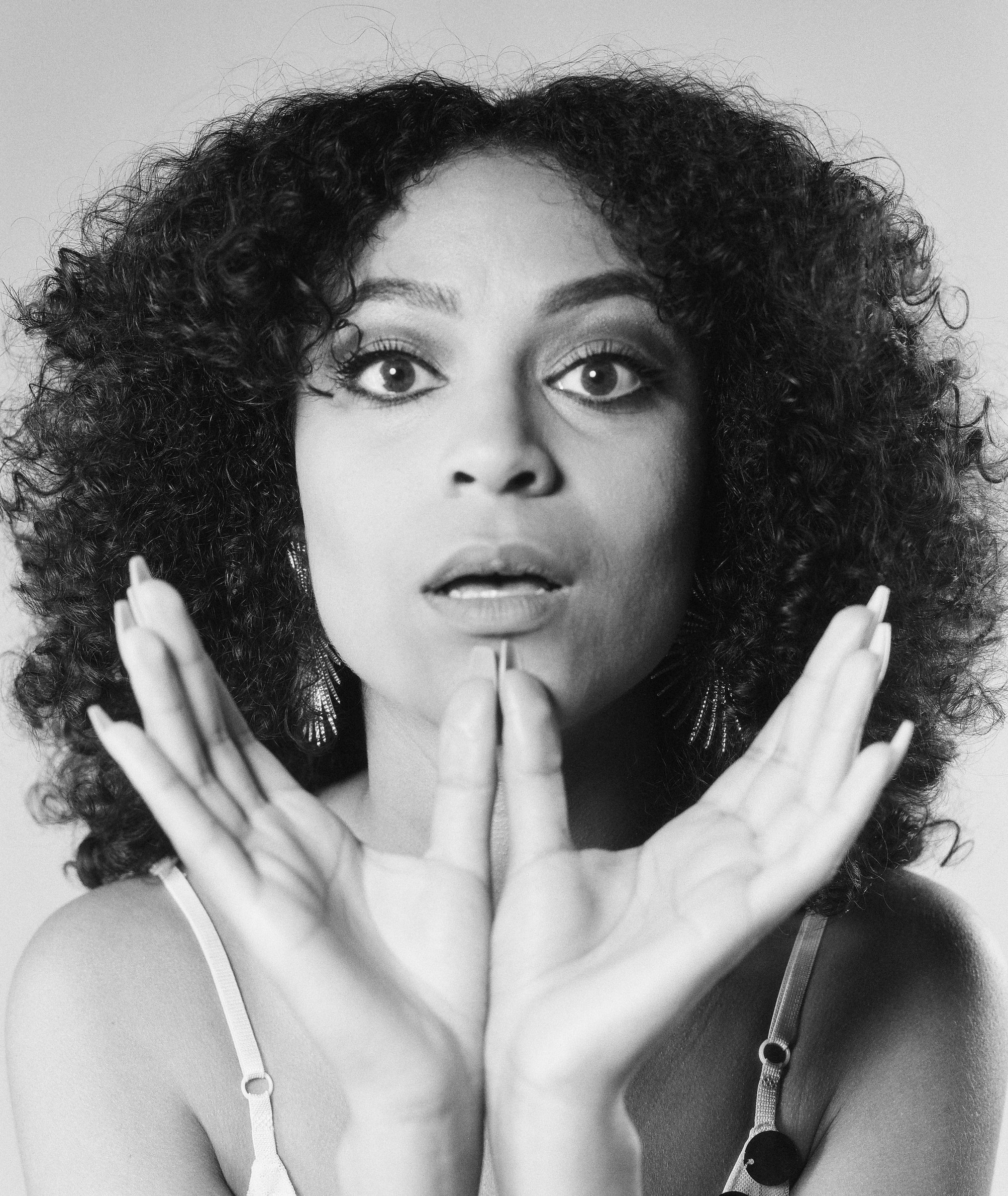
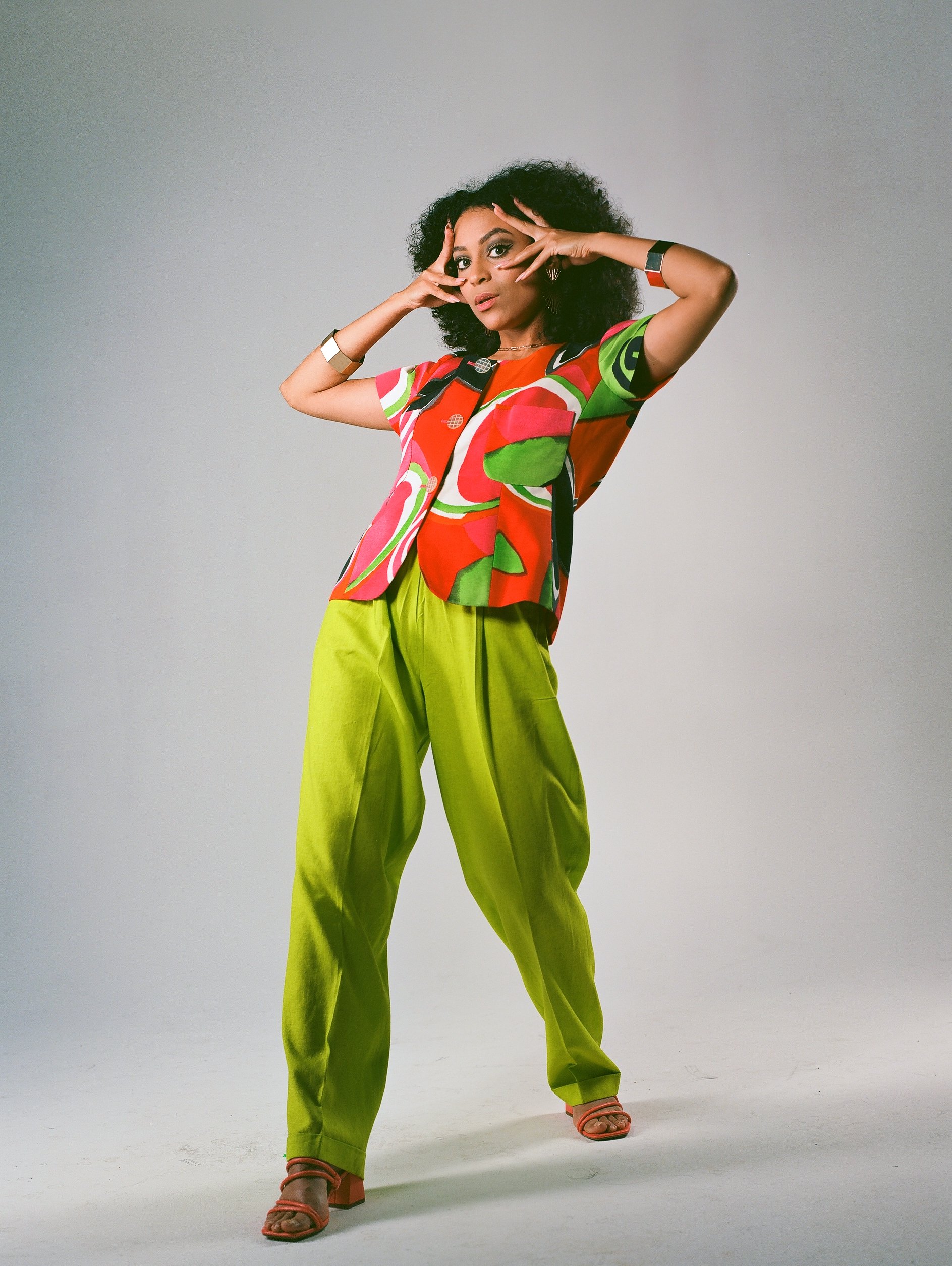
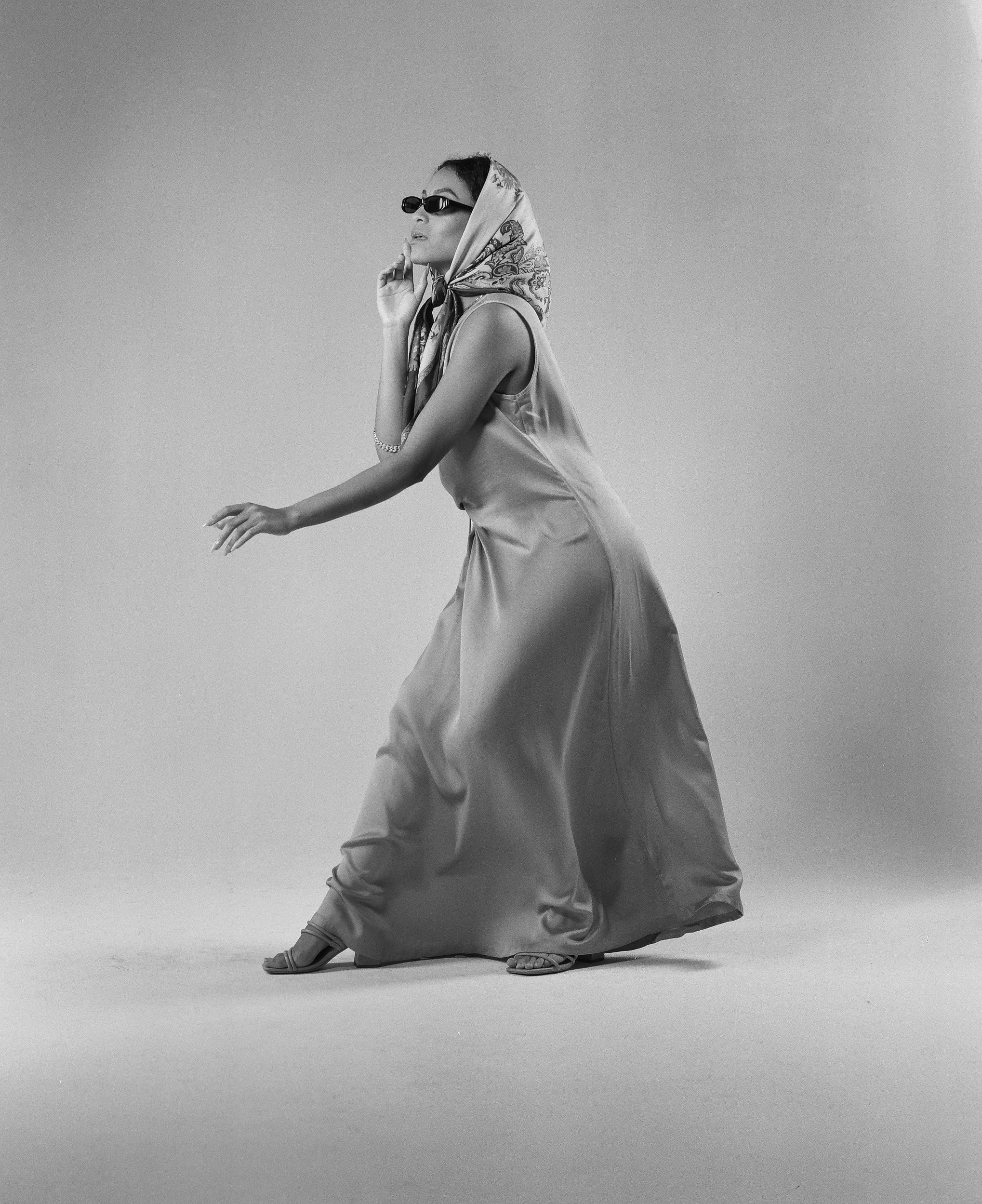
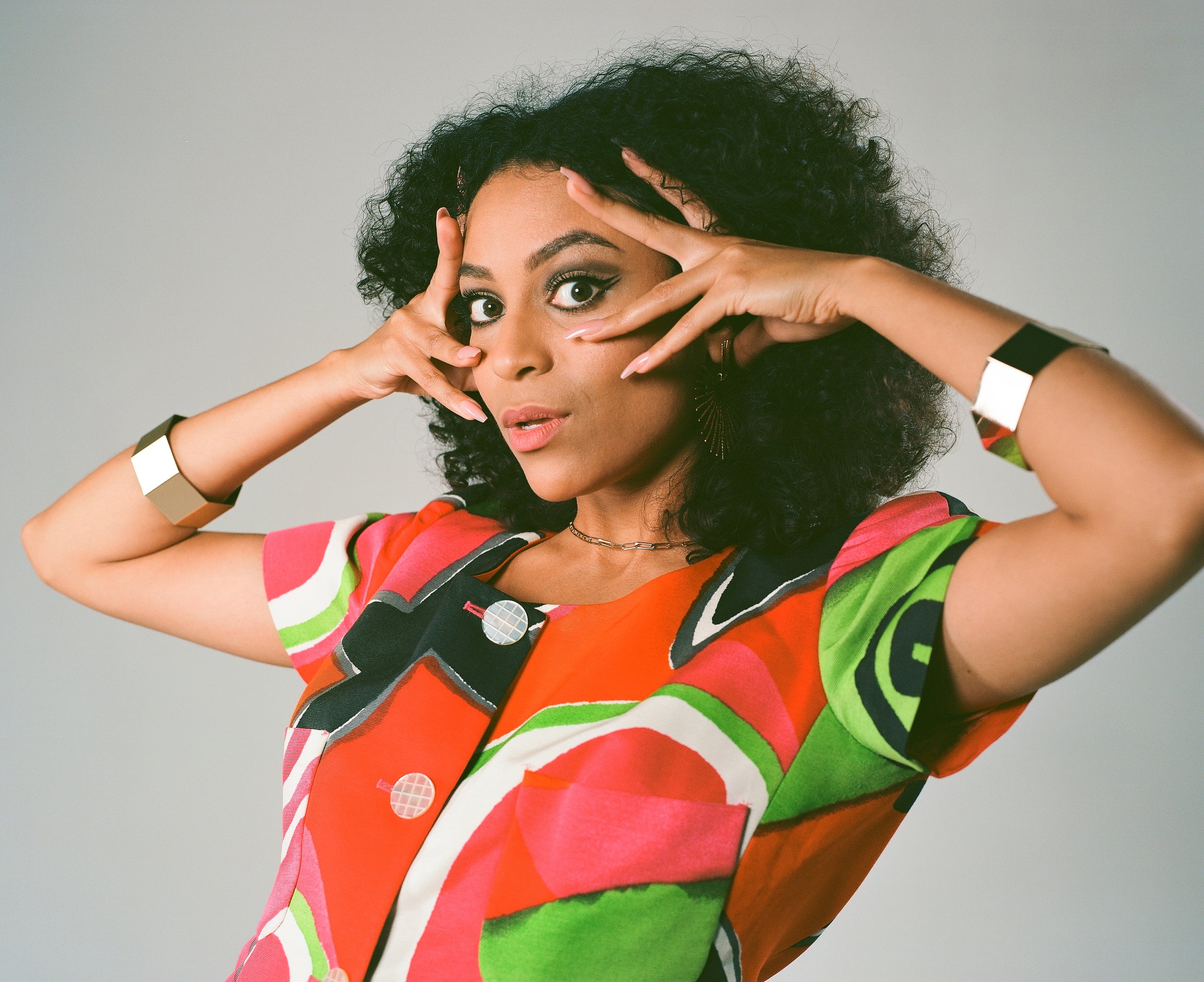
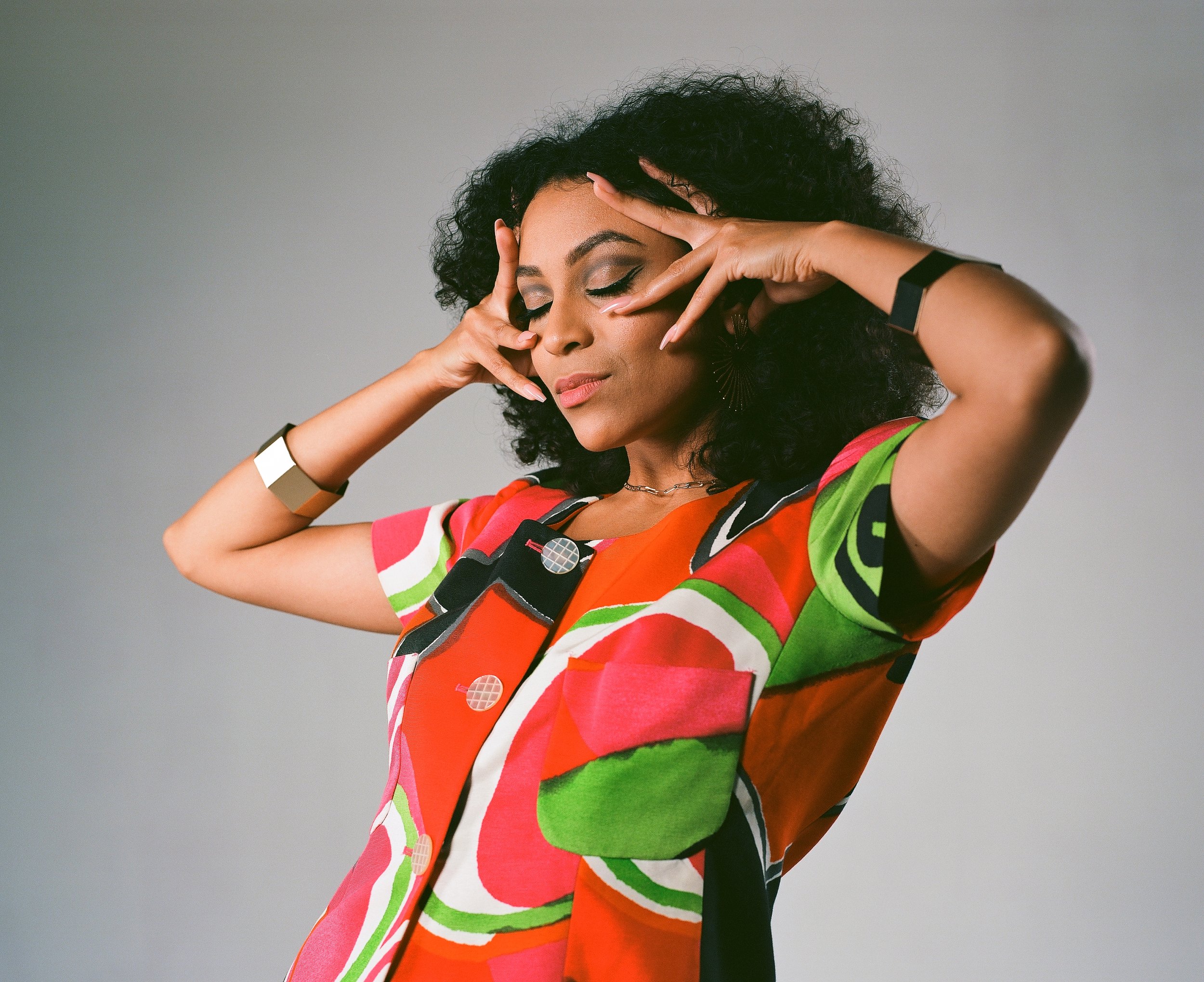
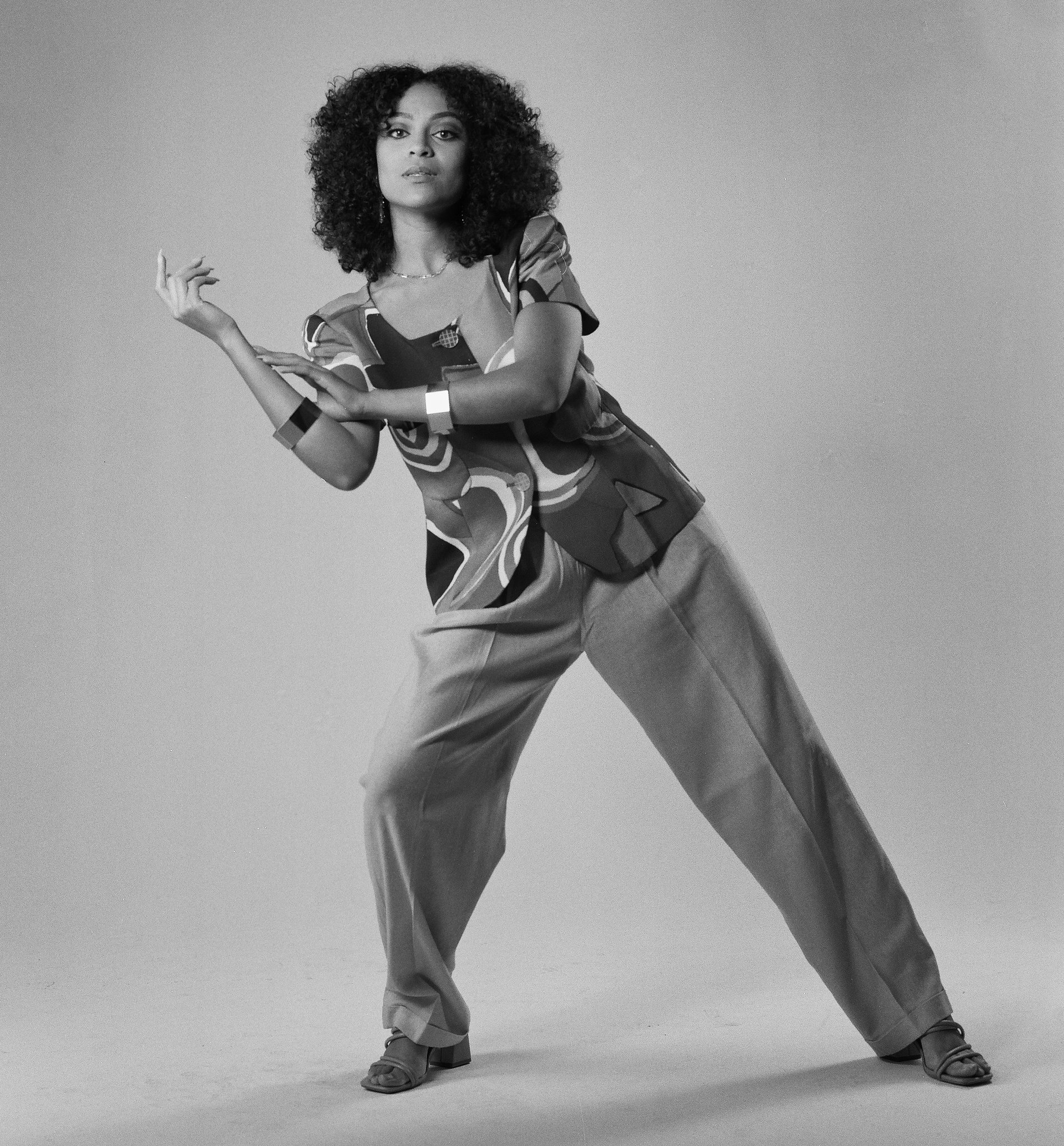
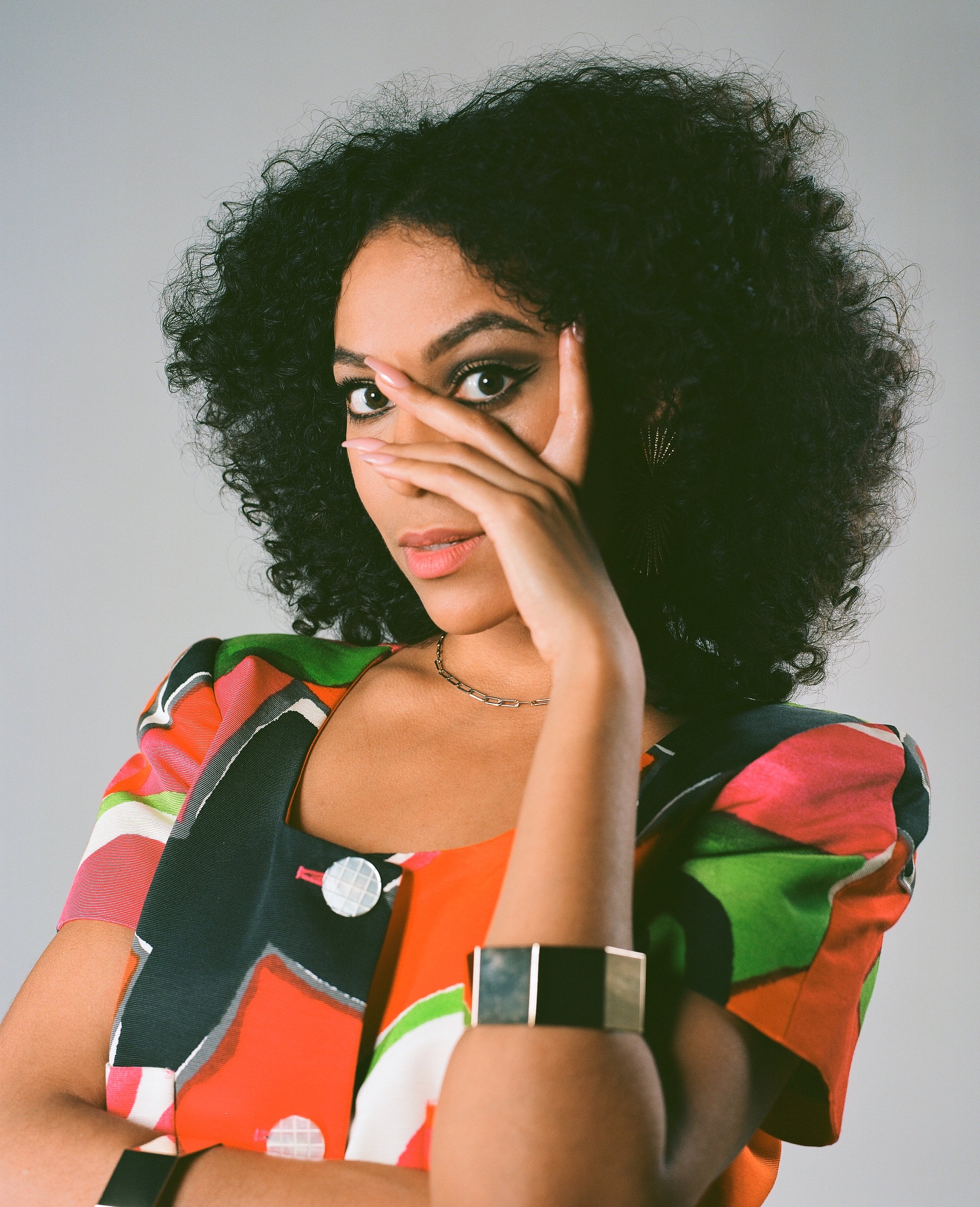
Donyale Luna | What Does it Mean to be a Black Supermodel | A Fashion Experience by Sydnie Beason /CW Style Editor

Donyale Luna: Breaking Barriers in the Fashion Industry | Until the 1960's, European beauty was acknowledged as the professional standard in the fashion world. That is until Donyale Luna entered the scene becoming the world’s first African American Supermodel, Luna introduced diversity to the industry by presenting her beautifully distinct features as well as her unique outlook on life. She stood up for black women who had not been represented before in fashion and won the world over with her charm.

A Tale of Two Worlds: From Detroit to Europe's Runways Reflecting on her time modeling in Europe, she contrasted it with her upbringing in Detroit, where she felt her looks were not appreciated. Her striking appearance was not lost on everyone, however; Verna Green, a fellow student at Cass Technical, remembered her as unforgettable, yet Luna remained unaware of her beauty. Her fashion sense was simple, opting for black skirts and long-sleeved tops. Sadly, she was ostracized for being different and speaking and looking differently at Cass Technical. Luna recalled, "I grew up realizing I was strange." Despite this, she achieved a significant milestone in 1966 by becoming the first African-American model to grace the cover of British Vogue. She paved the way for young black girls to be authentic in their imagination. She captured the essence of how unique black beauty really is.

Sydnie Beason for /CW

Check Out the pdf spread for more

Like what you see?

check out the BTS for this fashion experience.

Want to hire /CW for your next style or fashion experience? Hit us up at copywrite.mke@gmail.com | Attn: Fashion Department

What Vaule We Share: MKE Film Back History Month Programming | Shorts: TREASURED HEIRLOOMS

Happy Black History Month!

Happy being Black, living in Black bodies, and living Black truths!

As a Community Partner for Milwaukee Films 2024 Black History Month Programming, the /CW Fam selected screenings that we thought would speak to our audience and our specific cultural nuances. 

My experience watching the collection of Treasured Heirlooms shorts, was one that absolutely filled my culture cup reminding me that what we value in the Black community [with all its intersectionality] should be shared and celebrated. I note this as I am in the infancy of producing one of my own art installations that discuss culture as a proponent of space, thus creating a place [stay tuned]. Marquese May's curation of six short films of treasures, was dynamic and telling of voices we may know but reluctantly share outside of our community. I applaud programming like this because it allows the African diaspora to be seen in the light it deserves. Here are the values I would like to share from each film.


WILD MAGNOLIAS |  Dir. Alexandra Kern

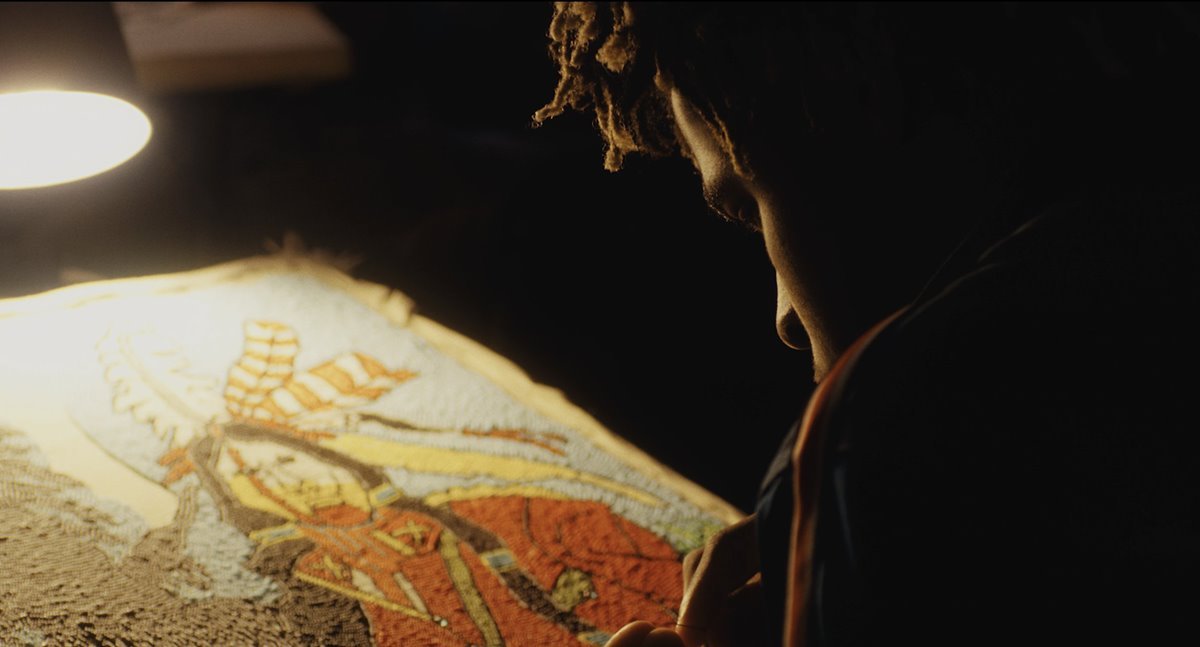
We don't get to talk about culture that has been cultivated in appreciation and in proximity to other cultures. Wild Magnolias shows an appreciation between Native American practices and African Americans in Louisiana. The link of these people is due to colonization and enslavement but it is a link that is vital to the survival of both peoples heritage and history. The bead work and visual storytelling in the garbs the Wild Magnolia Men [and young men] created were breathtaking, showed true skill, and showed historical narratives that the white gaze [don’t try to tussle with me] has tried to erase. Not only have the bloodlines mixed genetically [I would know from my own lineage] but also the archive of survival can not be told without mentioning the other.

This is the value of ancestry we share.

MORE THAN HAIR | Dir. Fitch Jean

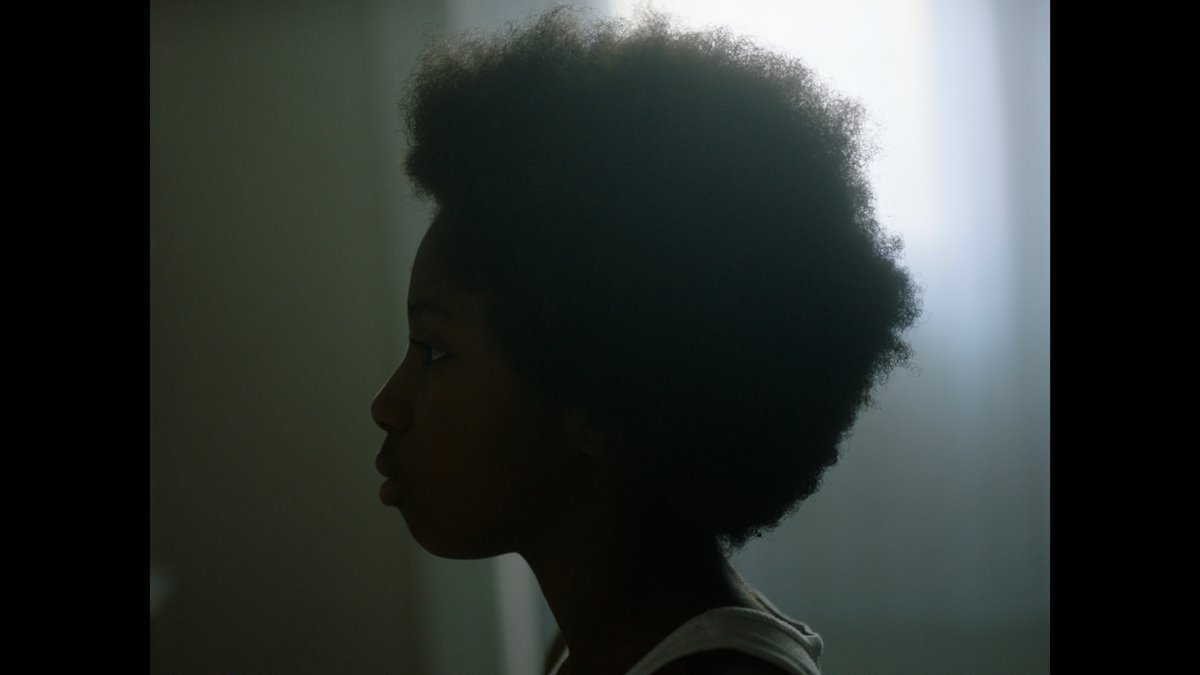
Hair is sacred. How we manage our crown is how we manage the world. I have never been able to truly describe why or how but the complexity of Black hair [All Black hair] should be considered a world wonder. More Than Hair, is a heart moving peace because it pulls at the fragility of the Black hair experience. Not knowing, experimentation, acceptance, and revelation. I teared up when he sat down in that barber shop with his adopted mother [blessings to her for seeking the help he needed]. When he turned the pages of the hair catalog I smiled with excitement for the endless possibilities. When he picked cornrows I knew he had discovered that his hair was worth keeping.

This is the value of hair we share. 

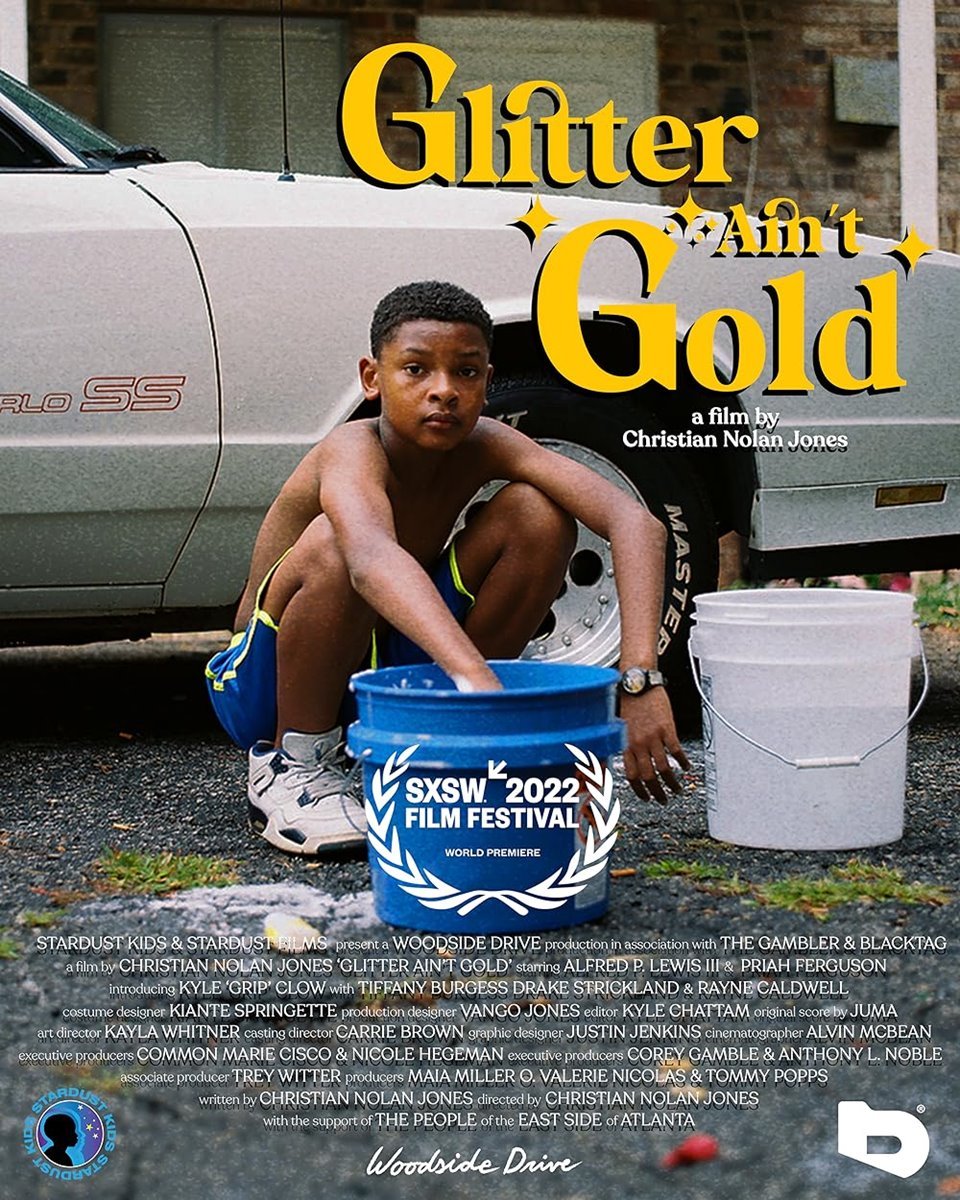
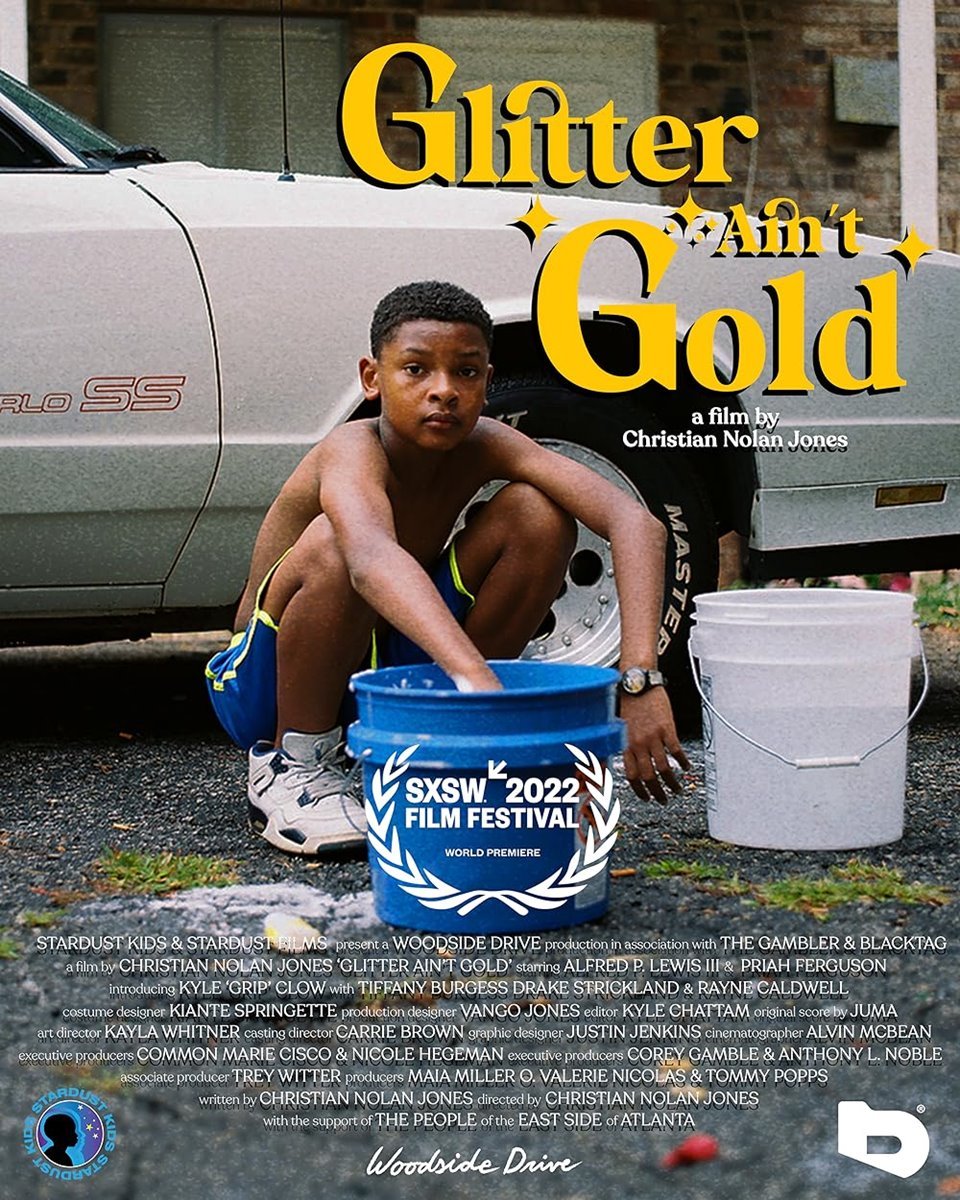
GLITTER AIN'T GOLD | Dirs. Christian Nolan Jones and Dominick Cormier

Ornamentation is our birthright! The value that the Black community places on aesthetics should be looked at as an obligatory reflection of existence. From historical narratives, we know that our adornments were stripped from us during the conquest of our land and the enslavement of our people. Our markings, garb, and emblems were always signs of our identity and status. So when baby boy worked hard to get that money for that chain to impress that little girl I was proud of him. But when he discovered that material things won't always suffice I empathize with his longing to be seen and admired by those he admires. We carry our worth. We want to be recognized for our worth. 

This is the value of adornment we share. 

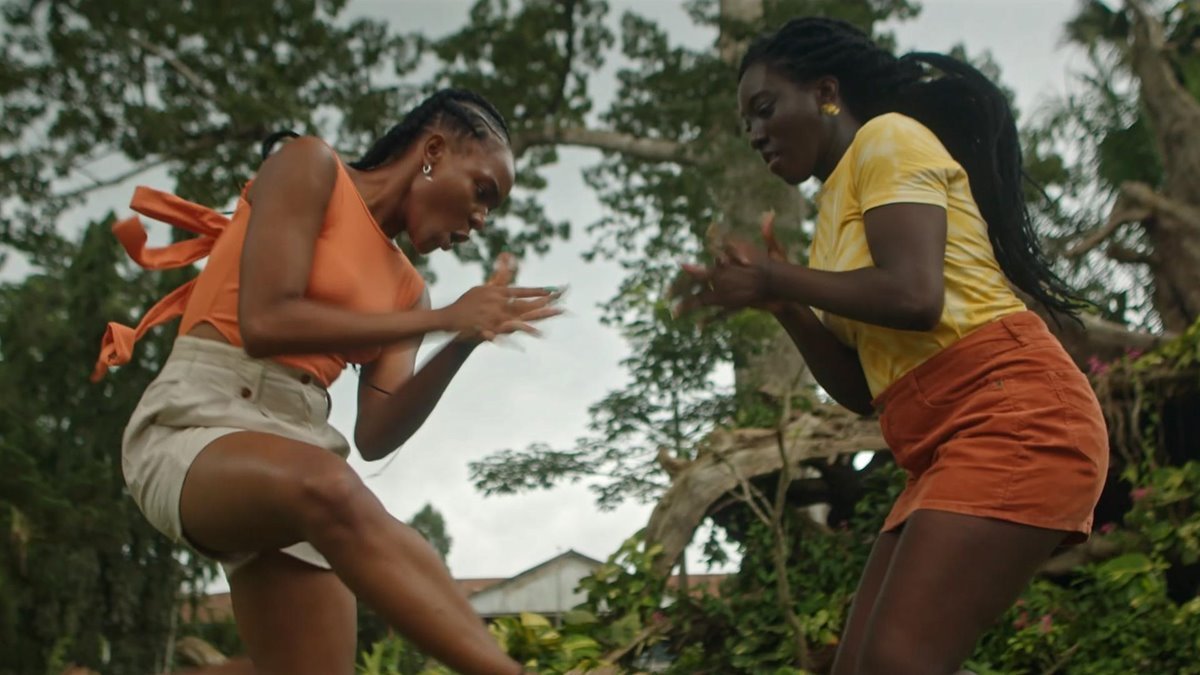
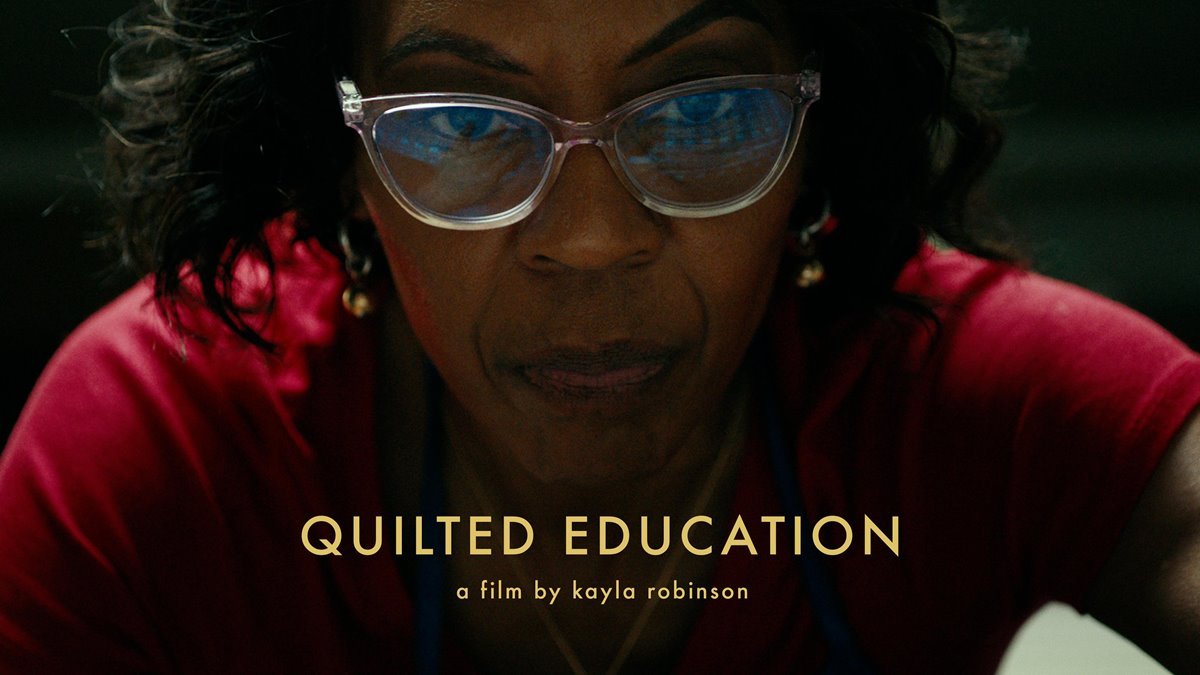
Other films shown during the screening included, QUILTED EDUCATION  [Dir. Kayla Robinson], OVER THE WALL [ Dir. Krystal Tingle] and AMPE: LEAP INTO THE SKY, BLACK GIRL [Dirs. Ife Oluwamuyide and Claudia Owusu]. These films too showed the value of archiving our history, representation in spaces less traveled for our community, and how the practices of our youth may help build the skills needed for strong futures. 

I value my Blackness in its performance, its lineage, and its legacy. 

Thank you for the reminder that it is all to be treasured and shared. 

Lexi S. Brunson | Editor-in-Chief /CW

Learn more about MkE Film Black History month screenings

"Renaissance" | Milwaukee Film Screening

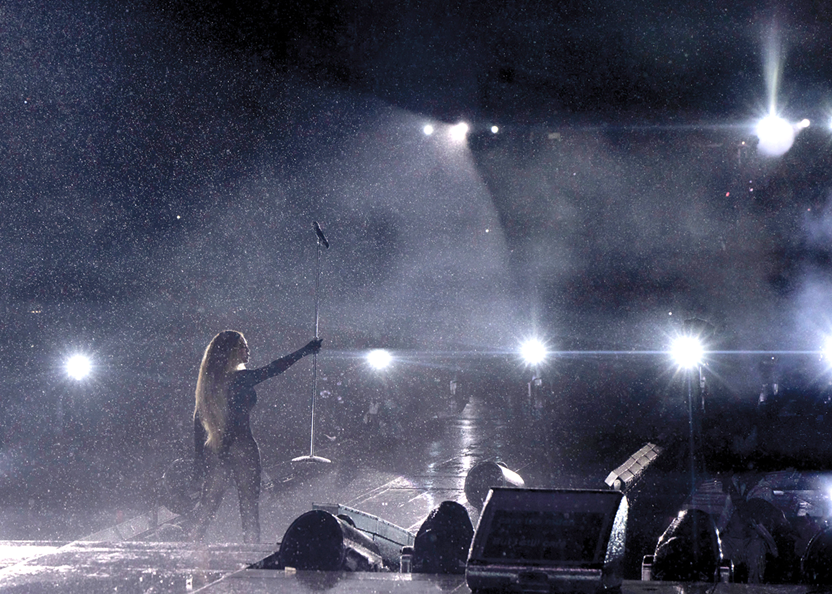
Beyonce’s “Renaissance” film proves to be the model for all concert films! This grand, 3-hour production masterpiece was four years in the making and as I sat in the third row from the big screen at The Oriental, I could tell that not a day was wasted.

“Flaws and All'' & “Dangerously in Love” was the opener and despite its history as a declaration to a lover, in this particular performance, Beyonce allowed herself to be in awe of the moment and sang it as a ballad to her growing audience of almost 30 years and shared some words of affirmation along with it. She was dressed in an ethereal black gown in the first scene which complimented the romanticization of the mutual admiration between herself and the fans, yet it also could be seen as a tamed contrast to the otherworldliness of her later outfits- symbolic of her growth from a pop star to world declared icon. Through her catalog, she humanizes this journey with flashbacks of behind-the-scenes development consisting of aches, pains, hands-on construction, harsh hours, and properly giving out flowers to all who had a hand on this tour. Even to those whose smaller parts have had a great impact on her, like her daughter Blue Ivy, who did not shy away from the stage nor from having a creative opinion. The standard was the method for all to adopt and this large collective crew of artists and otherwise showed true to it by their results. There was positivity depicted in wins of all magnitudes and mishaps that only highlighted the true nature of teamwork and leadership; Trust. However, with being human comes the not-so-great reality as well. A piece of that reality, which may easily be overlooked by many whom it may not concern, is that no matter how many victories your method has produced, being intelligent as a black woman creative doesn’t put one out of range from having ‘them’ (yes ‘them’) attempt to try you mentally. When approached with such bravado, Beyonce’s only response was fearlessly remembering to choose to stand in her own authority rather than giving into the regret of the so-called stigma of being assertive with high demands. Who's to say how long it has been that Beyonce has truly felt within herself the courage to see through to getting her way at all times and at all costs but mastering that commitment can make an established art form to those on the outside feel renewed to the one inside.

As narrated and depicted through and through, the Renaissance is not just an era or a stage, it's a transcendence of a culture and the individuals in it. As the most catered-to audience (haha-wink), the African Diaspora, whether they be man, woman, straight, LGBTQIA+, adult, child, African or Black American, and so forth, vicariously experienced the glamor of our multifaceted culture through time via this tour. It is a great hoorah! moment for all leaving no question that Beyonce is a voice for every creed and that the modern approach is historically unapologetic.

/Naomi-Re’a CW


/CW is a Proud Community Partner of Milwaukee Film's Black History Month Programming

Art by liv burks

We are going “BLACK to BLACK” with Black History Month Celebrations. /CW is a Proud Community Partner of Milwaukee Film's Black History Month Programming. Check out the last of films we cant wait to see!

FOLLOW US ON INSTIGRAM FOR YOU CHANCE TO WIN 2 TICKETS TO SEE ONE OF OUR COMMUNITY PARTNER FILM SCREENINGS.

@copywritemag


GAINING GROUND: THE FIGHT FOR BLACK LAND | 2/29/24 | THUR. 7:00PM

In just a few decades after the end of enslavement, Black Americans were able to amass millions of acres of farmland. Today approximately 90% of that land is no longer in Black hands. Various factors have been employed to take Black land, including violence, eminent domain and government discrimination. But it is a little-known issue — heirs’ property — that has had a devastating effect on Black land ownership. Gaining Ground: The Fight for Black Land is a timely and stirring documentary from Emmy-nominated producer/director Eternal Polk and Al Roker Entertainment that examines the causes, effects what is being done to fight the exploitation of these issues, and how landowners are reclaiming their agricultural legacy and creating paths to generational wealth.

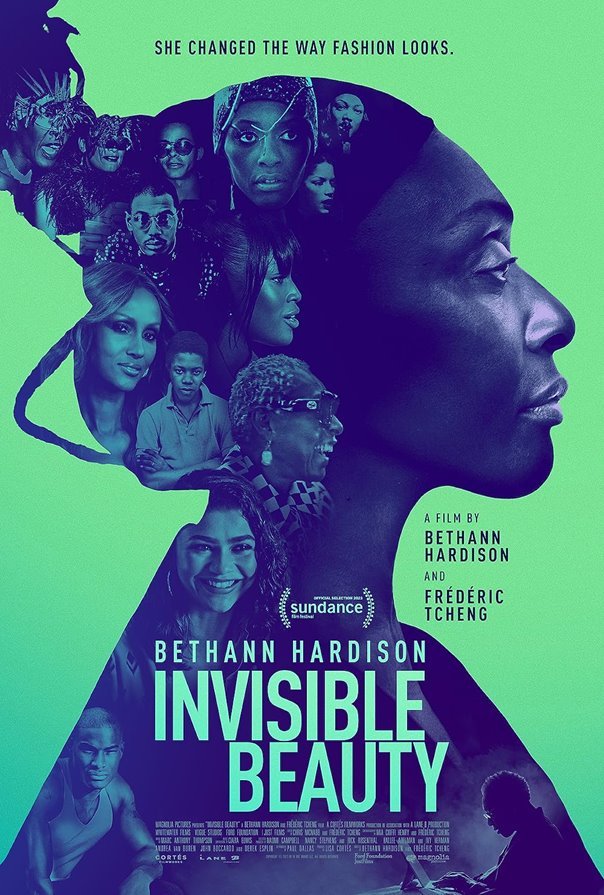
Fashion revolutionary Bethann Hardison looks back on her journey as a pioneering Black model, modeling agent, and activist, shining a light on an untold chapter in the fight for racial diversity. From walking runway shows alongside Iman to discovering supermodels like Tyson Beckford and mentoring icons like Naomi Campbell, Hardison has been at the epicenter of major representational shifts in fashion. Catalyzing change requires continuous championing, and as the next generation takes the reins, Hardison reflects on her personal journey and the cost of being a pioneer.

In tandem with Frédéric Tcheng (Halston, Dior and I), Bethann Hardison and her co-director trace her impact on fashion from runway shows in New York and Paris in the ’70s to roundtables about lack of racial diversity in the early 2000s. Interviews with industry players speak to the state of fashion, while friends and family attest to Hardison’s rebellious and ambitious spirit. The film is an absorbing record of Hardison’s accomplishments and a rare contemplation on the life of a radical thinker.

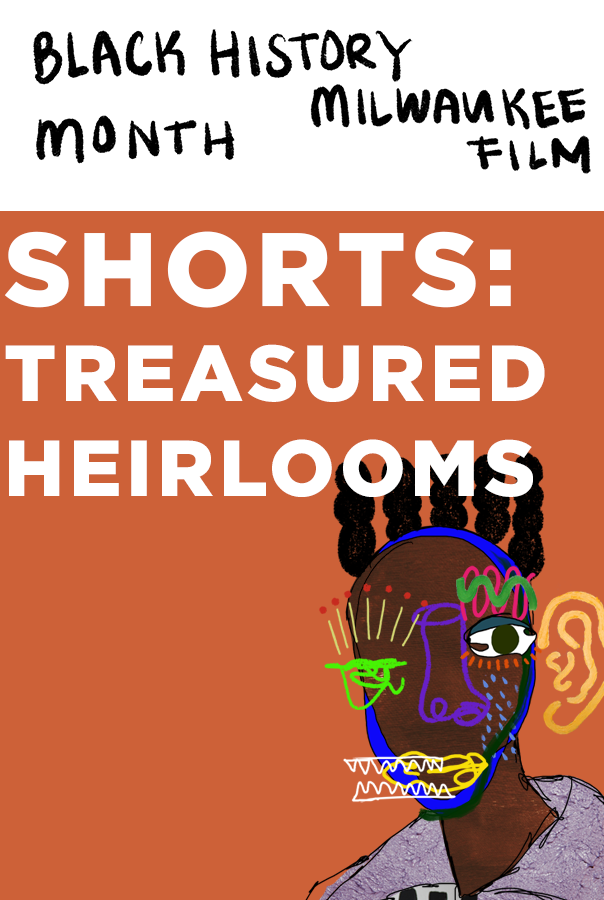
TREASURED HEIRLOOMS - Black Lens Shorts Program | 2/10/24  | SAT. 12:00PM

From the tingling sensation of the alcohol spray following a haircut to the quick-paced hand games of our youth that occupied us for hours, the essence of Blackness has continuously worked as a dynamic archive of rites of passage and traditions that hold a special place in defining who we are. "TREASURED HEIRLOOMS" is a short film program delving into how Black folks globally are actively engaged in preserving, archiving, and creating approaches to ensure the endurance of our cherished traditions. This reflective cinematic offering aims to encourage us to embrace our traditions intimately, connecting us with both our past and future selves. - Marquise Mays, Black Lens Programmer

Shorts: Treasured Heirlooms featuring:

WILD MAGNOLIAS Dir. Alexandra Kern

MORE THAN HAIR Dir. Fitch Jean

GLITTER AIN'T GOLD Dirs. Christian Nolan Jones and Dominick Cormier

QUILTED EDUCATION Dir. Kayla Robinson

OVER THE WALL Dir. Krystal Tingle

AMPE: LEAP INTO THE SKY, BLACK GIRL Dirs. Ife Oluwamuyide and Claudia Owusu

Learn more

The Mountaintop Legacy Award | Honoring Milwaukee Change-Makers

Art by Mikal Floyd-Pruitt

Milwaukee Chamber Theatre is thrilled to share with its community Pulitzer Prize-winner Katori Hall’s celebrated stage play THE MOUNTAINTOP, an inspiring reimagining of the final night of the life of legendary Civil Rights leader Dr. Martin Luther King, Jr. On April 3rd, 1968, after delivering one of his most memorable speeches, Dr. King retires to his room at the Lorraine Motel, where a mysterious stranger forces him to confront his destiny and legacy. A classic of the modern theater that in humanizing Dr. King suggests that we all have within us the power to be the change we wish to see in the world, THE MOUNTAINTOP will be directed by acclaimed Milwaukee theater artist Dimonte Henning. 

In keeping with its larger mission of bringing its community closer together while celebrating what makes Milwaukee great, and in partnership with CopyWrite Magazine, Dr. Martin Luther King, Jr. Community Center, and Zao MKE Church, MCT will highlight Black excellence in Milwaukee during the run of THE MOUNTAINTOP through the Mountaintop Legacy Award. MCT will recognize at each MOUNTAINTOP performance one Milwaukee difference-maker who exemplifies the ideals of unity, equity, and locally led movements highlighted by Dr. King in his final speech, commonly referred to as “The Mountaintop Speech.”

Mountaintop Legacy Award recipients will be selected by a panel of MCT artists and community partners from nominations by the public of individuals who best exemplify Dr. King’s ideals across sectors including but not limited to political, nonprofit, business, educational, art, and tech.  

MAKE A NOMINATION + LEARN MORE

[INFO PROVIDED BY /CW COMMUNITY PARTNERS AT MCT]

Happy Black History [everyday] Month from your /CW Fam!

History is made daily.

Active practice is true performance.

Advocacy should be ambitious.

Challenges should never stop progressive change.

We are Black.

We are proud.

& you know why it matters.

Happy Black History Month from your /CW Fam

SnapShot Press Release: Laughs in Spanish [Gallery Life Off The Wall]

Nobodies documenting the Telenovela that is gallery life. 

You know the pretentious acting curators, the thirsty for stardom gallery assistants, and the notably irrational and irresponsible artist who would prefer to be on some remote island with a stiff drink, conjuring inspiration for their next big thing.

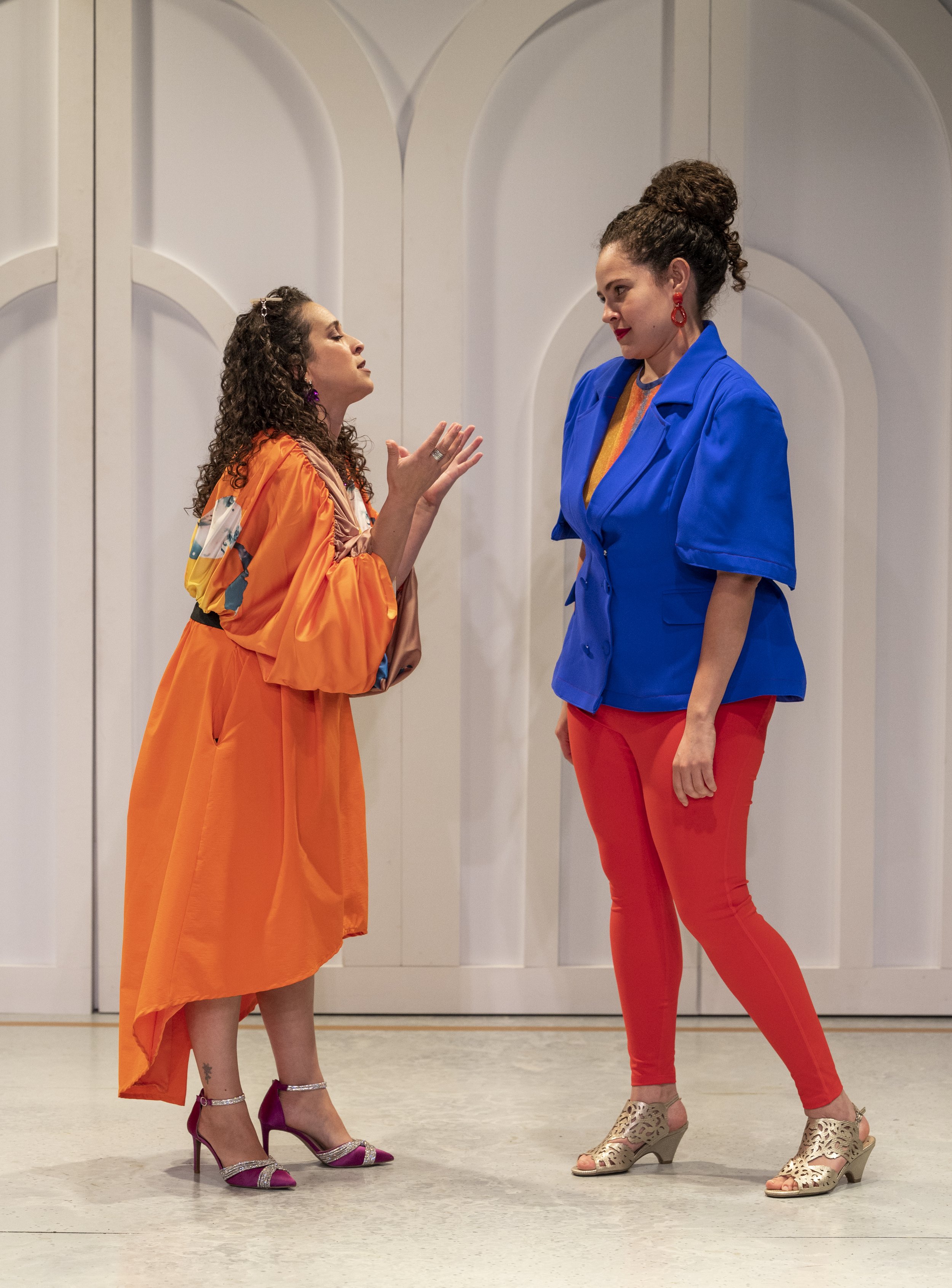
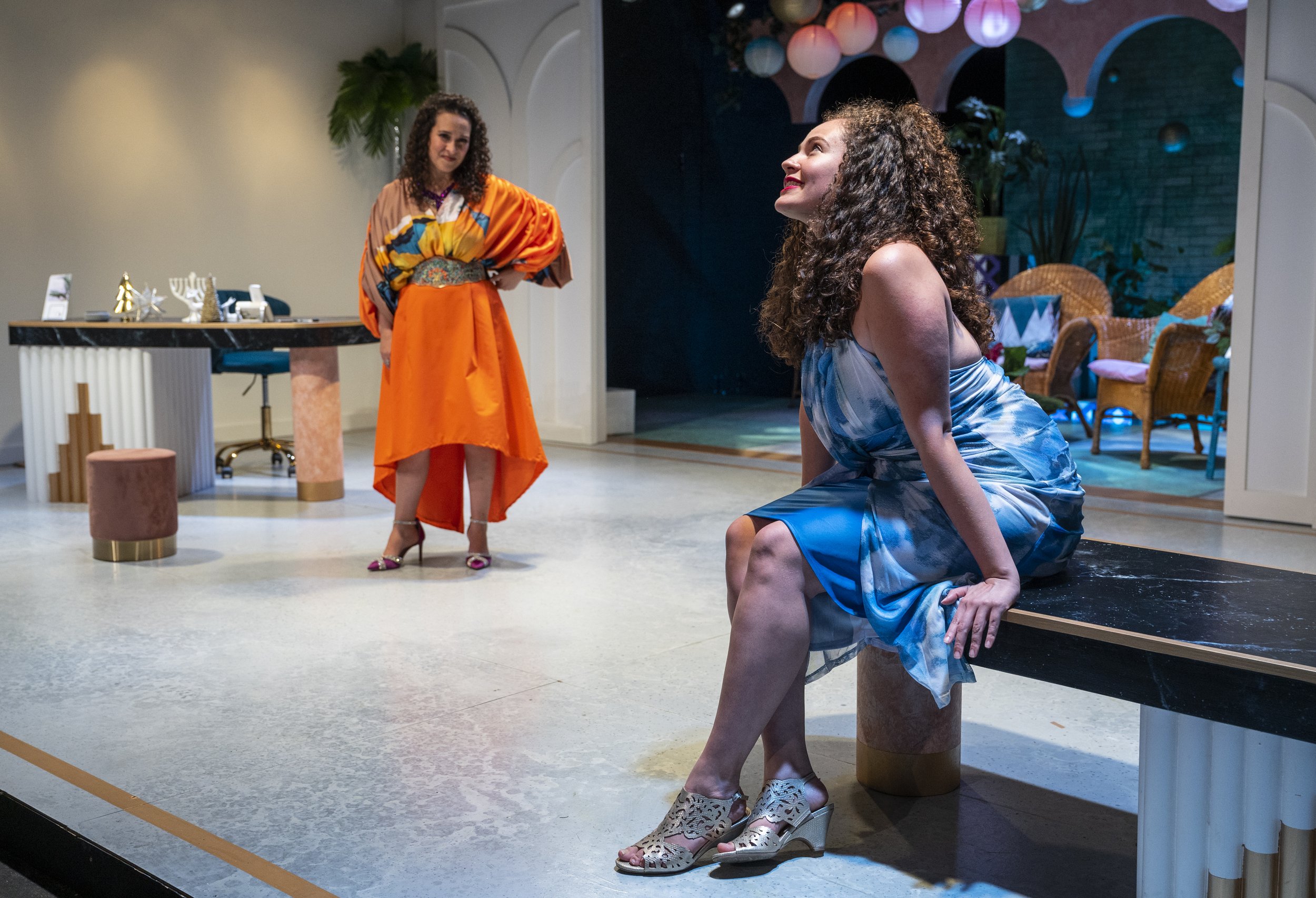
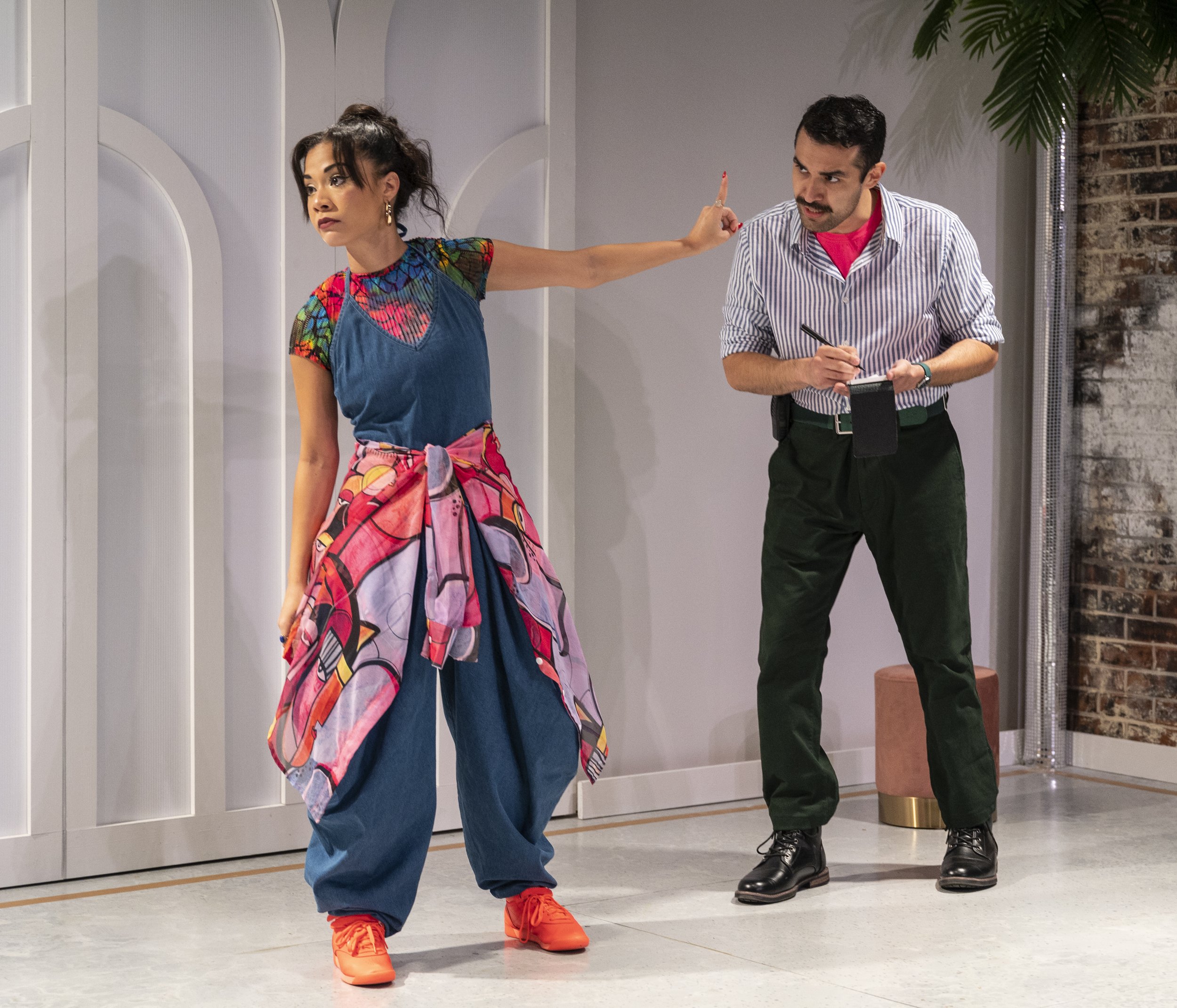
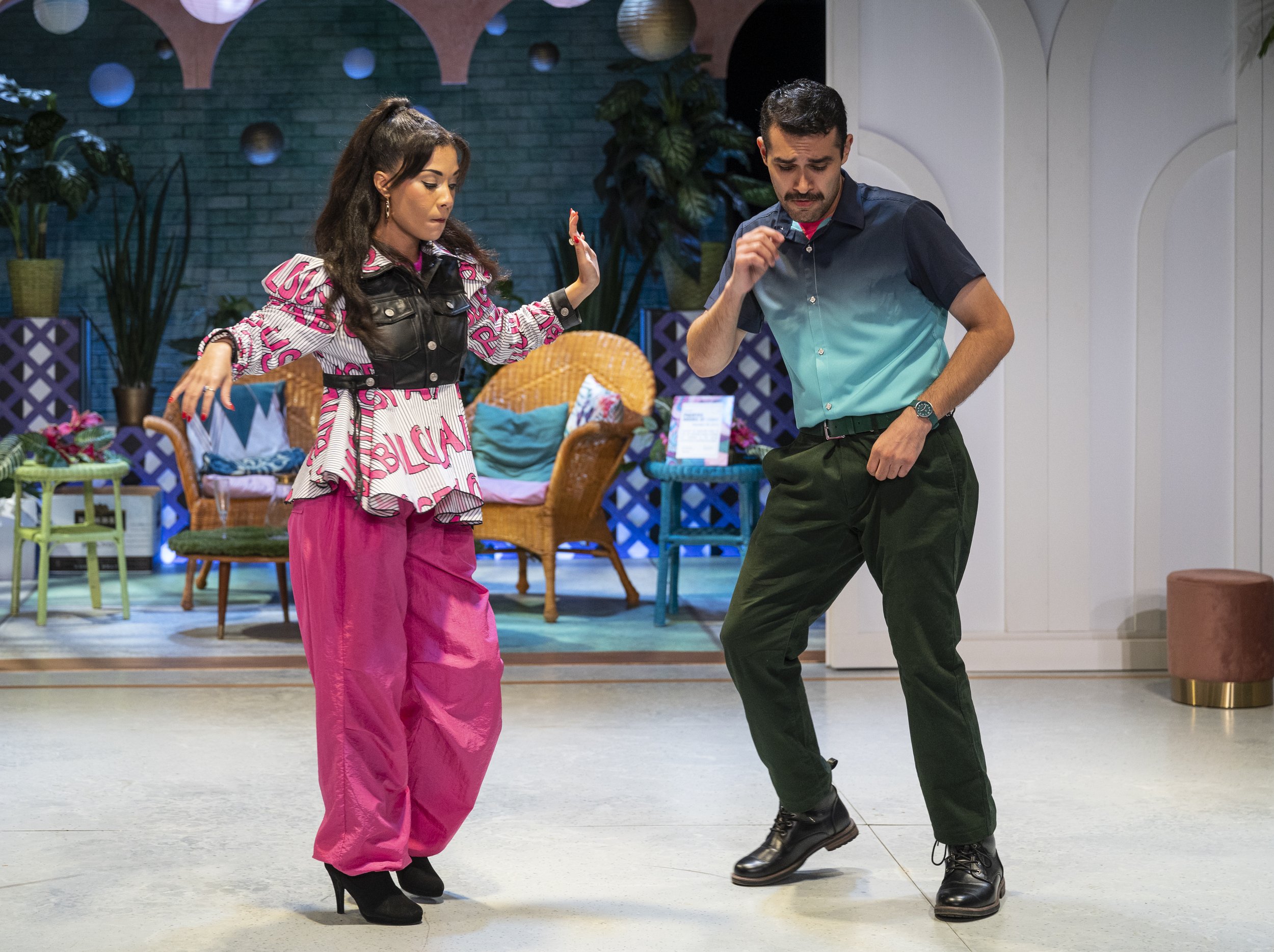
Ashley Oviedo, Isa Condo-Olvera, Jenna Bonofiglio, Arash Fakhrabadi, and Rána Roman [All Images provided by milwaukee chamber theater via Michael Brosilow]

Okay well maybe somebody is, but these idiosyncrasies void that this performance of art culture is an overtone of whiteness that fills gallery white walls, with white washed economics, and white narratives that are positioned to be “profound”. 

*Did she really just go there?*

Ohhhh, yes! I did!

The scene I just “painted” [See what I did there? Lol]  is one that can be drastically altered when considering how non-white bodies navigate these spaces. These bodies start to resemble people whose characteristics feel familiar, feel like friends, feel like family, and feel like voices I intimately knew existed but seldom get to hear.

Saturday's [September 23rd, 2023] opening night of Laughs In Spanish, by Alexis Scheer took me there. Giving the audience Miami realness with the complexities of the modern human experience including motherhood, divorce, pregnancy, abandonment issues, high off THC conversations, same-sex relationships, immigration, and a monologue by Rána Roman that had me totally reanalyzing my own journey into motherhood. Its scenic set design of gallery aesthetic with Miami glam by Em Allen, had my critical “interior designer by trade” mind fangirling on that vibey beach air balcony hidden behind those opaque white rolling walls. With DJ Palante giving the music vibes in the lobby, to a Latinx artist installation curated by Katie Avila Loughmiller, the tone was set before the show even began.  It truly brought me back to my last visit to Art Basel. [If you have never been, this play will inspire you to book that trip].

Labeled as a “crime comedy” [Yes, because stealing art from galleries is definitely a trope the world needs more of. Art is valuable, monetarily and culturally!] It cleverly uses its title as the punchline in an exchange of wisdom and remorse that is easy to share between strangers, when it should be saved for the people you love.  

How do you “laugh in Spanish”? 

¡JAJAJA! 

I died at the subtlety of that hilarious cultural exchange and felt warmth in knowing my upbringing had allowed me to understand [and have access] to the inside joke.

This again is a familiarity that Isa Condo-Olvera [Mariana] , Arash Fakhrabadi [Juan], Ashley Oviedo [Carolina], Rána Roman [Estella] and Jenna Bonofiglio [Jenny] provided by pulling at emotions through their characters that went beyond the surface.

Mariana reminded me of my mother; guarded and jaded by the world. But of course there is a reason why.

Juan was ready to risk it all for Carolina. [Love me like that or not at all] 

Jenny, is that voice of annoying reason that you really should listen to. [Don’t you hate it when they’re right?]

Carolina questioning her career for motherhood echoed by Estella’s choice to be ambitious to inspire her daughter but failing to hit the mark in Mariana's eyes is. . . me. 

Can I escape the narrative that a woman can’t do it all? Only time will tell.

Laughs In Spanish is a think piece. It’s “profound” without pretentiousness. It's relatable without stunting the growth and impact of Latinx culture. It is palatable because it is plausible. If you know you know and if you don’t, Alexa will understand you want to change the song the first time you ask. 

So if you need a little art in your life, consider looking away from the walls and feeling up a seat at the Milwaukee Chamber Theater.

Lexi S. Brunson for /CW

click here for more information on laughs in spanish

HYFIN Anti-Gala: Recap Video

They have messed around & made our Editor-in-Chief, Lexi, the cover photo to the HYFIN Anti-Gala Recap Video! Did make the event? Catch this “Connecting The Culture” Vibes!

Learn more about HYFIN and How you can support here

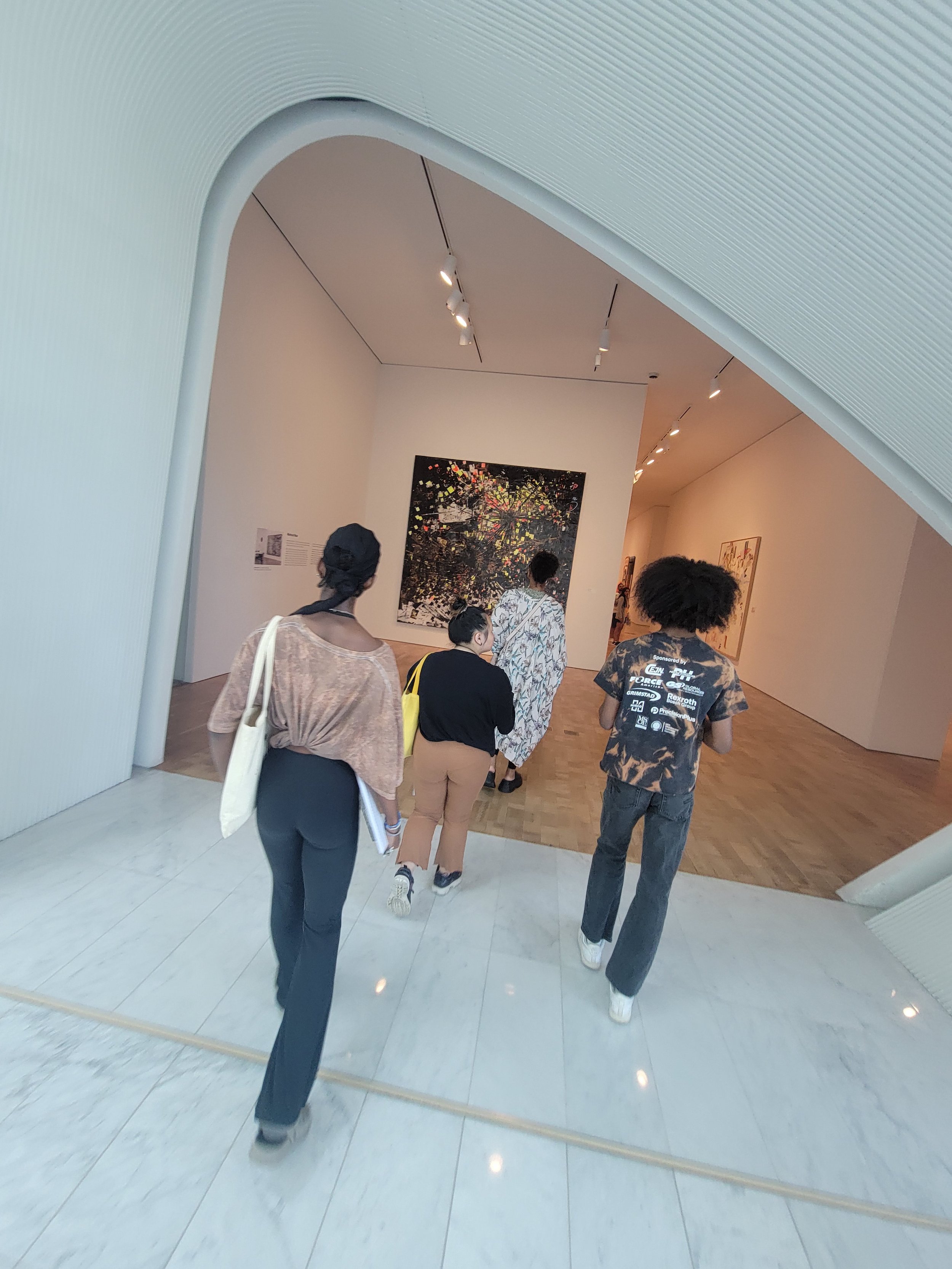
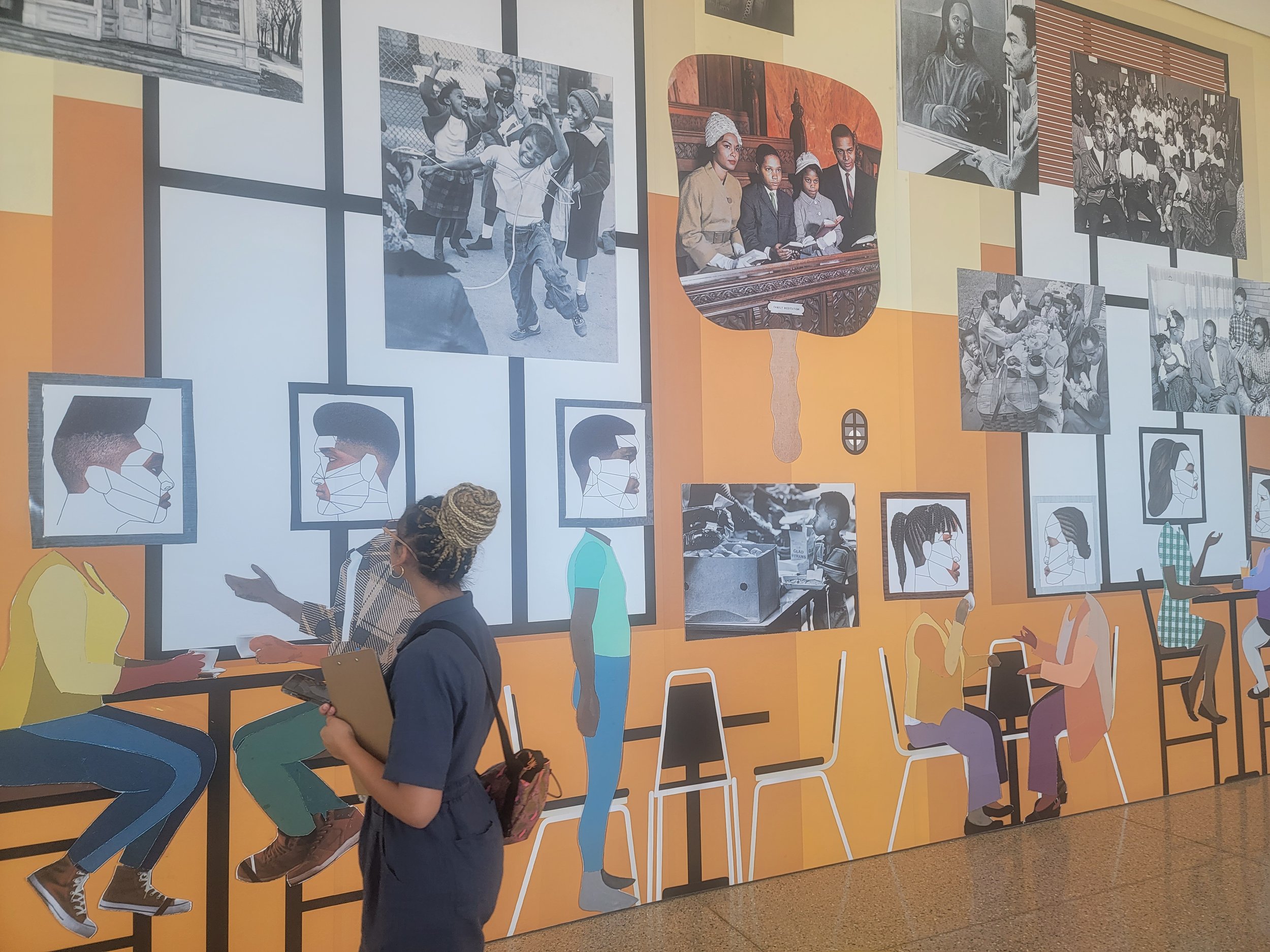
Juxtaposing perspecetives | An In The Field Reflection from /CW Summer 2023 Youth Interns

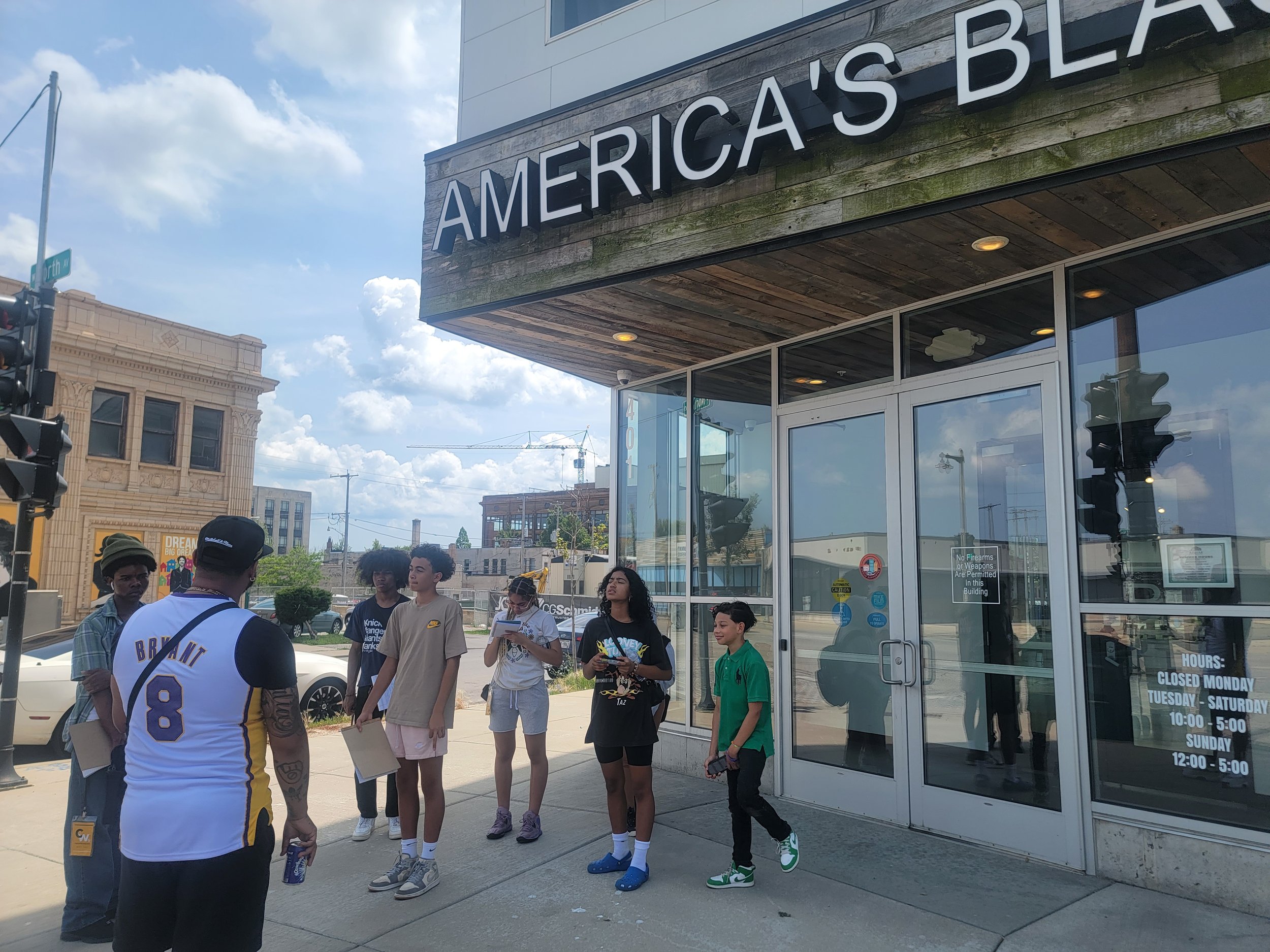
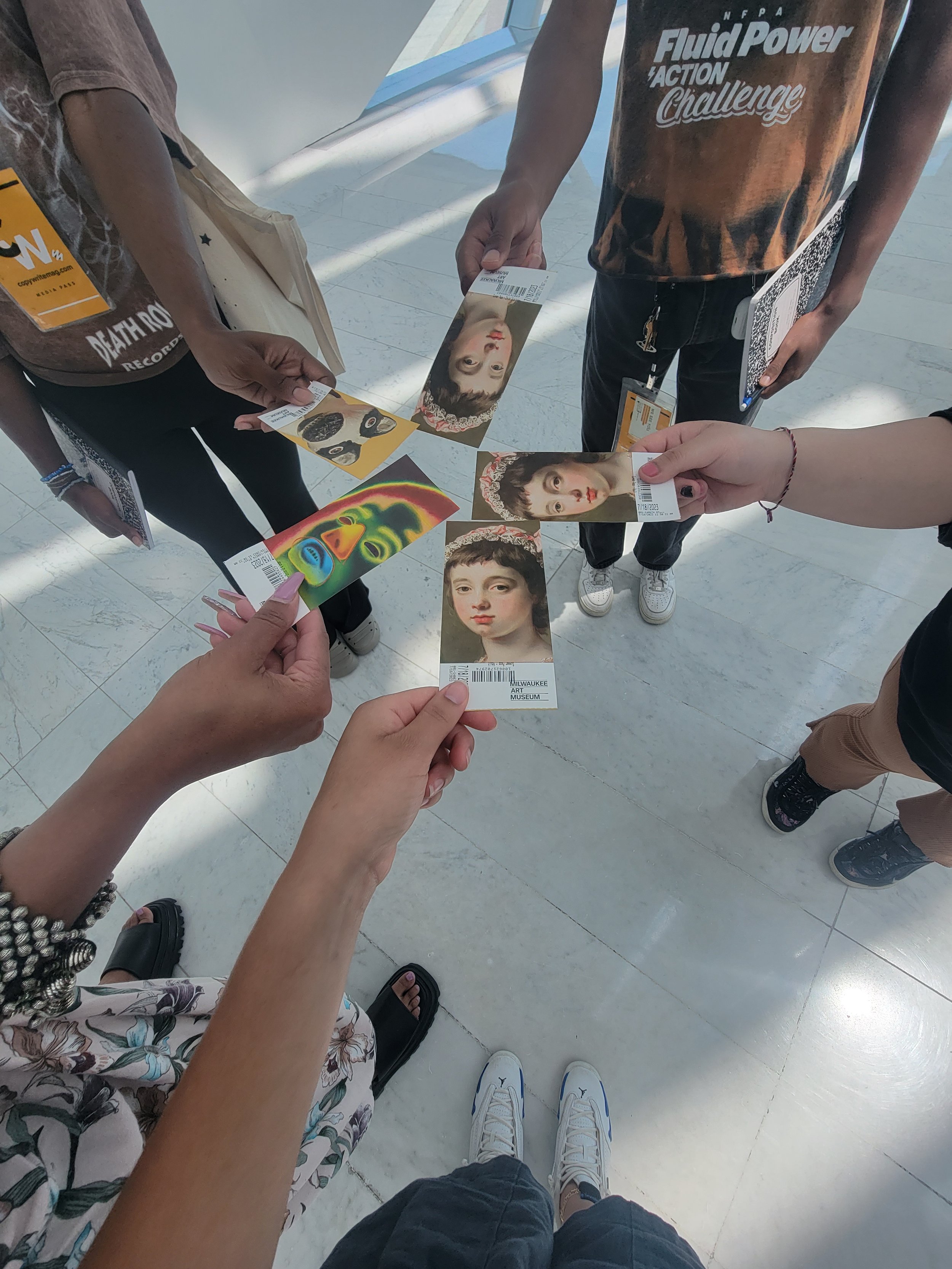
As many know, this summer CopyWrite Magazine with our partners Jazale’s Art Studio, hosted four Summer Youth Interns. Aligned with the authentic nature of both organizations' creative practices, we found it fitting to immerse our interns in “In the field” research that showed them the juxtaposing nature of our creative community. With a guided tour of the Bronzeville neighborhood and the Milwaukee Art Museum, each intern noted their perspectives of community, culture, and space. They wrote their perspectives in the format that best served them, also showing that communication varies depending on how you view the world. [Its the agency in methodology for us]. It should be a reminder to us all that archiving perspectives brings light to future questions. What are WE saying to the next generation and what will they say about us?


Cameron Barker | Reflection

Bronzeville

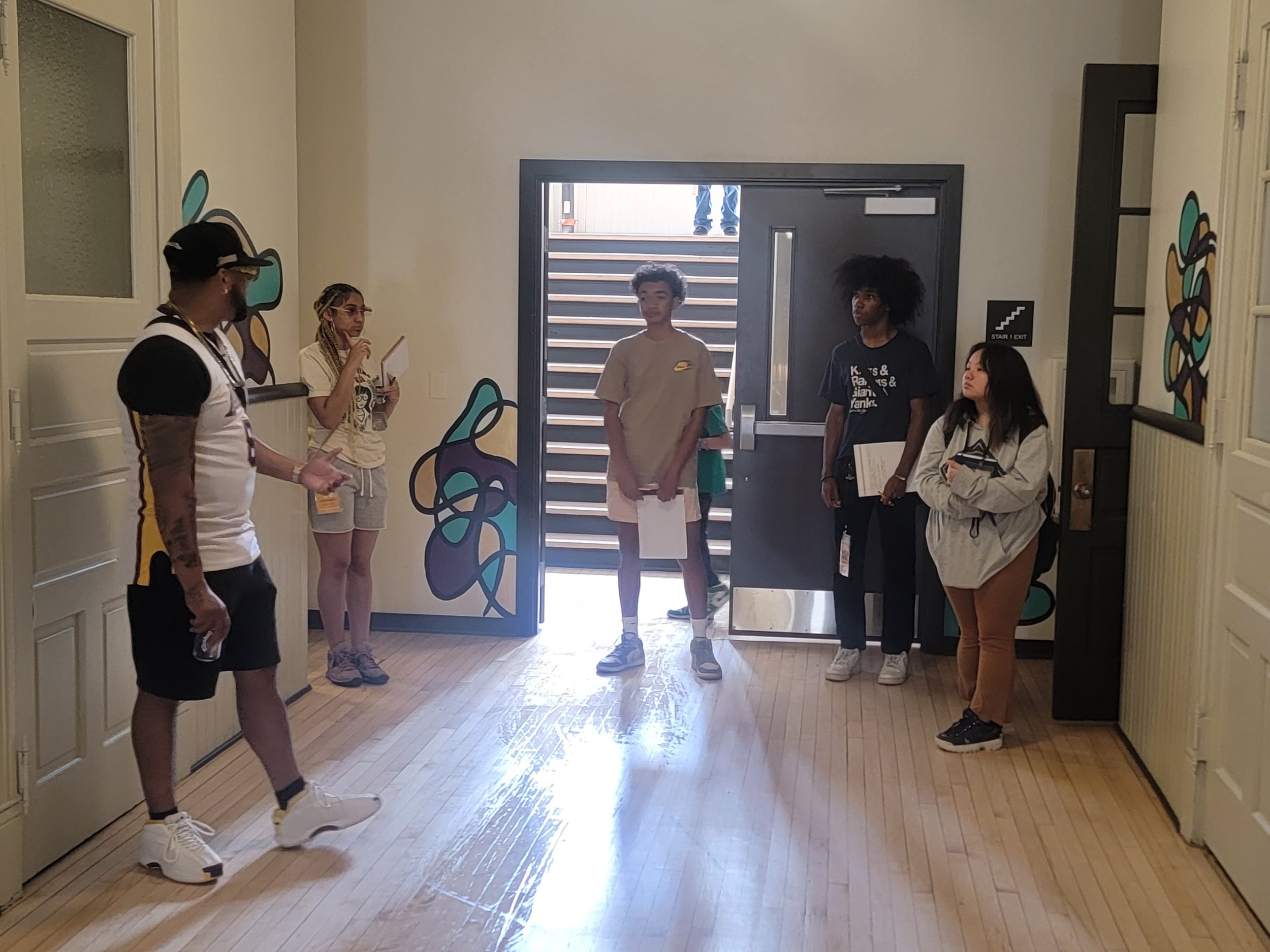
Walking through Bronzeville introduced me to a new perspective on art that is used when investigating what art is and who it is for. The installations in the Historic Garfield Apartments allow for people who typically can’t go to museums and displays to interact with and view art, and the style of art used allows for it to add to the space subtly without being overpowering. In addition, the preservation of the artwork done by the kids who went to the school before it was transformed, shines a light on the real history of buildings in the local environment. By preserving the artwork, it gives importance to the artists. Every kid that worked on that piece is at a much later stage in their life now, and for them to be able to look back at what they did and see that it was preserved also gives their past value, and further shows them the importance of having experiences like that in their childhood.

The development being done in the Bronzeville area is another thing that interested me on our walk. The initiative to build a high school for minority students in this community is an important push to further strengthen it and give kids better access to quality education, while also counteracting gentrification in the area. As these development projects become completed their is a high probability to displace people who already live in this area. If property taxes rise, and people simply can’t afford to live in the same place as they used to, then they’ll be forced out and people with more money than them will move in, renovate, and paint over the vital history of this area. Fortunately for the present residents, the people who want to come in and gentrify the area may be put off by the proximity to a high-school for minority students, which in itself is an interesting dynamic. Why do the people with the money to support and engage in development not want to be close to certain demographics? They’ll support from afar, but when they have to go to the communities and interact with the people who live in them, they are hesitant or unwilling.

Going to the Bronzeville Collective shows me the work that people in the community are putting in to maintain and support local entities. The store had a variety of products including candles, apparel, jewelry, and self-care products all of which are made by black, brown, and queer producers. Knowing that the money that I spent is going to someone who looks like me or lives in the same community as me, builds a stronger relationship between me as a consumer, and the designer or producer. Money isn’t everything, but one thing money is for certain is power. Money is the power to support a family, the power to protect a family, and the power, if in the wrong hands, can move families. The importance of knowing where money goes is so significant especially when supporting local businesses, because it’s much more likely that the money they receive goes directly back to the communities they are a part of. Local businesses bring money into communities and the money they bring in flows in a cycle throughout the community, strengthening it and moving it forward.

Milwaukee Art Museum

The Milwaukee Art Museum differs vastly in the way they display and interact with art when compared to people in the Bronzeville area, and the dynamic between the two paints a polarizing picture of how each entity perceives each other. The people who purchase and display art in museums base the worth of art on not only its visual appearance but also the context it was created in. They believe that beyond the surface, art can convey messages through the artists’ perspective, but also by analyzing what was happening during the time the art was being created. If an artist were to paint a beautiful flower during WWII, some appreciators of the art may claim it’s worth more because the content of the painting contrasts with the context of the time. While people who view art at the museum level may think about these intricacies of appreciating art, people in communities such as Bronzeville may not view art in the same light.

The worth of art is completely subjective, and to some, the value of a canvas with paint on it is more than that of a car, a house, or even a private jet. For the people who consume art at such a high level, the price of a piece in their eyes is completely justified, no matter the amount. On the other end of the spectrum, people who don’t go to the museum at all, and don’t care for art simply cannot see the value in the things that others would say are valuable. To them, ‘Summer Sentinel” by Anne Truitt is nothing more than two blue blocks put on top of one another, with their only value being in the material the artist used to make them. To not see the deeper meaning, if any, of the artwork is not the fault of the viewer. If the artist intended to convey a message, in some way shape, or form, then it must be able to be received by the ones who look upon their work.

The disconnect then is created when the people who believe they see the deeper meaning, and believe that they understand what the artist is trying to convey also believe that people who cannot see what they see are “below” them in some way. They blame the inability of others to perceive the value of art on their economic status, their education, or the color of their skin. In opposition, the people who do not care for artwork ridicule those who appreciate it, calling them delusional, only making up meaning for art so they can buy and sell it for a higher price. When money plays such a big role in determining how art is consumed and viewed, it becomes hard for each side to see where one other is coming from. Why should someone spend any amount of money to view art, when they can simply spend that money on anything else? And why should people try to show art to those who don’t go to museums, if they don’t understand it? Of course, generalizing doesn’t do either side any justice. Some people are more fortunate and do not place much value on art, and some people are less fortunate and greatly appreciate art. To break down these negative connotations, art should be more accessible to everyone. Sculptures should be in more places, architecture should be more expressive, and spaces should be designed with an artistic mindset.

Art is everywhere, but not always uncovered.


Nahsialis Vang | Reflection

Bronzeville

On Friday July 14th, we toured around the Bronzeville community. Looking around the area, you can tell that it is not well-established physically. Trash on the ground indicates littering and heavy on historical buildings, it becomes aware that it looks a little rusted. But through the exterior aspects of Bronzeville, we also got to experience the internal aspects of Bronzeville, art and community courtesy of Lexi and Vedale.

In the building shown as 18 Public Schools [now the Historic Garfield Apartments] within the Bronzeville community, it is actually filled with residents who live in the building. As we got to go inside the building, we explored the aspects of what makes the building. Externally, it is a historical building that was built in 1887 but the interior, it looks rather modernized even if the scent was similar to older wood and rustic metal.

As we got to explore more of the building, we got to learn more about the history and aspects of what makes it a community. The building was previously used for a school which you can tell by the layout of it. Going on the top of the building, you can see the artwork that was painted from a class in the 1990s that was restored in an area where locals can intermingle with one another in a gym turned community room. It is important to understand the community as “people who help salvage and curate it are just as important” (Lexi).

Art Museum

Establishment and community is just one of the many things that set apart the Milwaukee Art Museum and Bronzeville. This may also include the type of art that is in each place, the cost, which includes both the pieces and the admission fee, along with simply the “feel”. Understanding that there is a difference is simply the first step to realizing, the audience is targeted differently.

When first walking into the Art Museum, there you can tell the establishment is well put together and relatively neat. Before actually entering into the art museum, water was forbidden as it could potentially be a hazard to the artwork that was in there. This specific establishment was designed for us to continuously walk around and just indulge in the many art pieces that are within. It is not relatively loud so you can hear the footsteps everyone takes while roaming.

With each footstep and pivot you take, you can see the different artworks that would not necessarily be in a place like Bronzeville, or connecting a community and showcasing what community is. Just looking at who owns a collection, you can tell the expensive taste that is homed into the Milwaukee Art Museum. With a simple name like the Bradley Collection, you can tell how expensive it is as the many known places like the Bradley Center and the Bradley Foundation are linked to that family. Noting expenses, a simple portrait of a woman “was acquired for about $3.5 million, according to museum sources” (Schumacher). The piece is called Alice Hooper by John Singleton Copely which was created in 1763.

Although there are many differences between these two places, one thing in common is simply, art. Finding art anywhere allows the “little C culture” (Lexi) to be showcased anywhere. It allows the ideas of art to be intersectional, interracial, and international which allows all people to be inspired by what they see. Art is everywhere and can inspire audience.

Works Cited:

MAM makes largest acquisition in its history by Mary Louise Schumacher of the Journal Sentinel - September 12, 2011

https://archive.jsonline.com/blogs/entertainment/129672823.html


Frederick Calhoun | Reflection

When touring the Bronzeville neighborhood and the Milwaukee Art Museum, I noticed different things throughout each. Bronzeville was more of a “hood” beauty, while being at MAM was more on what I think a white resident would want to experience. Even with that said, I learned about finding beauty in different spaces.

Now, I’ve always found the “hood” to be perfect in many ways ; but every time I see something being built up from nothing. It makes me happy to be situated and living.

Bronzeville is an area in Milwaukee that is usually looked over when tourists visit. It has hidden beauty throughout it. The corner stores, the beauty supply stores, and the Black owned businesses bring joy to my face as I noted down each one on our walk. The development in the area seems to be focused on Black identity too. This includes America's Black Holocaust Museum’ and The Bronzeville Collective, along with a collection of academic placements being built. Creativity is often overlooked here, because of the location, but I feel as though a lot of people should take their time and find beauty! Now, I’ve always found the “hood” to be perfect in many ways; but as I see so many things being built up from nothing here, it makes me happy to be living in this time off growth and change.

The Milwaukee Art Museum area [by the lake] was great, but it made me feel a bit loose being inside the space. It was more of a white space [physically & racially] than anything. To be completely honest; there were limited art pieces by people of color or Black people in general. Some of the work that stood out for me discussed the hardship of the Black experience and not the joy [which was already a strike for me]. However, the Derrick Adams exhibit, Our Time Together, did show the essence of Black joy rooted in community, people, and neghboor-“hoods”, just like Bronzeville.

So to compare Bronzeville to the Milwaukee Art Museum there's absolutely one that is more enticing to me. Being more open to Black culture, seeing a lot of people “doing their big one” by focusing on enhancing their careers and wealth, seeing how art lives here without pre determined boundaries, Bronzeville is more my speed.

Finalizing my thoughts, this was one of the best experiences ever. It of course was not my first time visiting Bronzeville or my favorite spot on the walk, The Bronzeville Collective, but every time I visit it's even more breathtaking. That community & lifestyle just speaks to me!


Jazale Hill | Reflection

Outside Vs. In

You never know what a house looks like until you walk through the door. There are structures I drive or walk past daily and imagine what it might look like inside. Although most don’t think of a home as art or their neighborhood as creative, it is. The way many buildings are placed with grass in front, the side, the color, the shape, it is all art. It took creativity for someone to build your neighborhood, giving many a sight to see instead of just looking at cars driving, garbage on the roads, or civilians walking. A house is not just a HOUSE. IT IS ART.

The house I live in is art, LITERALLY. Vedale Hill, and partners at HomeWorks: Bronzeville plan to expand our neighborhood in Bronzeville. They hope it can be a legacy that changes - the community. 2408 N Vel R Phillips ave, a new legacy. The inside is a beauty but how the house looked 2 years ago when first purchased was not as appealing. Many would not think there's a balcony looking down from a mezzanine to the lower level, or that a huge chandelier is hanging in the middle of the gallery space with edison bulbs all over. This is because this house is not located in a neighborhood many would imagine a luxury house to be in. The Bronzeville area is known for many successful black owned businesses, as well as the poverty surrounding it due to inequitable policies. That is why many, but NOT ENOUGH of localists are planning to redevelop our neighborhood inside and out, while trying to offset the gentrification that is already happening. Meaning, not only will you notice changes physically upon buildings but in people as well, attempting to lower crime rate and stupidity spurring around, helping those in need, and expanding knowledge.

Around the city of Milwaukee there has been construction everywhere! Making it tricky for many to get to point A and B but these new additions and redevelopment in historical buildings such as ThriveOn King which will be located at 2153 N. Dr. Martin Luther King Jr. Drive and the Milwaukee Public Museum soon to be located in the Haymarket neighborhood on 6th and McKinley. Those two and many others are the start of sculpting a new future for many.

2408 N Vel R Phillips Ave, also known as the house on 4th and Meineke, is a Legacy building in my eyes. July 15th, 2023 was a day of celebration because one house got demolished of the three buildings on the property. It is the most expensive show I will ever see [costing $50,000 to demolish due to a faulty foundation], the most genuine show I will ever see, and the most impactful show I will ever see. It was a day of freshness and renewell, because Vedale Hill, my father, will start and continue to build his legacy of ART for his community and family.

“Come Out And Show Them”

July 18th, 2023 Jazale’s Art Studio and Summer interns of Copywrite Magazine took a trip to the Milwaukee Art Museum to make a comparison of the Bronzeville neighborhood and soak in the art displays.

Glenn Ligon’s (2015) “Come Out and Show Them”, is an art piece that “ visually echoes” Steve Reich’s song (1972) “ Come Out” inspired by a trial of two men, wrongfully accused in Harlem during spring of 1964. Wallace Baker and Daniel Hamm at just the age 18, were tried and brutally beaten by 6 to 12 officers. In custody; they were then taken to a nearby hospital for treatment. Because Hamm was severely bruised but not bleeding the cops weren’t going to acknowledge the need for any treatment for Hamm. So, in order to get treatment he had to show proof and he said “ I had to, like, open the bruise up and let some of the bruise blood come out to show them.” [My research says].

This then became symbolism against police brutality, and inspiration for Steve Reich’s song, that then became inspiration for Glenn Ligon “large black-and-white silkscreen paintings” that is covered edge to edge with the phrase “come out to show them”. A part of this collection is displayed in the Milwaukee Art Museum, which is where I was visually drawn to. Then, I read the description and it hit me, “that’s deep.”

“Come out and show them,” was very inspirational to me; the way the colors of black and white flowed, walking along the words becoming visible. It turned out not to be just words, it's meaningful to Black society, and it made me think of not only the story of Wallace Baker and Daniel Hamm but others who were victims of police brutality. The physical appearance of this art piece is an aesthetic of Black culture with a mixture of layers visible to the eye. Then the mental aspect of this piece is a far deeper story of inspiration and Black reality.

The Outside vs. Inside will forever be a barrier to many. Once you meet the physical you just have a moderate understanding, but when you meet the mental you have a new world of appreciate, that can inspire many. Art is one of the many ways that a human mind can be reshaped whether it’s expanding or introducing new information. Glenn Ligon’s “Come Out And Show Them,” introduced new information and broadened my imagination. I was able to see an example of art that was inspired by music which I have never seen before. I was also interested in the story of Wallace Baker and Daniel Hamm which is an important aspect of history I enjoy learning about.

Sources:

Beta, Andy. “Blood and Echoes: The Story of Come out, Steve Reich’s Civil Rights Era Masterpiece.” Pitchfork, 28 Apr. 2016, pitchfork.com/features/article/9886-blood-and-echoes-the-story-of-come-out-steve-reichs-civil-rights-era-masterpiece/.

Tani, Ellen Y. “‘come out to Show Them’: Speech and Ambivalence in the Work of Steve Reich and Glenn Ligon.” Art Journal Open, 21 July 2020, artjournal.collegeart.org/?p=13202.

Click here to learn more about our summer 2023 youth interns